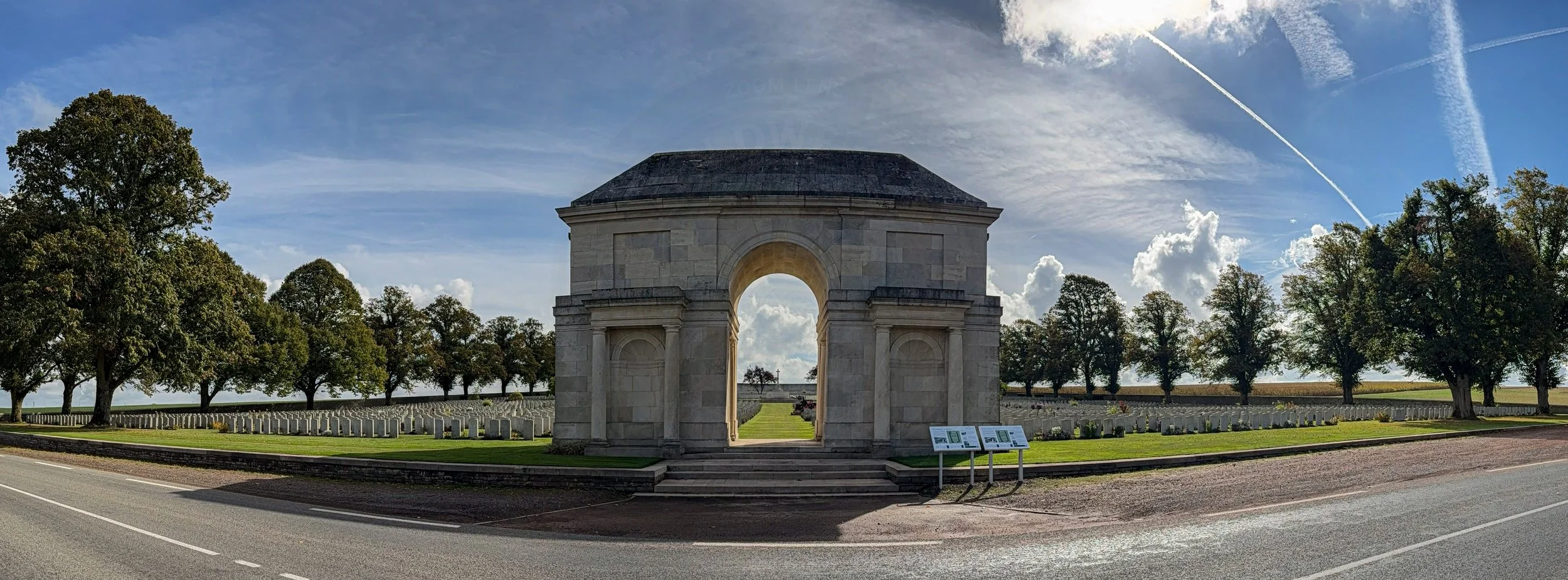
France holds thousands of memorials dedicated to the soldiers who fell or went missing during devastating conflicts, especially the First and Second World Wars. These monuments range from tiny cemeteries to massive international landmarks stretching across former battlefields, remembering more than 200,000 World War One Commonwealth casualties of the Great War who remain missing in France.
The Thiepval Memorial to the Missing of the Somme is one of the most famous war memorials in the world. Designed by Sir Edwin Lutyens it was unveiled in 1932 and commemorates more than 72,000 Officers and men of the British and South African armies who died in the region and who have no known grave. The men commemorated here died during the Battle of the Somme. The battle lasted from 1 July 1916 to November of that year and cost an incredible number of lives. The opening day of the battle is the worst in British military history, such was the sheer number of deaths. The memorial was built on Thiepval ridge, overlooking the battle field, and acts as a joint Anglo French memorial in recognition of the alliance between the two nations on the Western Front and the rest of the war.
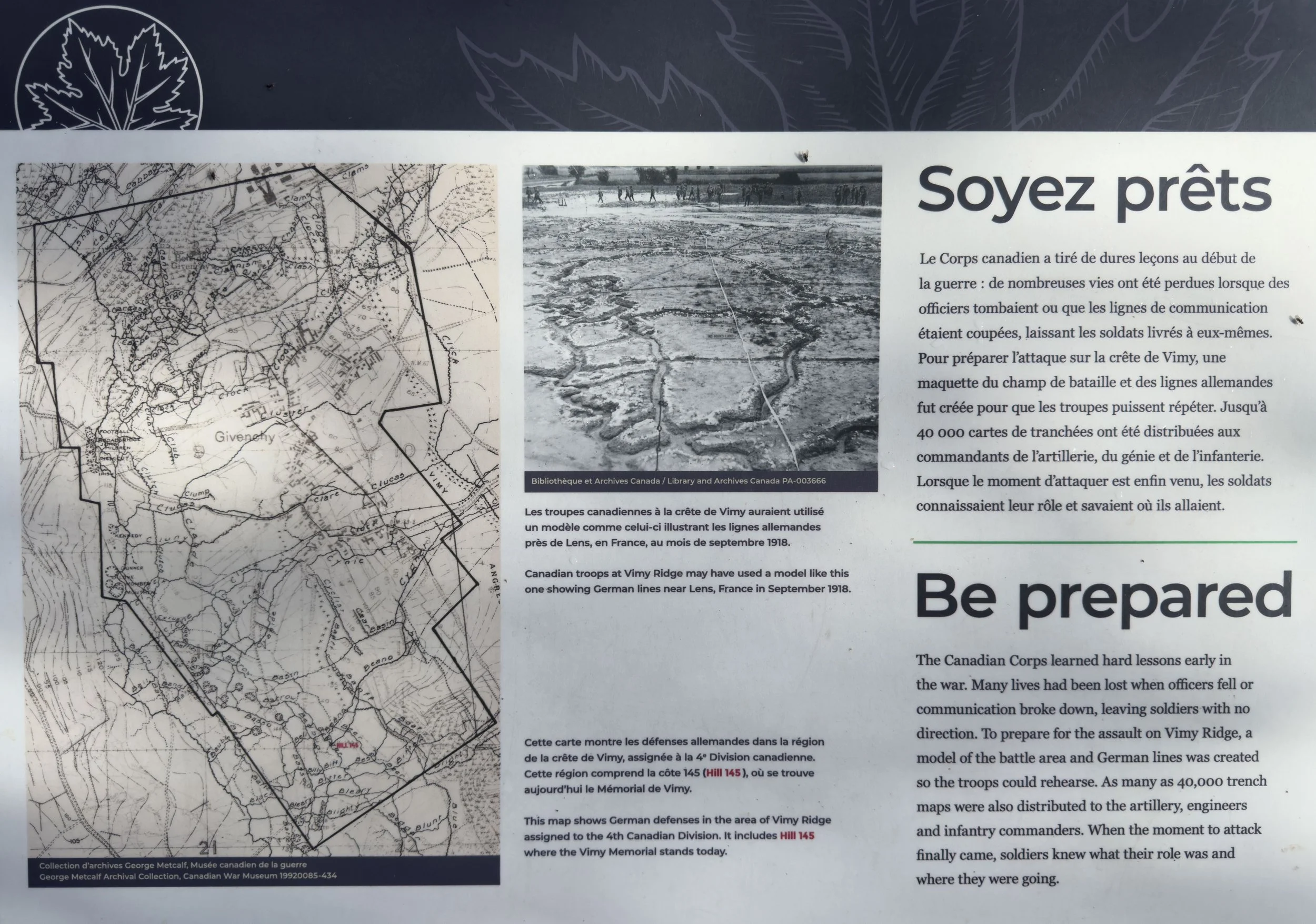
The Canadian National Vimy Monument stands atop Vimy Ridge, the site of one of the most famous Canadian actions of the war. The ridge was chosen as the location of a memorial to the more than 11,000 Canadians that fought in the battle for the ridge and in battles in the surrounding area, but also stands as a national memorial to the more than 60,000 Canadians who lost their lives during the war. Twin pillars rise from a stone base, adorned with statues and carvings, such as the maple leaf and fleur-de-lis which decorate the pillars and represent the unity and sacrifice of both Canada and France.
Beaumont-Hamel (Newfoundland) Memorial. While the opening day of the Battle of the Somme is recognised as one of the worst in British Military history, it was also devastating for the Newfoundland Regiment. The Newfoundlanders were part of the advance near the village of Beaumont-Hamel. 800 men strong, the Newfoundland regiment advanced onto the battlefield and attempted to cross no-mans-land, walking into withering German fire. The following morning, only 68 Newfoundlanders were available for roll call the following morning. More than 700 had been killed, wounded or were missing. The memorial includes a bronze caribou, standing sentinel on a rocky outcrop overlooking the battlefield. It lists the names of 800 servicemen of Newfoundland who have no known graves, including some 220 members of the Newfoundland Royal Naval Reserve and Mercantile Marine lost at sea.
Seere Road Cemetery No2 faces the British lines of 1 July 1916 and close to a key objective of the Battle of the Somme: the fortified German strongpoint known as the Heidenkopf, or the Quadrilateral because of its angular shape. The cemetery was established in May 1917 by men of the British V Corps as they cleared and buried those killed in the fighting between July and November 1916. The Allies finally captured the Quadrilateral in November at heavy cost. Plots I and II formed the original cemetery and remain visibly out of pattern with the later graves; both lie just beyond the Stone of Remembrance. Most of the remaining burials were brought here after the war from surrounding battlefields for reinterment in an official Commonwealth War Graves Commission cemetery, which was completed in 1934. Serre Road Cemetery No.2 contains 7,127 burials, including 4,944 unidentified casualties, making it one of the region’s largest CWGC cemeteries. Those buried here include Australians, Canadians, New Zealanders, South Africans and 13 Germans, only one of whom is named. The youngest soldier is Private Arthur MacDonald Purkiss of the Royal Welch Fusiliers, who was 16 when he was killed at Ginchy; the eldest is Drummer Harry Jukes of the Dorsets, who was killed near the Leipzig Redoubt aged 48.
The Lochnagar Crater was formed by one of 19 mines laid beneath the German lines from the British sector of the Somme front to support the infantry advance on the first day of the Battle of the Somme. Named after “Lochnagar Street,” the British trench from which the work began, the mine was constructed by the Tunnelling Companies of the Royal Engineers. They sank a shaft about 90 feet into the chalk, excavated roughly 300 yards towards the German lines, and placed 60,000 lb (27 tons) of ammonal explosive in two large underground chambers 60 feet apart. The objective was to destroy the formidable German strongpoint known as “Schwaben Höhe” (Swabian Heights), south of La Boisselle in the Somme département. At 7.28 a.m. on Saturday, 1 July 1916, two minutes before the attack began the mine exploded, creating the crater that remains today, approximately 70 ft (21 m) deep and 330 ft (100 m) wide. Debris was thrown almost a mile into the air. The chambers had been deliberately overcharged so that the blast would both break the surface and create a surrounding lip of spoil about 15 ft high, offering advancing British troops protection from enfilade machine-gun fire from La Boisselle. British troops captured and held the crater, although attacks on either flank were defeated by German small-arms and artillery fire, except on the extreme right flank and in the area between La Boisselle and the Lochnagar Crater.
The Bayeux War Cemetery is France’s largest Commonwealth military cemetery of the Second World War. Established in July 1944 following the liberation of Bayeux, it contains 4,648 burials, mainly of service personnel who died in nearby field hospitals or during the wider Normandy campaign. Those buried here are primarily British and Commonwealth personnel, including service members from the United Kingdom, Canada, Australia, New Zealand and South Africa, alongside 466 Germans and individuals from several other European nations. Directly opposite, the Bayeux Memorial bears the names of more than 1,800 Commonwealth service personnel who died during Operation Overlord and have no known grave.
Péronne Road Cemetery was originally known as Maricourt Military Cemetery No. 3, and was established by fighting units and field ambulances during the Battles of the Somme and remained in use until August 1917. At the outset of the Battles of the Somme in 1916, the cemetery stood near the junction of the British and French forces and only a short distance from the front line. It was lost during the German advance in March 1918 and recaptured at the end of the following August. A small number of graves were added later in the war but by the Armistice, it contained 175 graves, which now make up almost the whole of Plot I. After the Armistice, the cemetery was completed by bringing in graves from nearby battlefields and several smaller burial grounds.
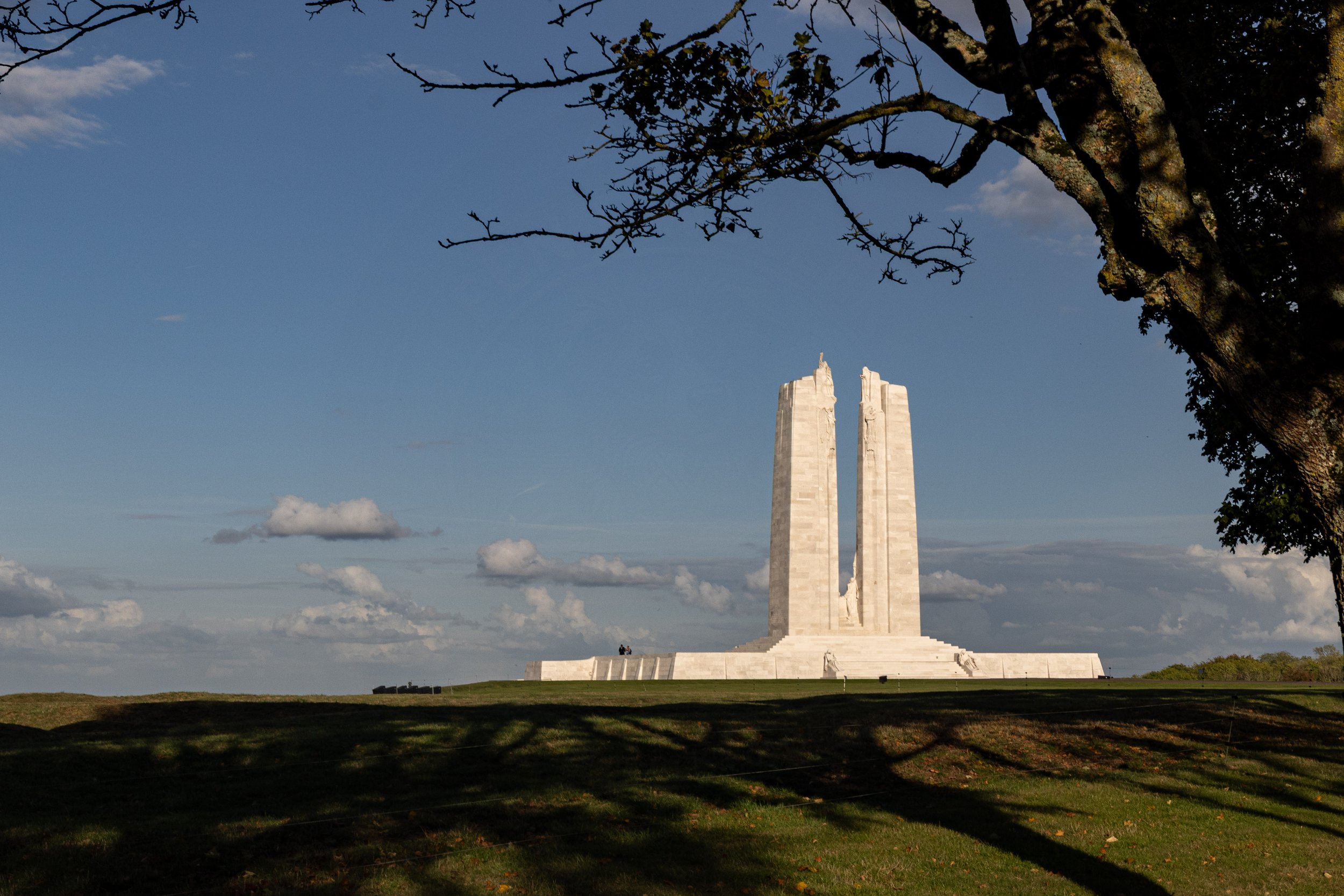
The Vimy Ridge Memorial
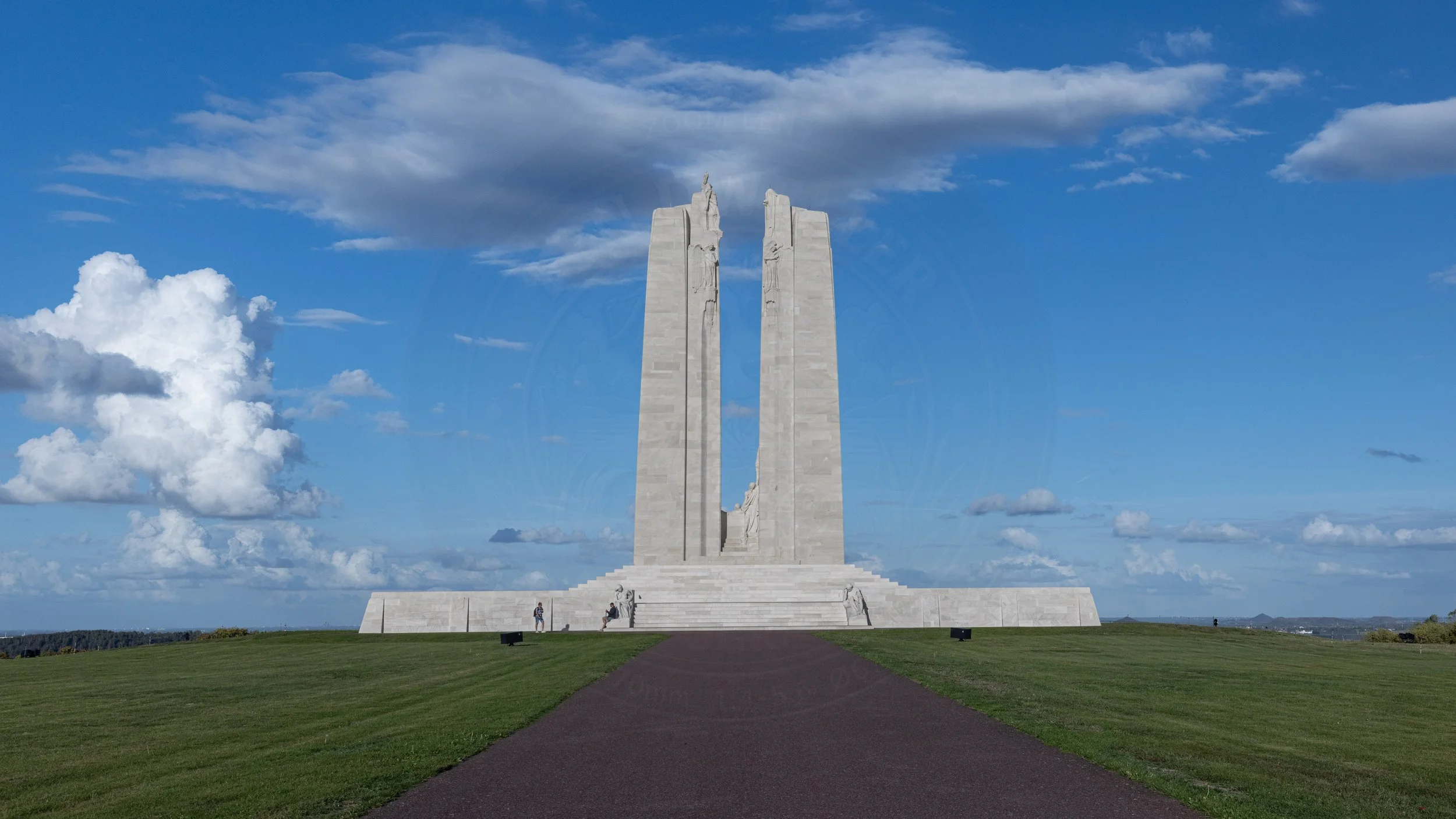
The Vimy Ridge Memorial
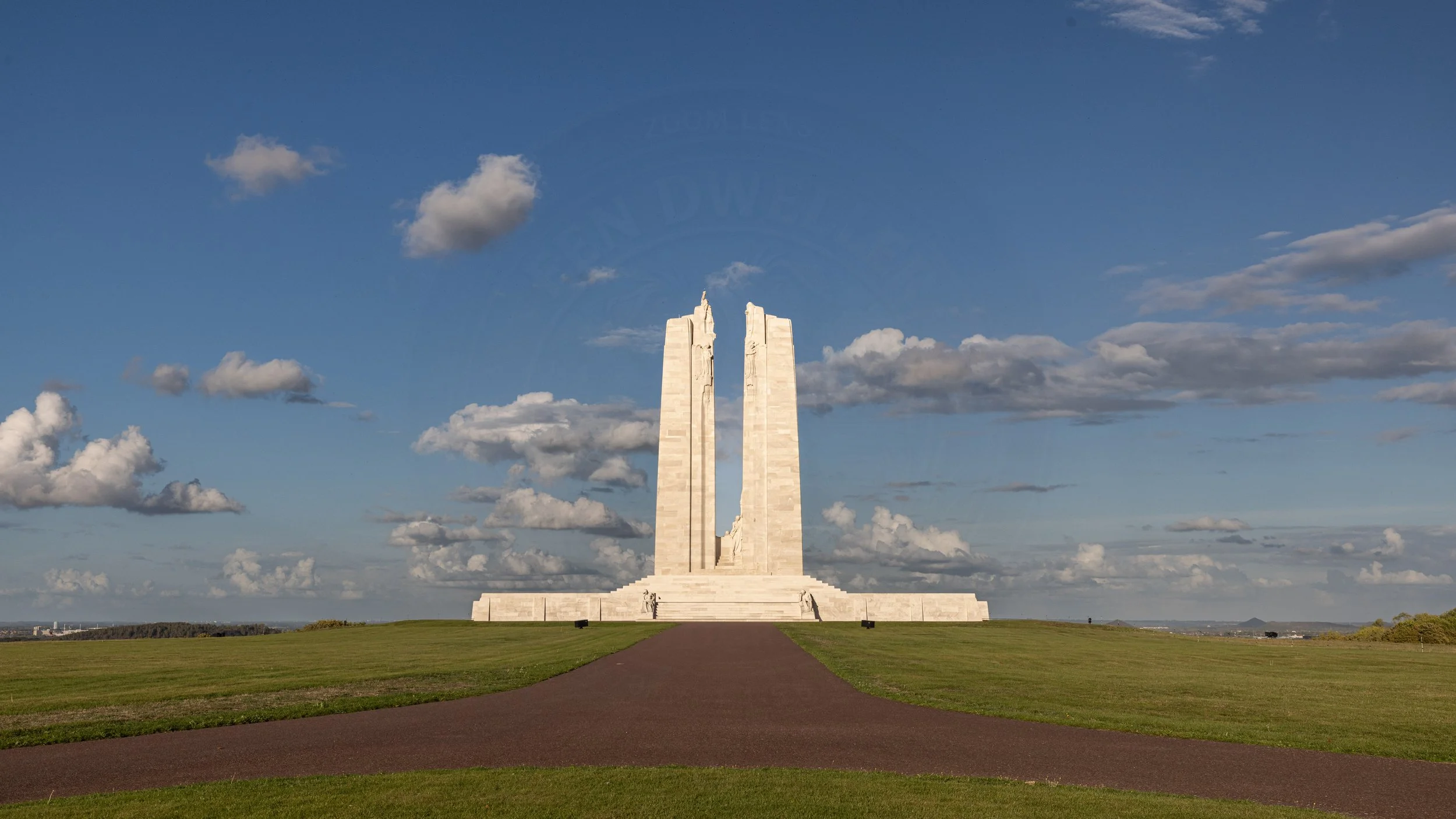
The Vimy Ridge Memorial
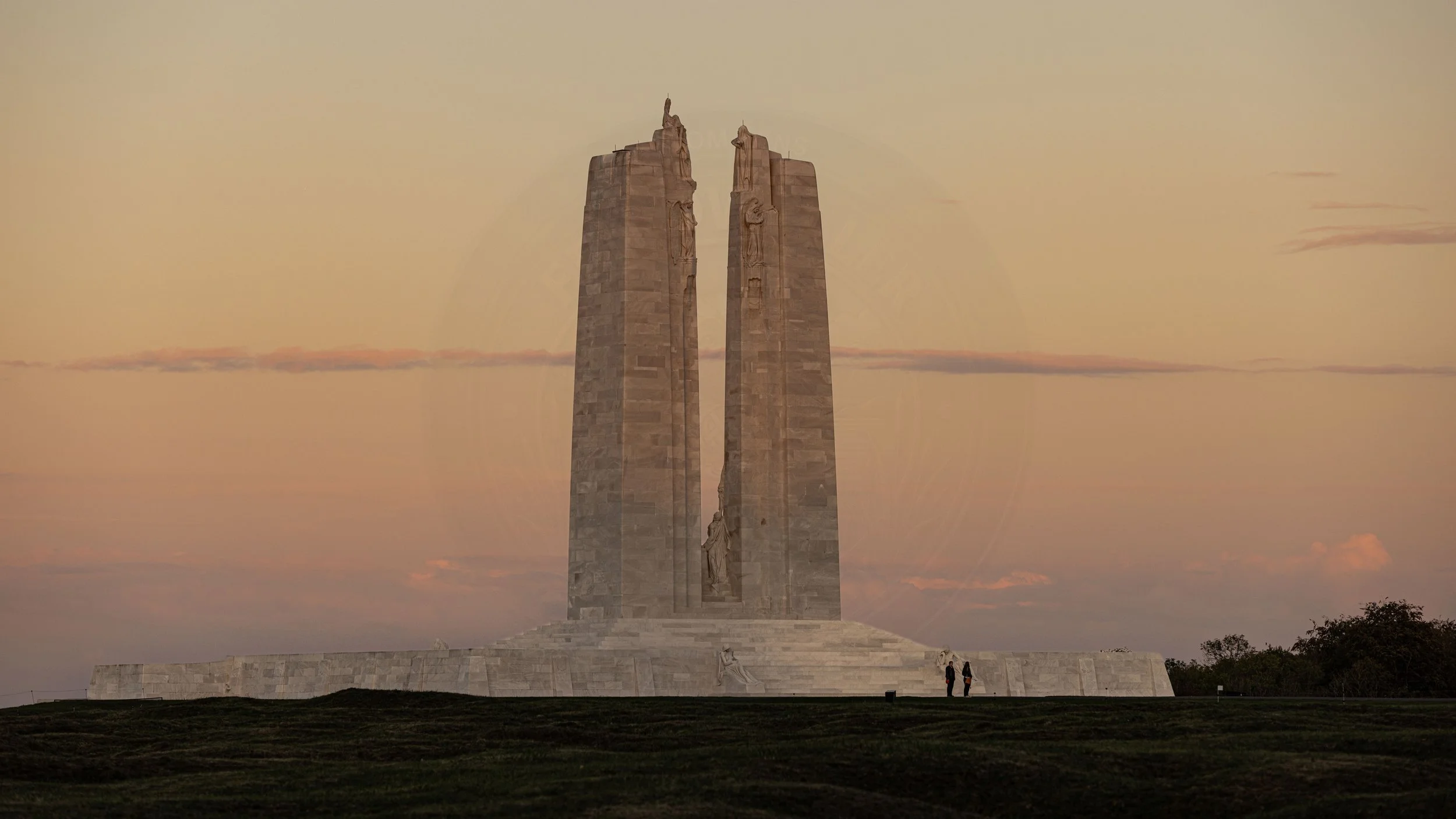
The Vimy Ridge Memorial
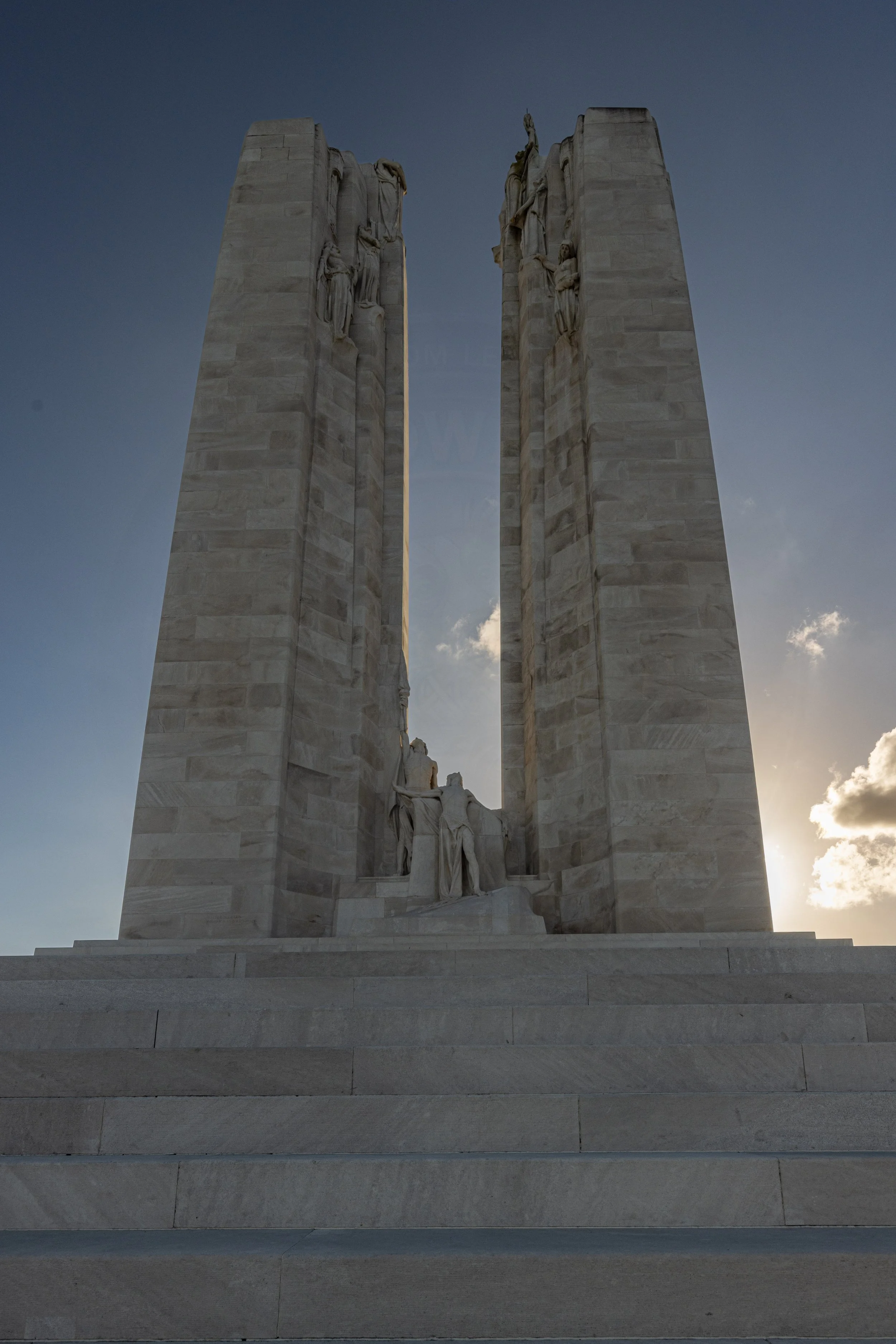
The Vimy Ridge Memorial
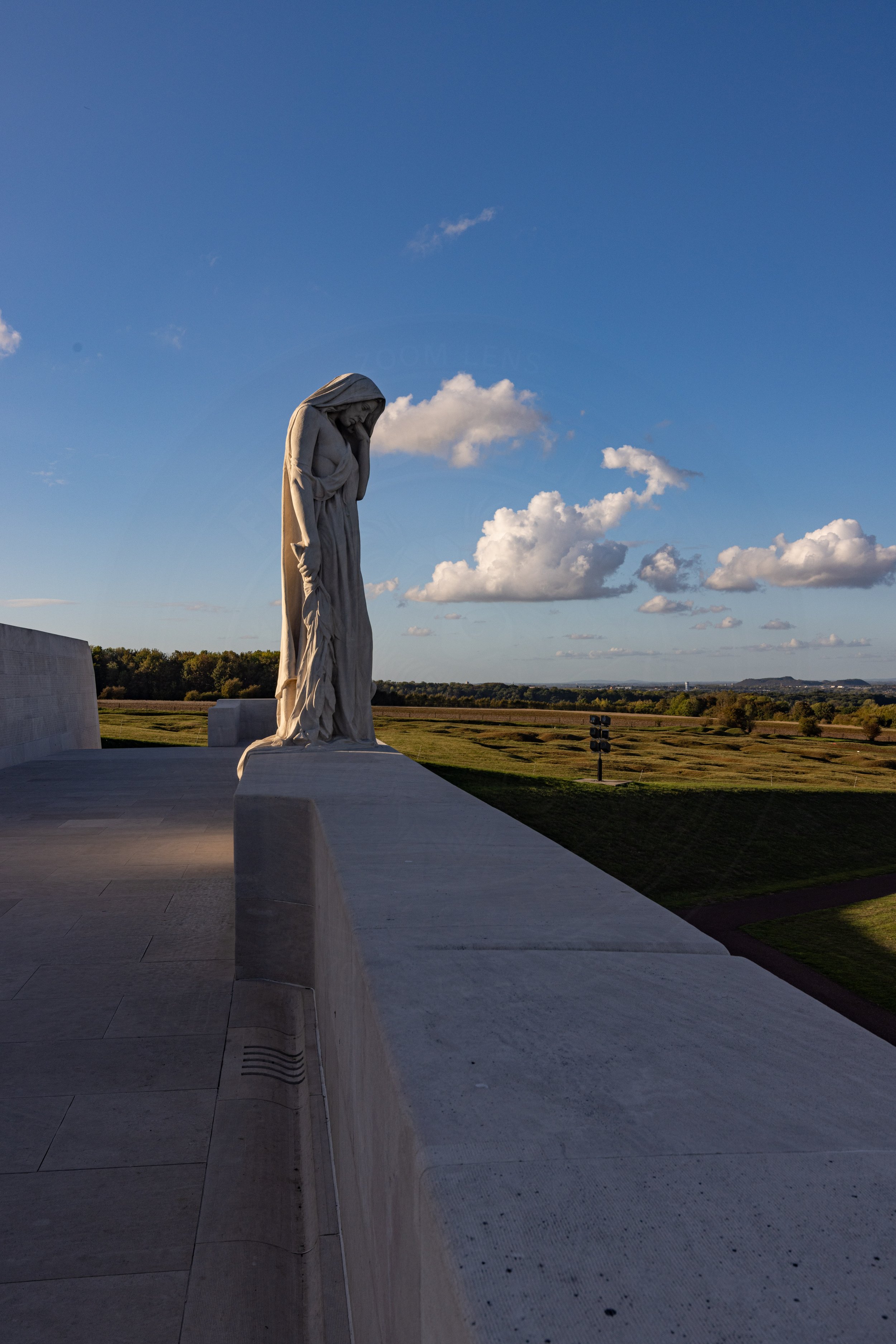
The Vimy Ridge Memorial
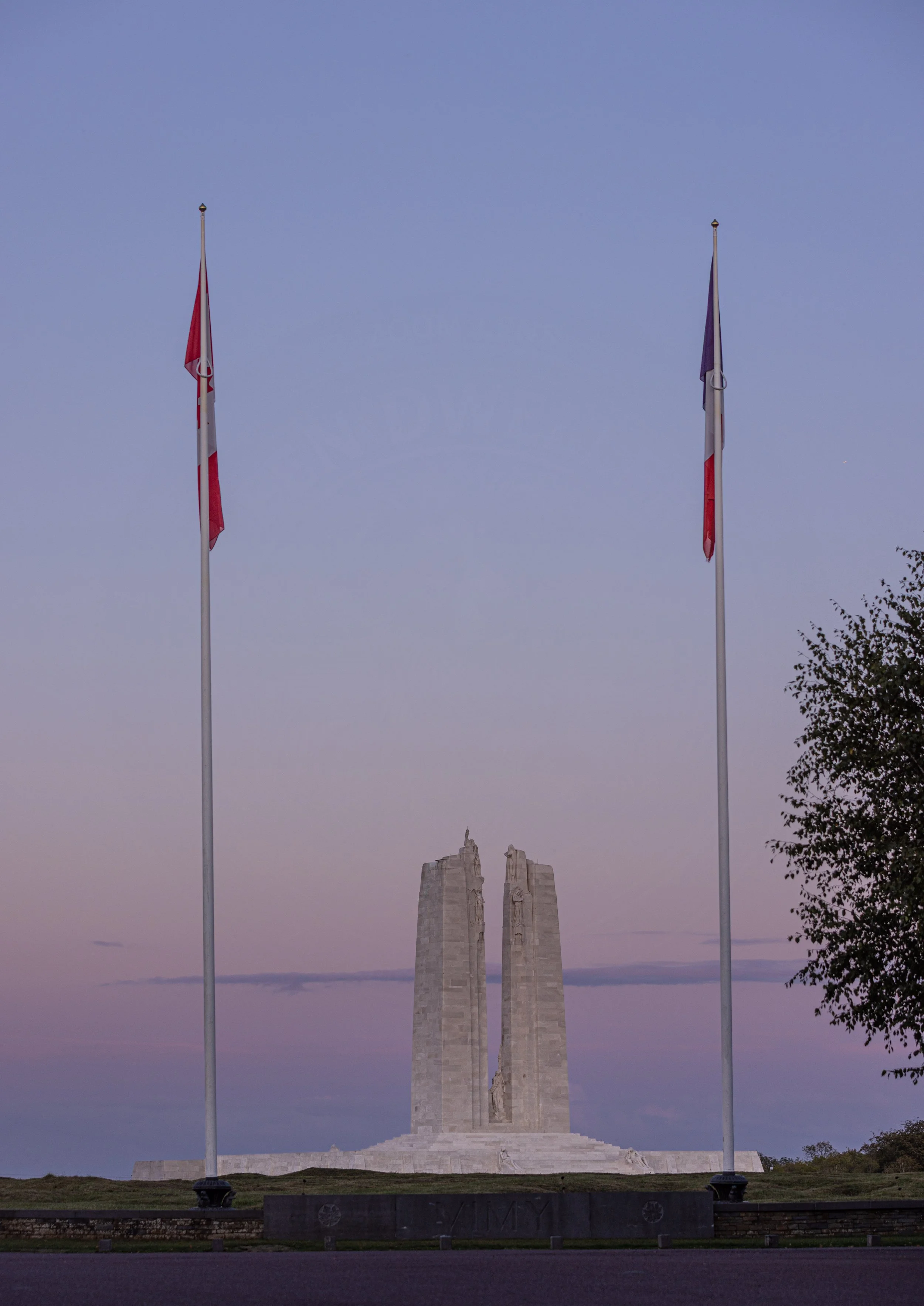
The Vimy Ridge Memorial
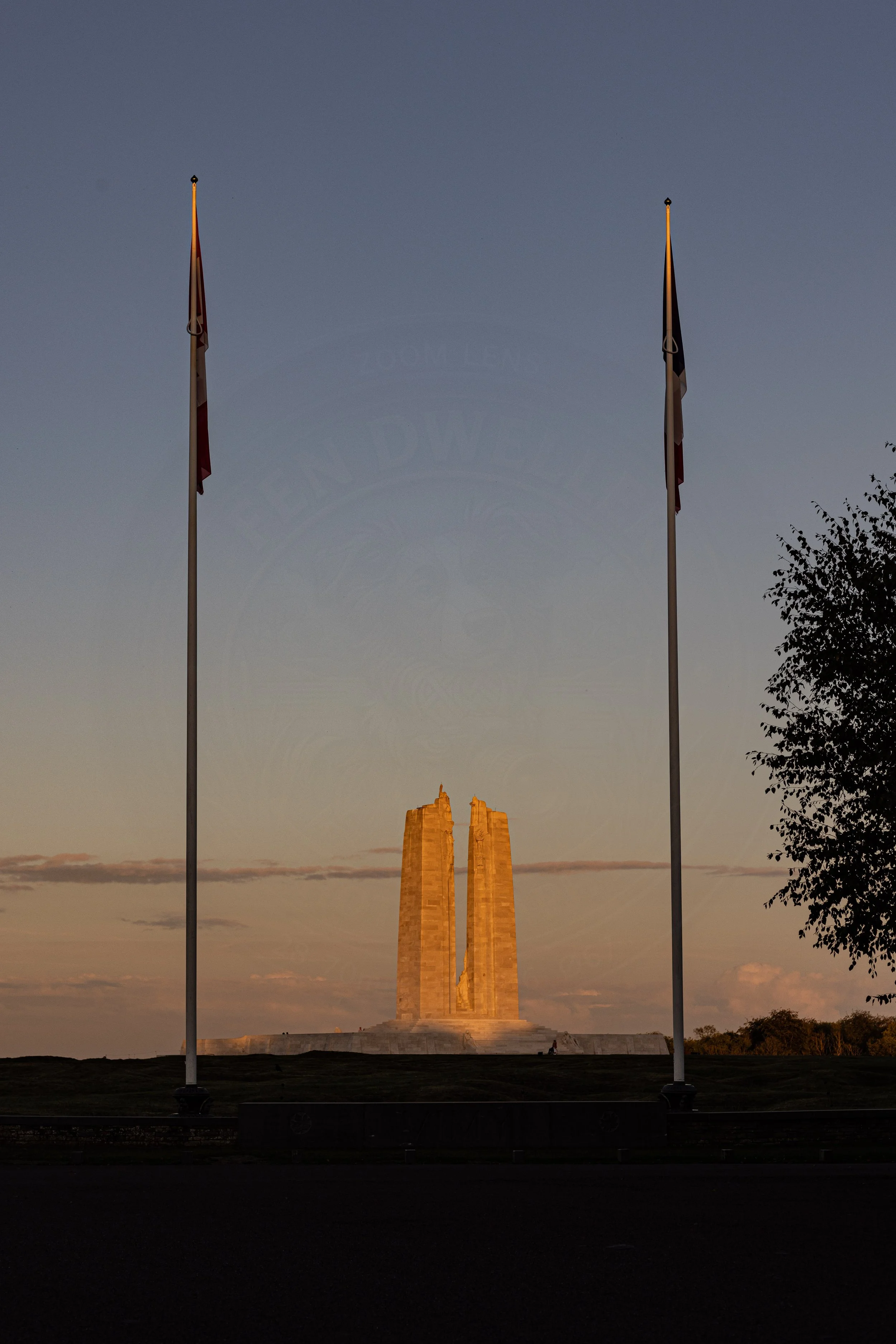
The Vimy Ridge Memorial
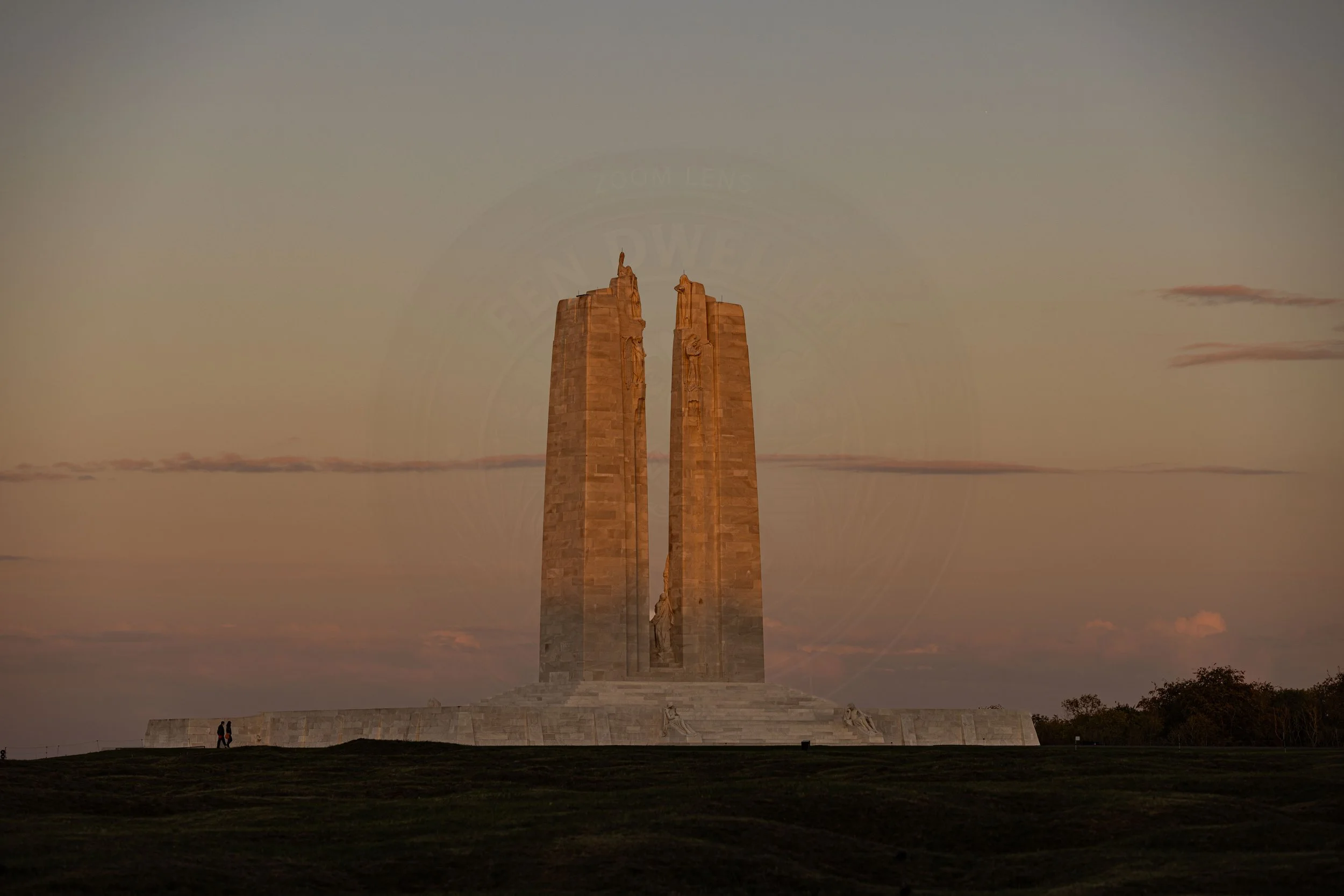
The Vimy Ridge Memorial
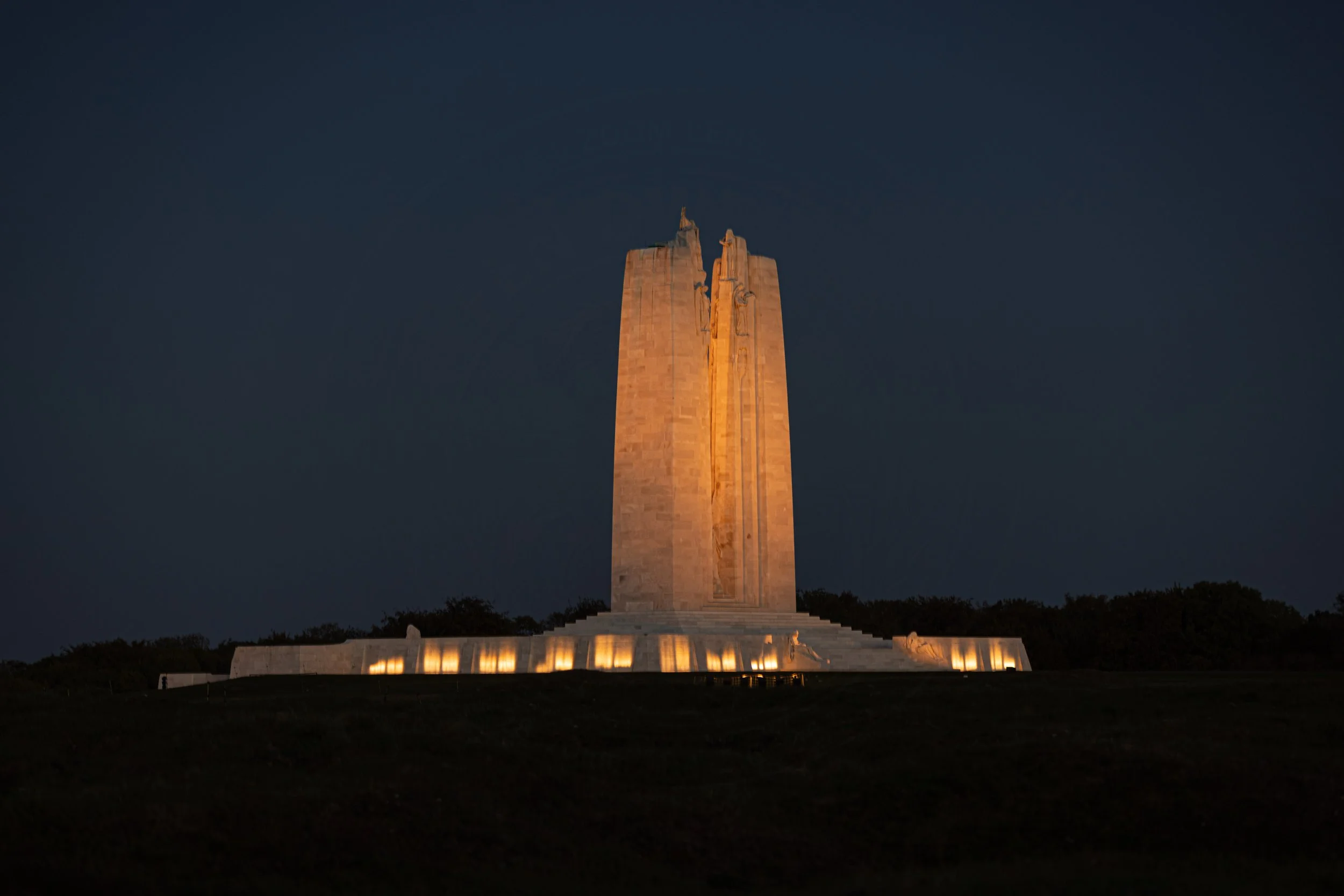
The Vimy Ridge Memorial
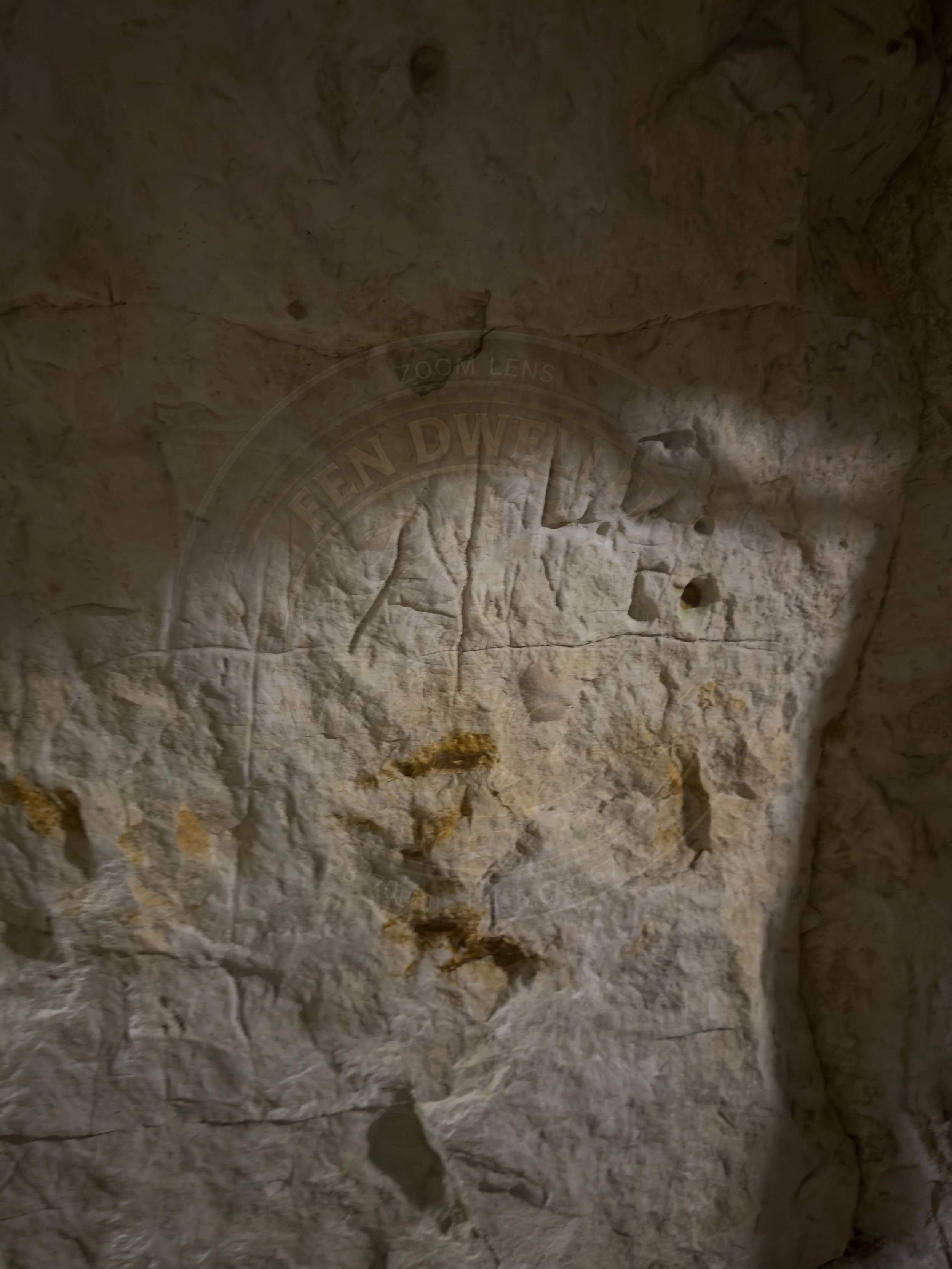
Soldier's writings on the walls of the tunnels, as they wait for the word to advance.
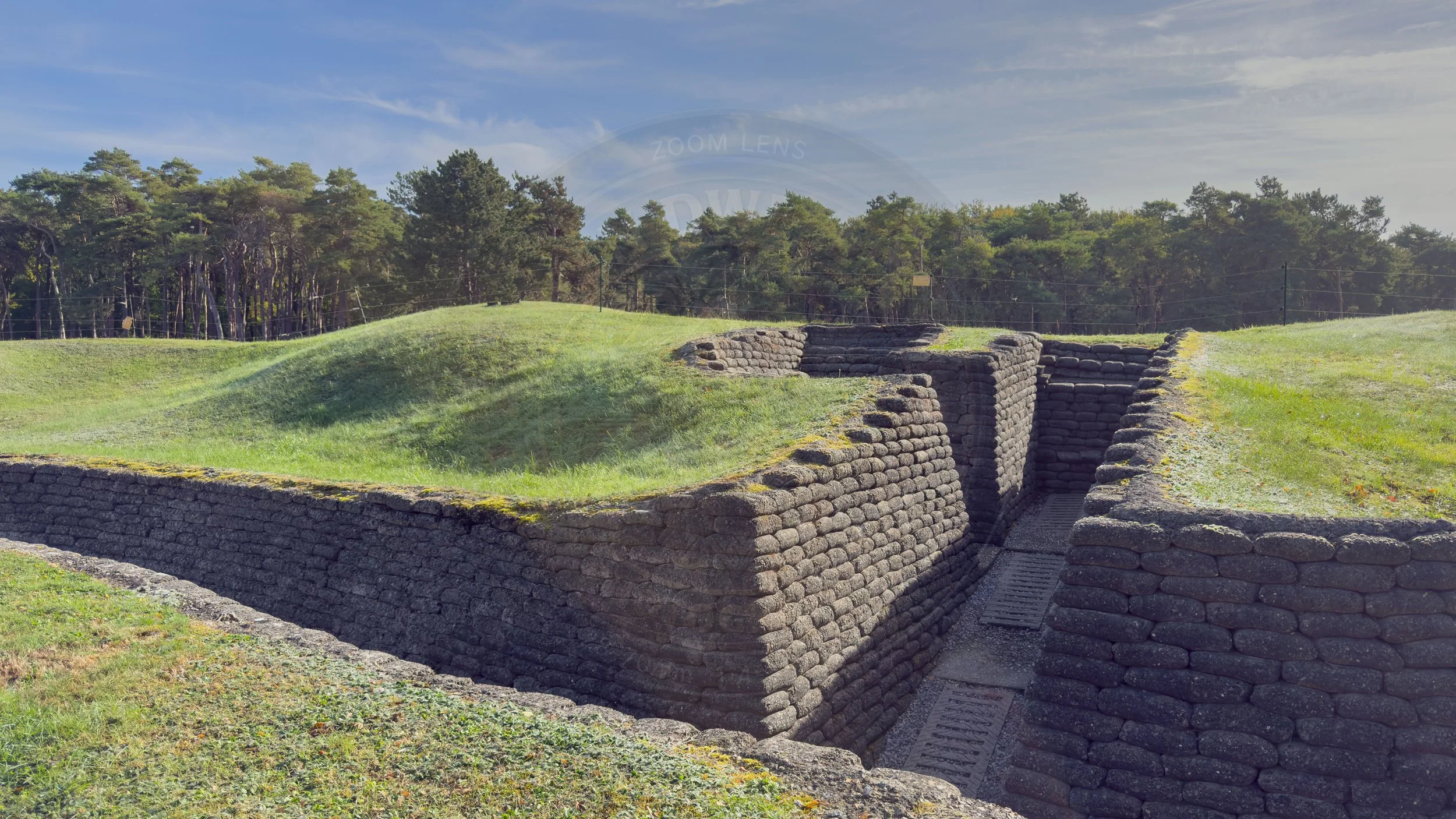
Trench Layout at Vimy
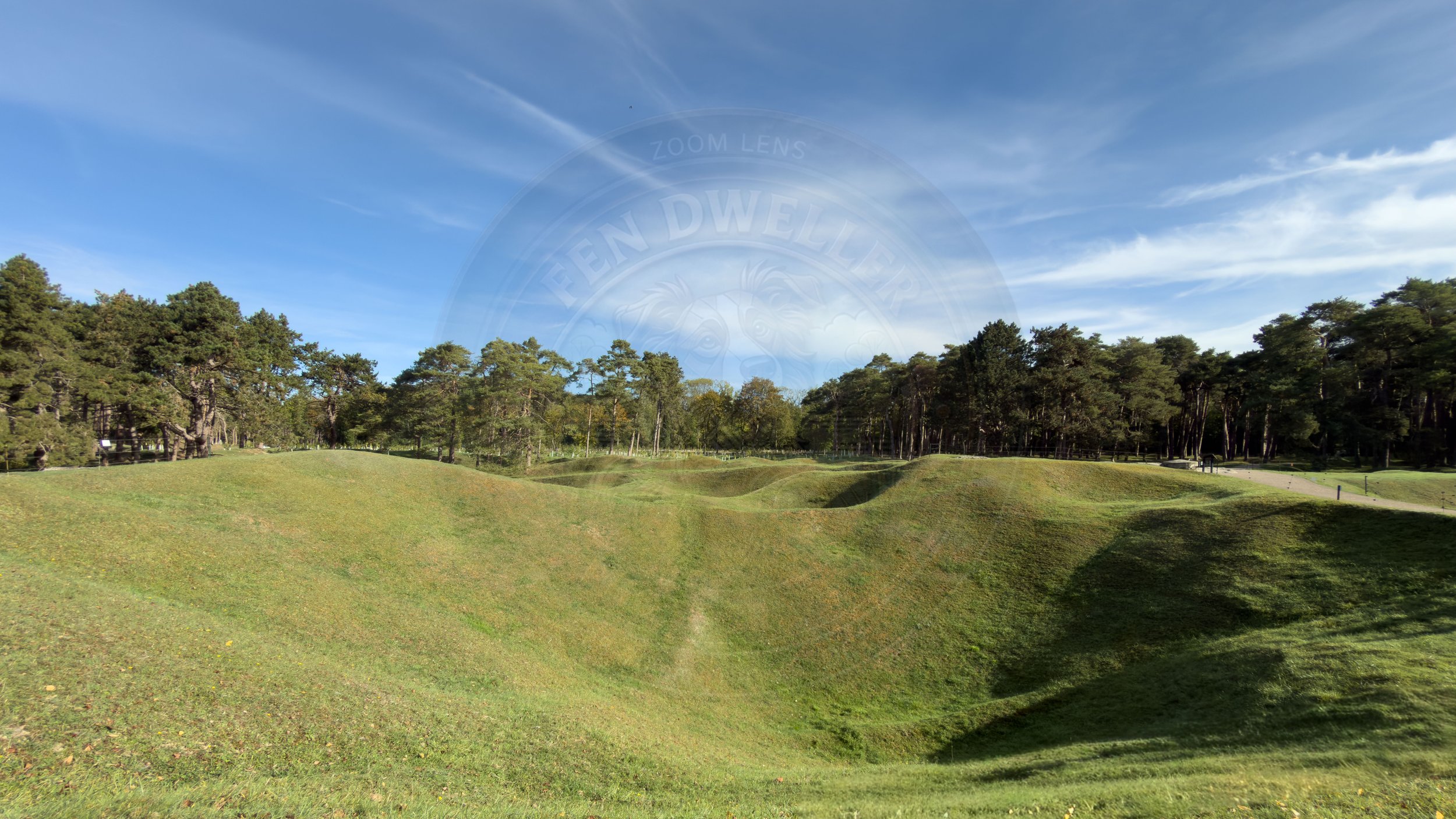
Craters left at Vimy Ridge
Vimy Ridge Memorial
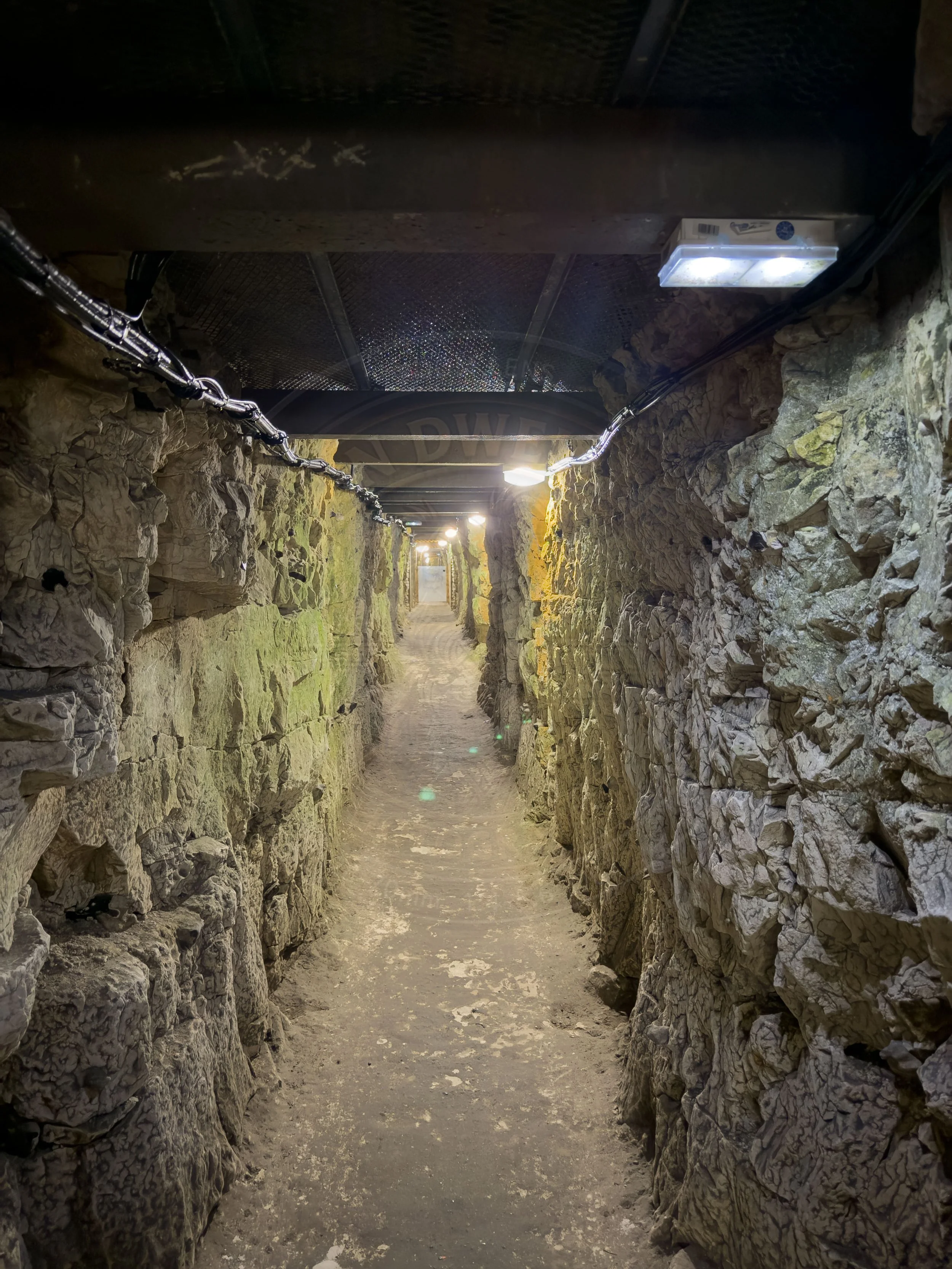
The tunnels at Vimy Ridge
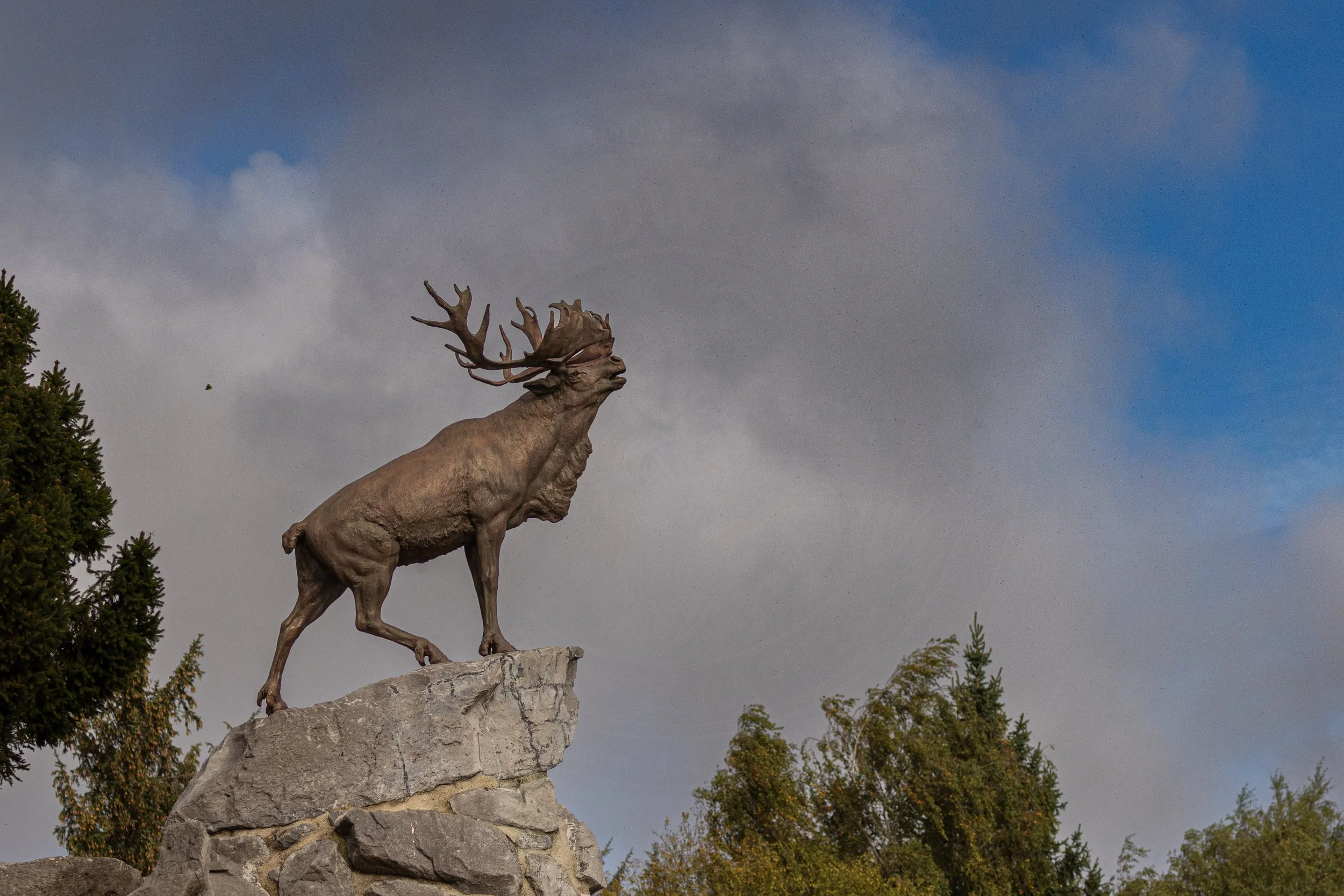
Bronze Caribou - Beaumont-Hamel (Newfoundland) Memorial.
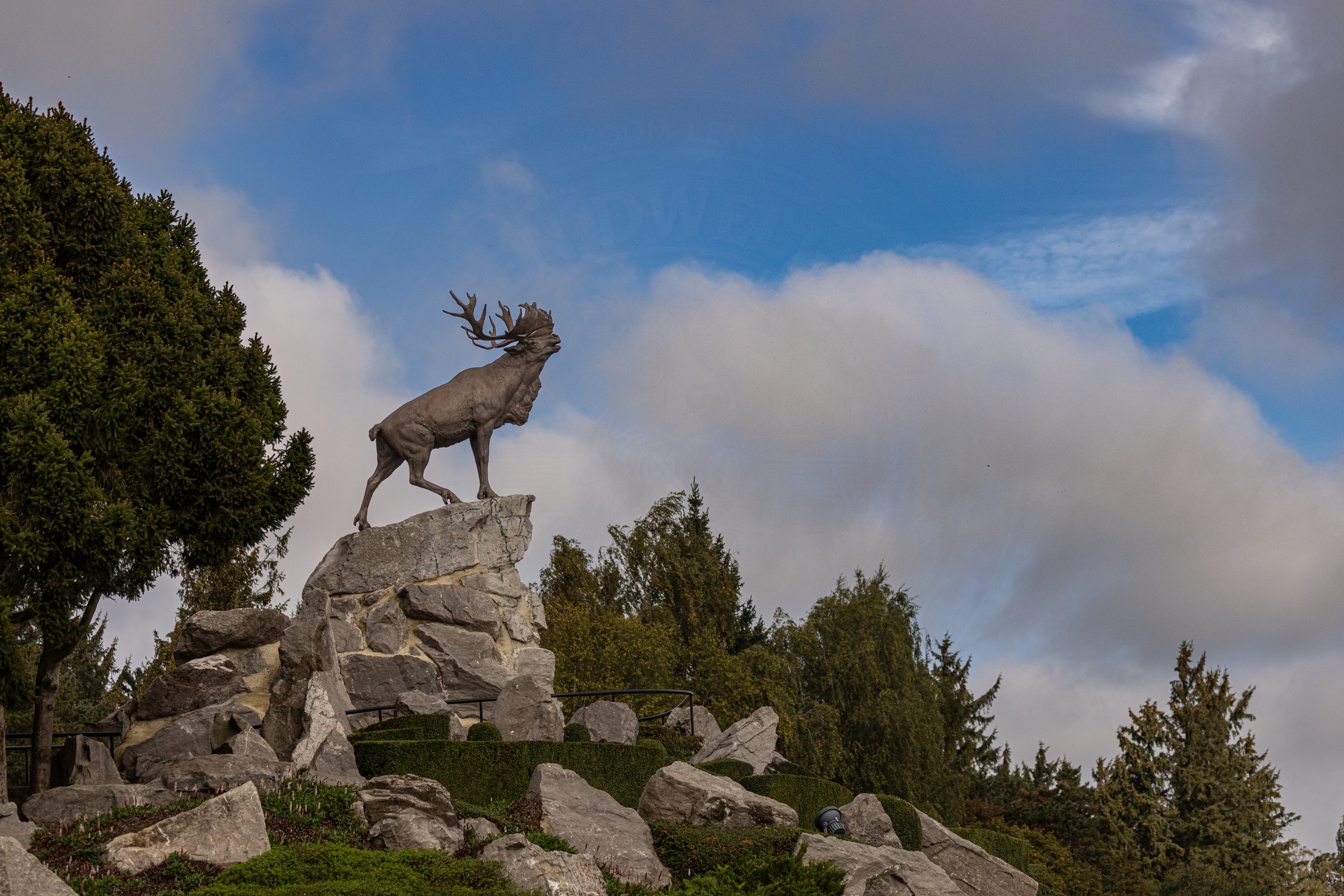
Bronze Caribou - Beaumont-Hamel (Newfoundland) Memorial.
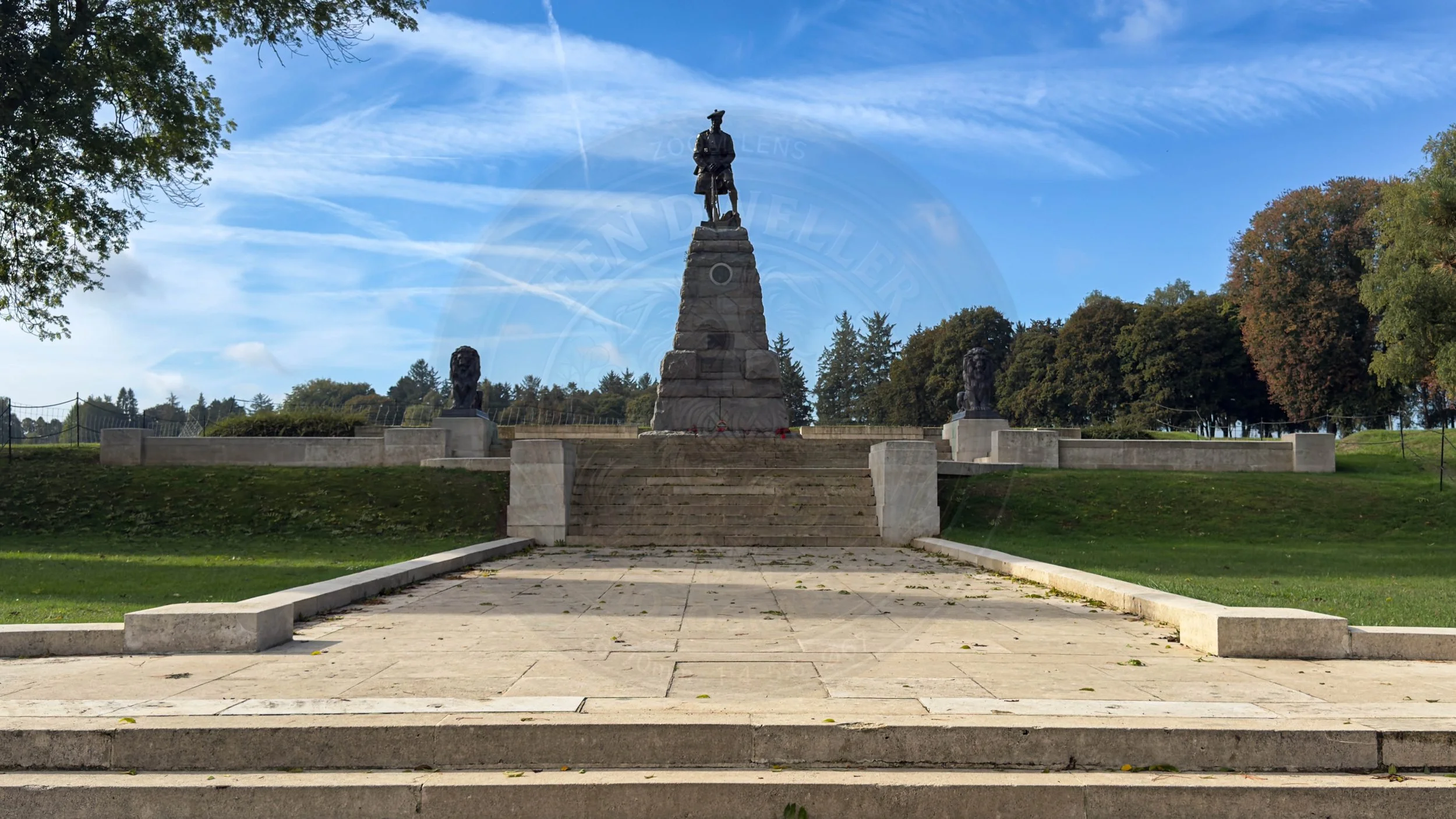
Beaumont-Hamel (Newfoundland) Memorial.
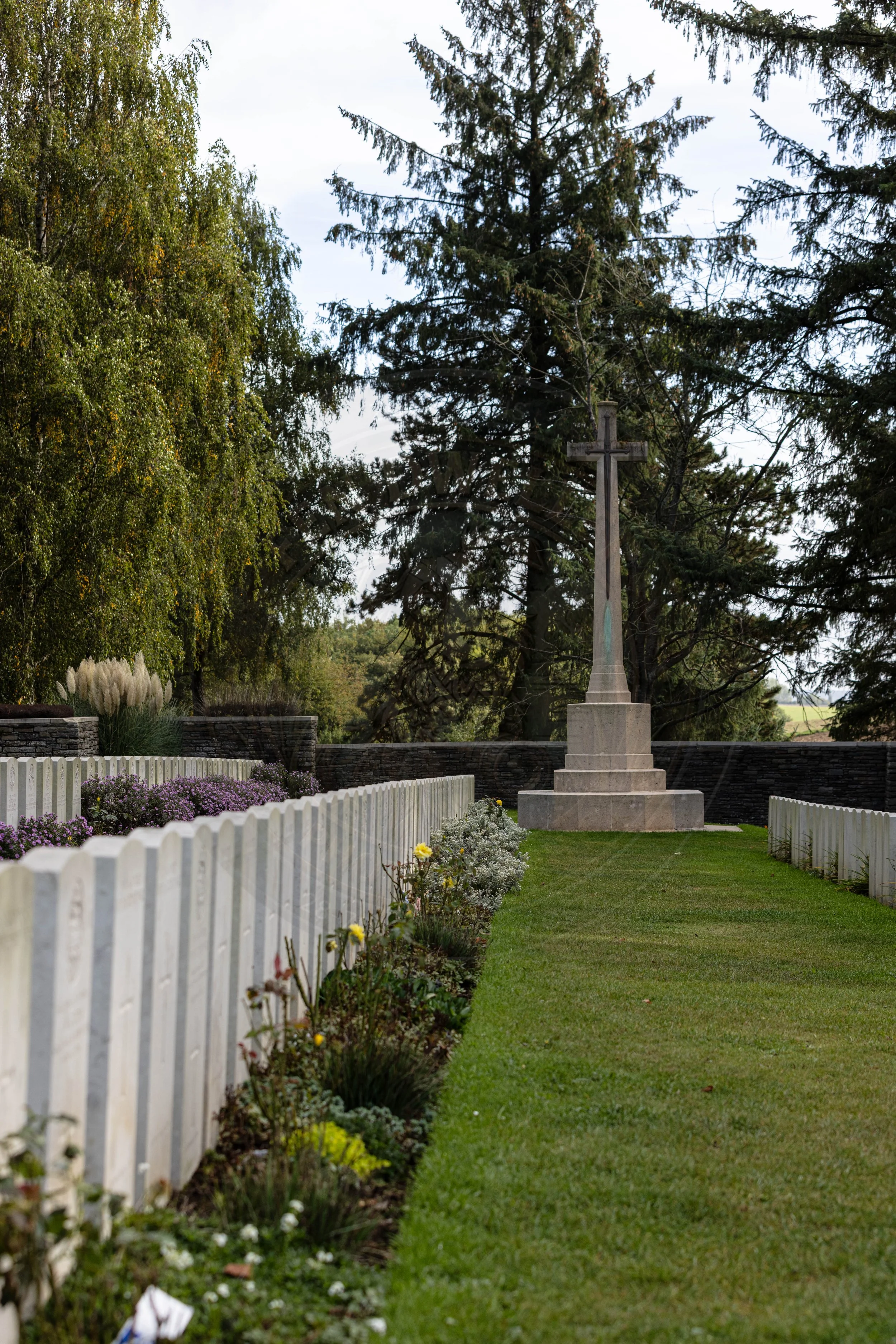
Beaumont-Hamel (Newfoundland) Memorial.
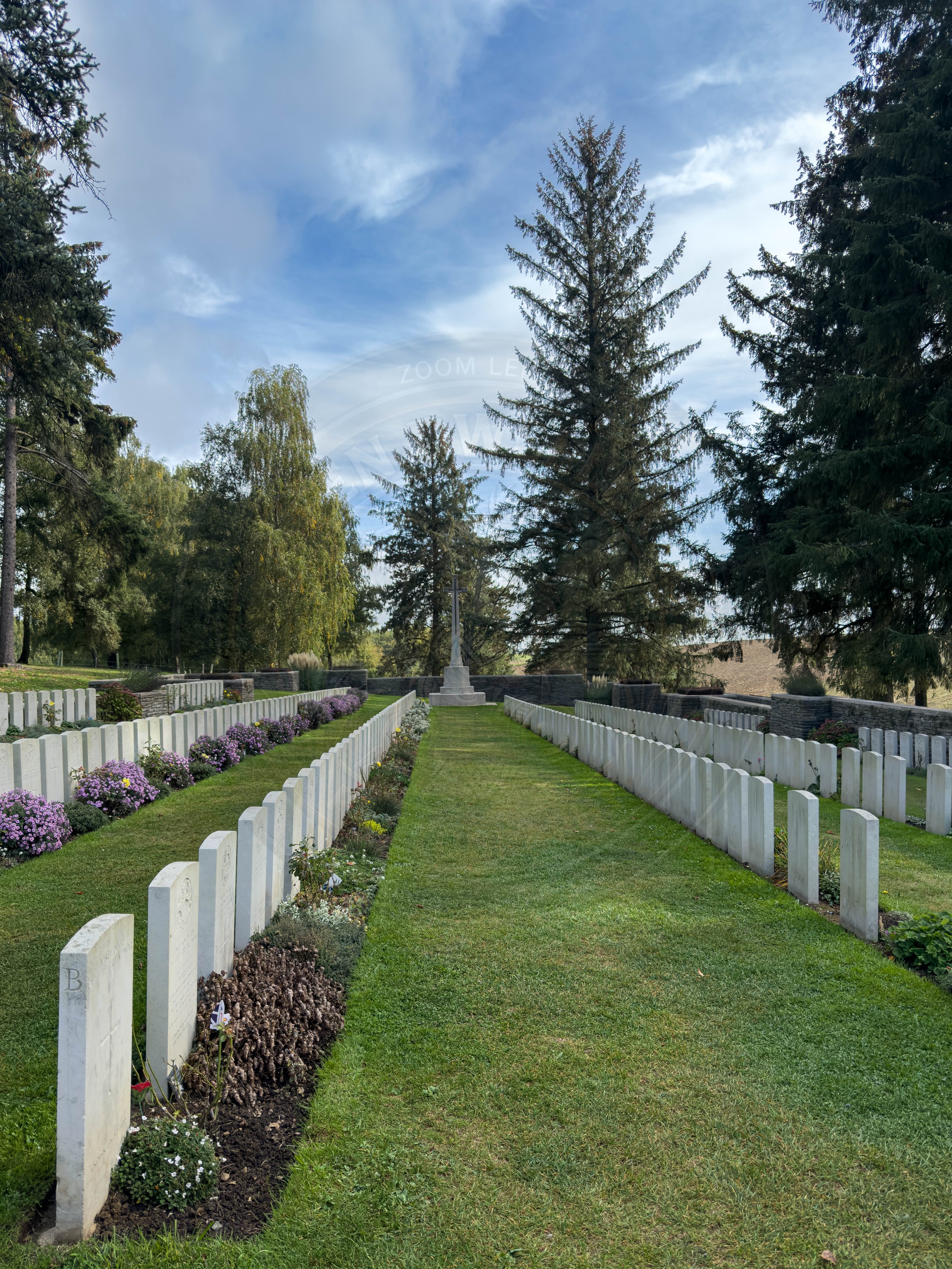
Beaumont-Hamel (Newfoundland) Memorial.
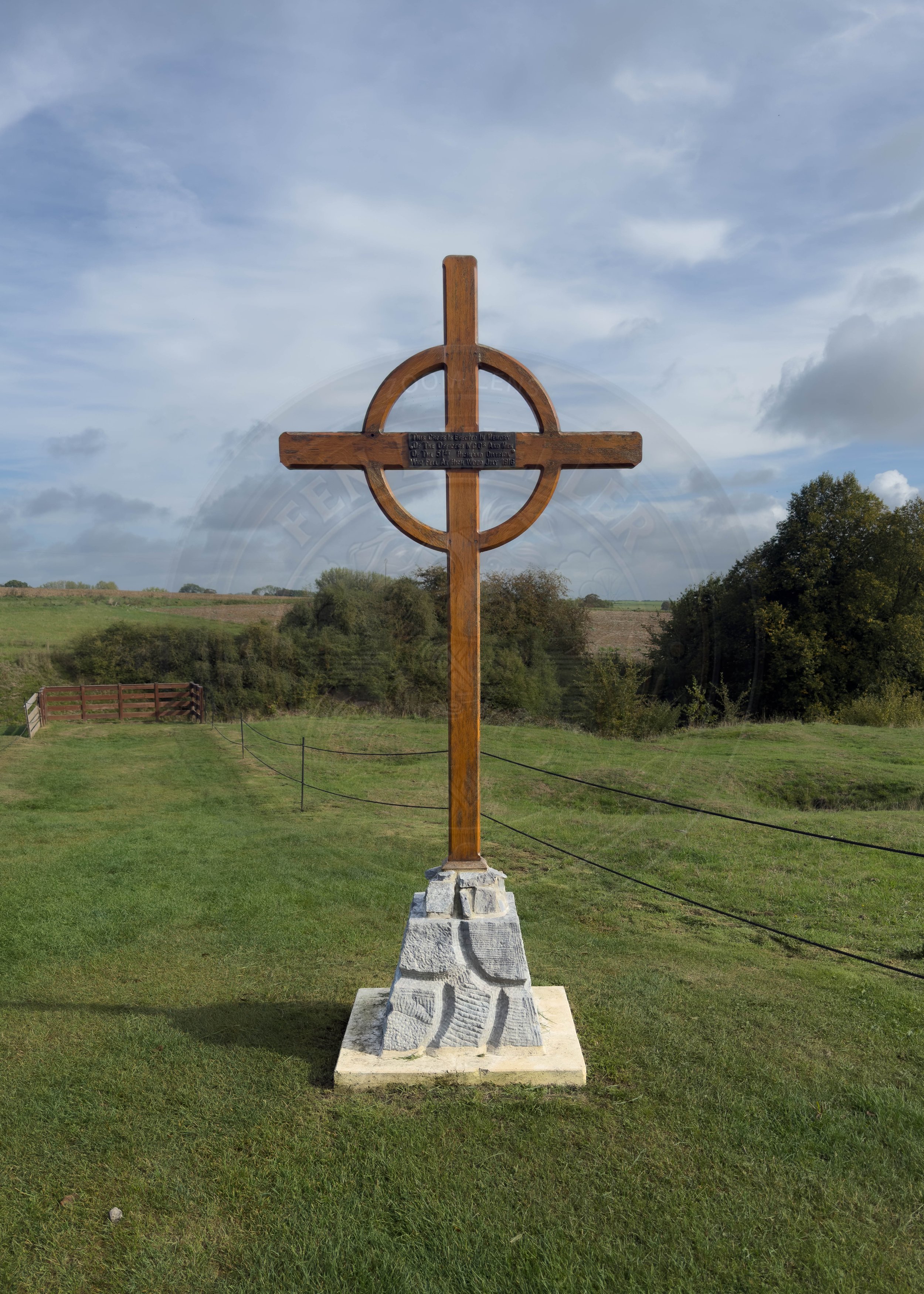
Beaumont-Hamel (Newfoundland) Memorial.
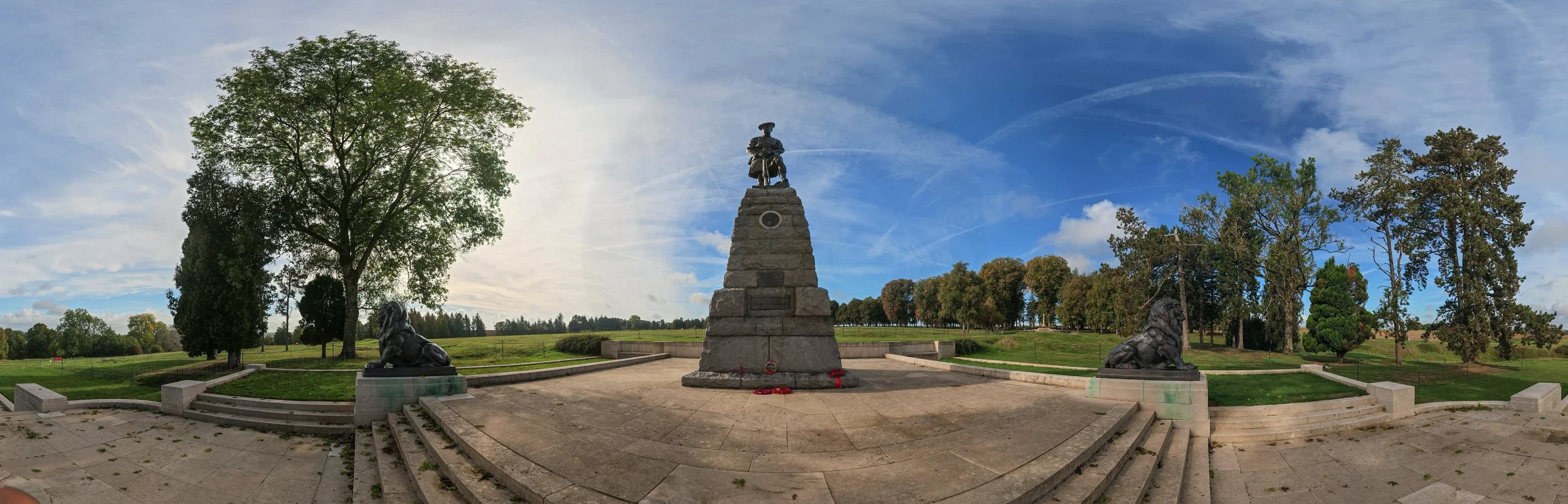
Beaumont-Hamel (Newfoundland) Memorial.
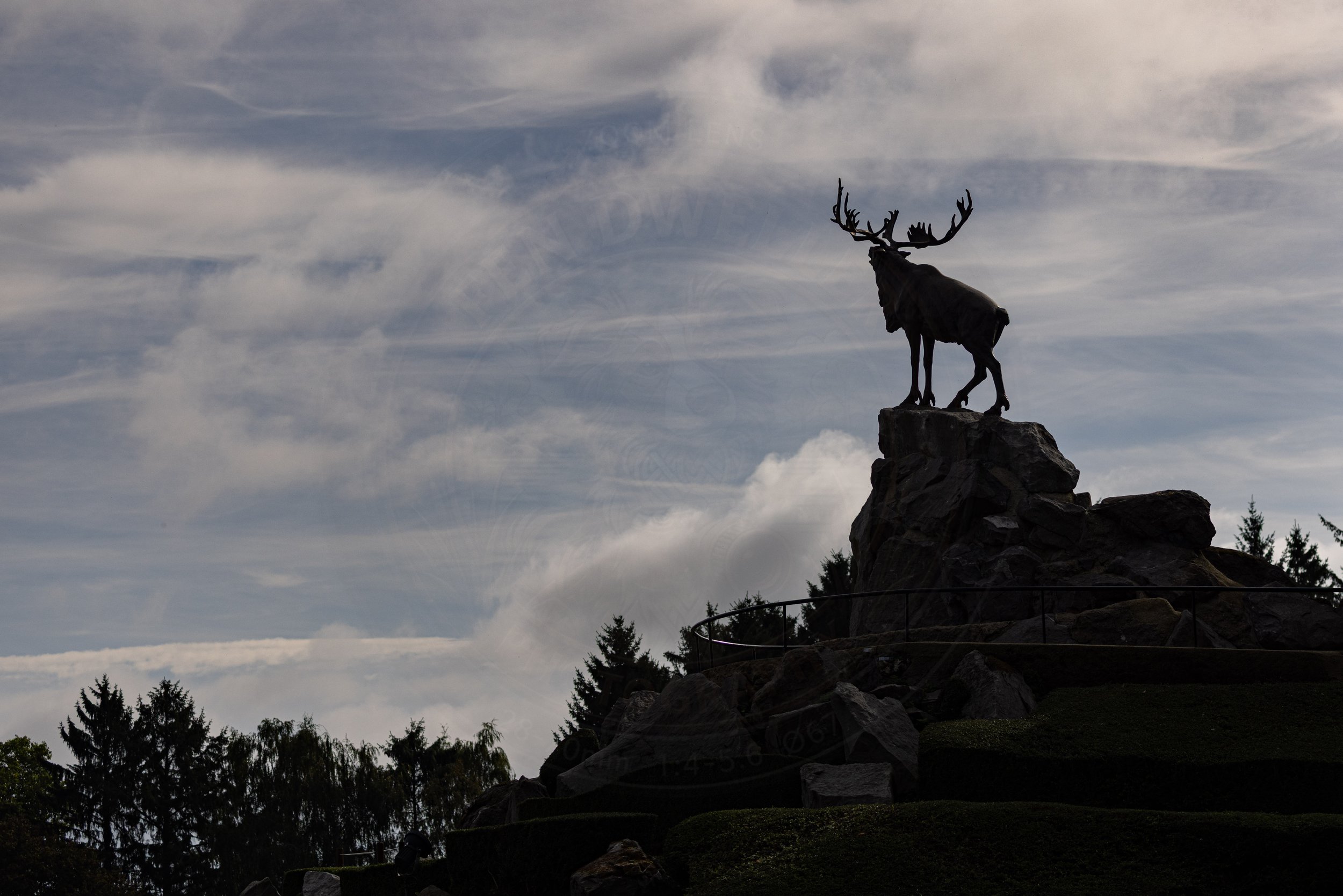
Bronze Caribou - Beaumont-Hamel (Newfoundland) Memorial.
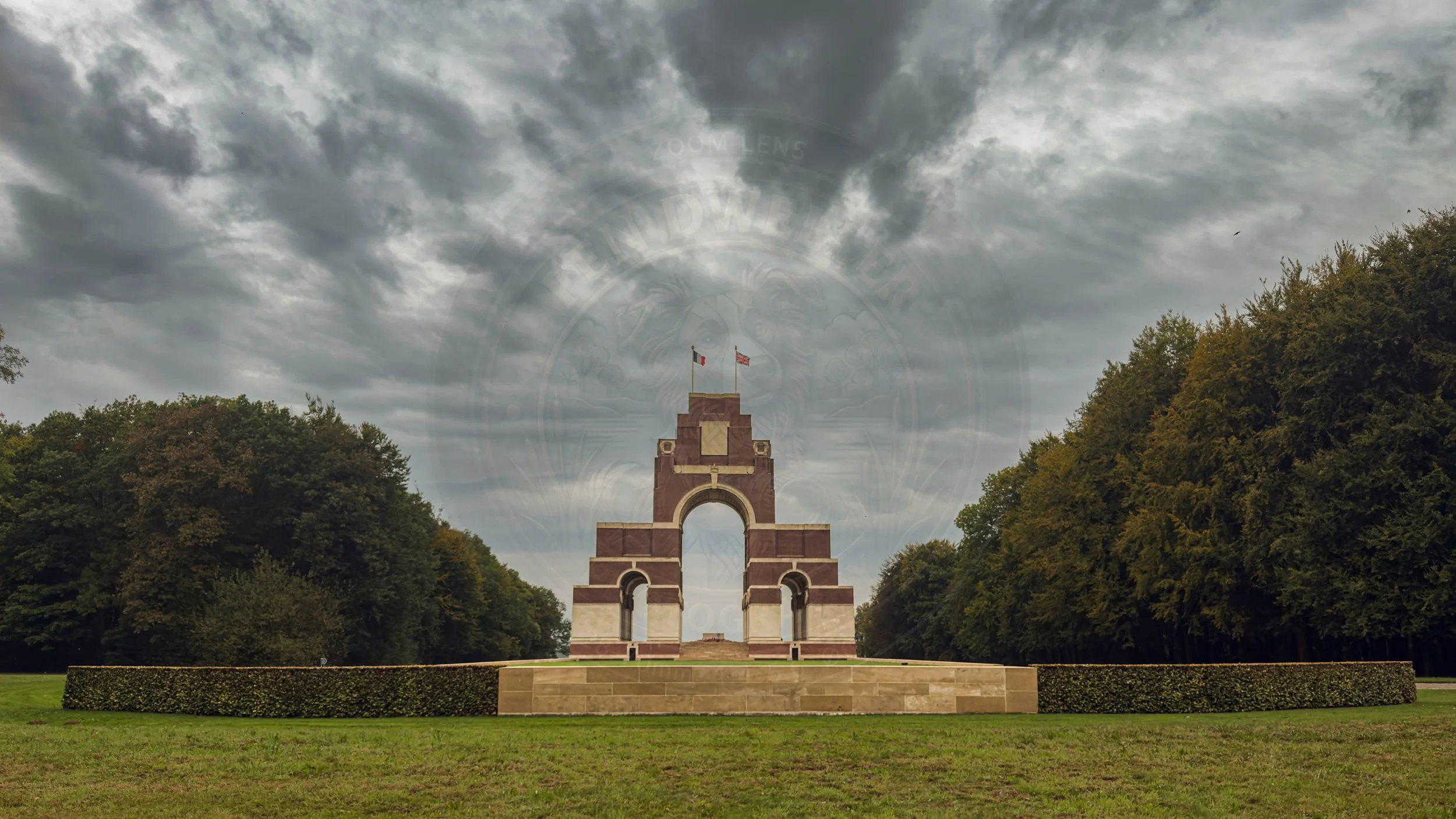
Thiepval Memorial to the Missing of the Somme
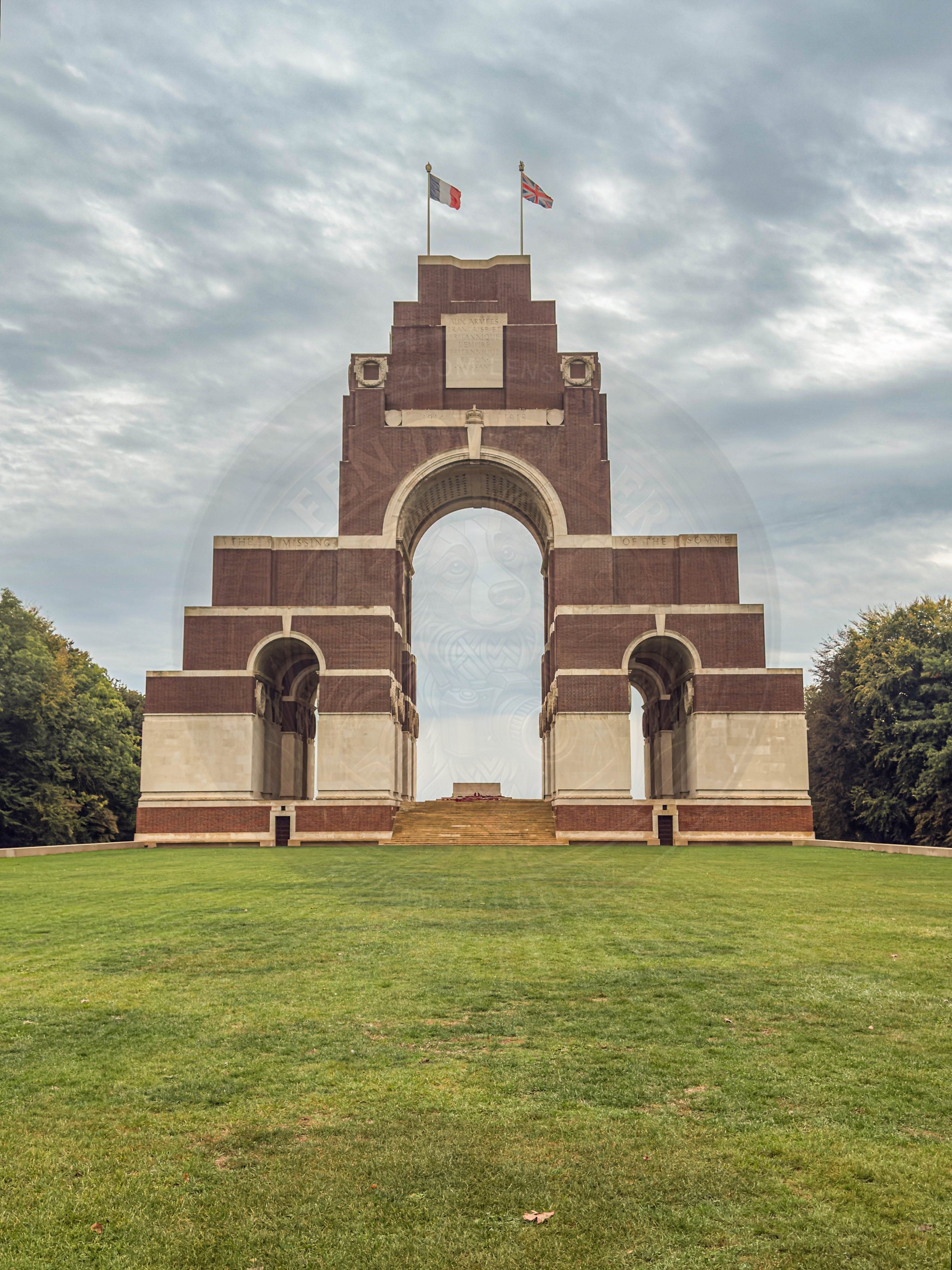
Thiepval Memorial to the Missing of the Somme
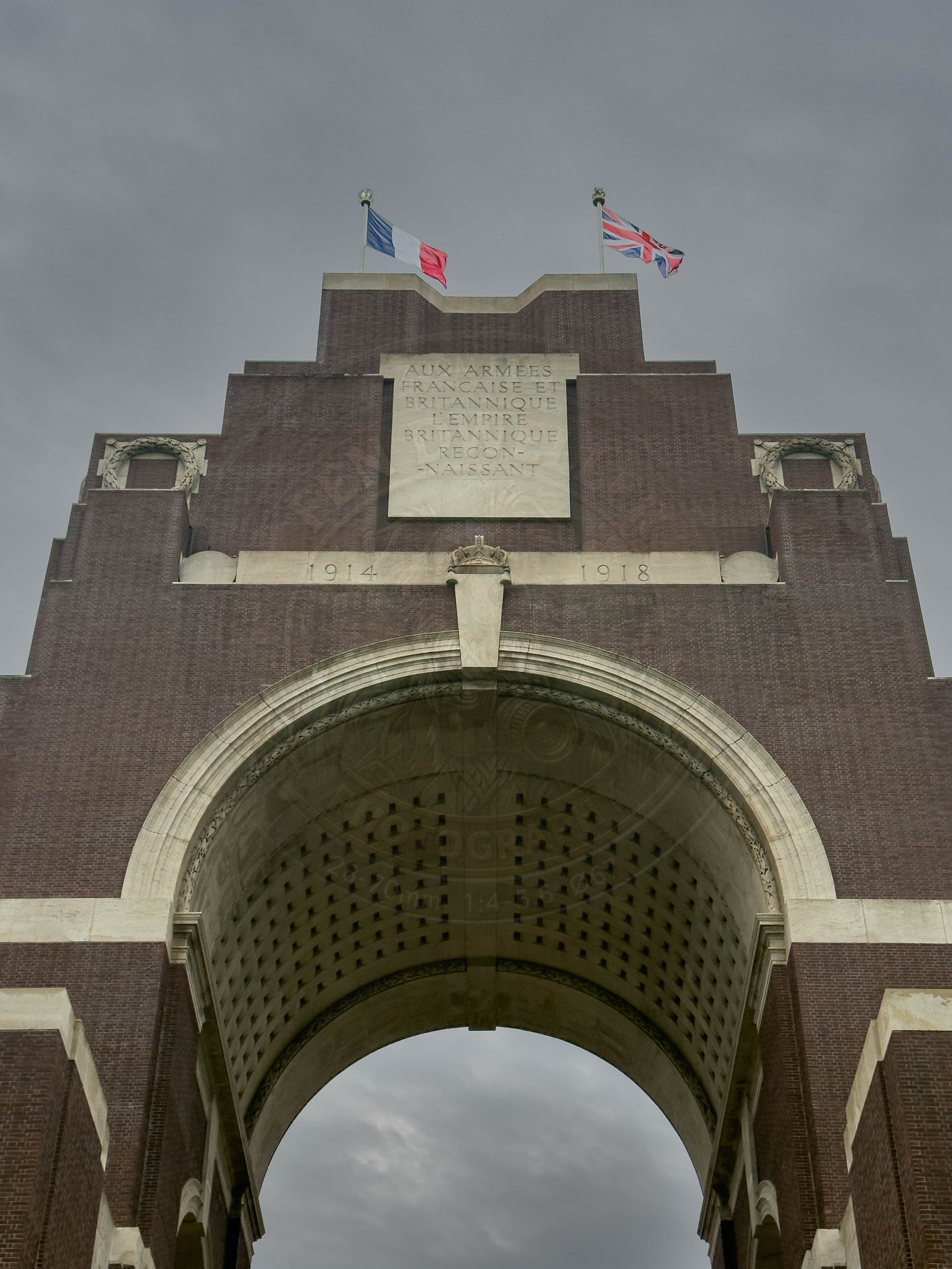
Thiepval Memorial to the Missing of the Somme
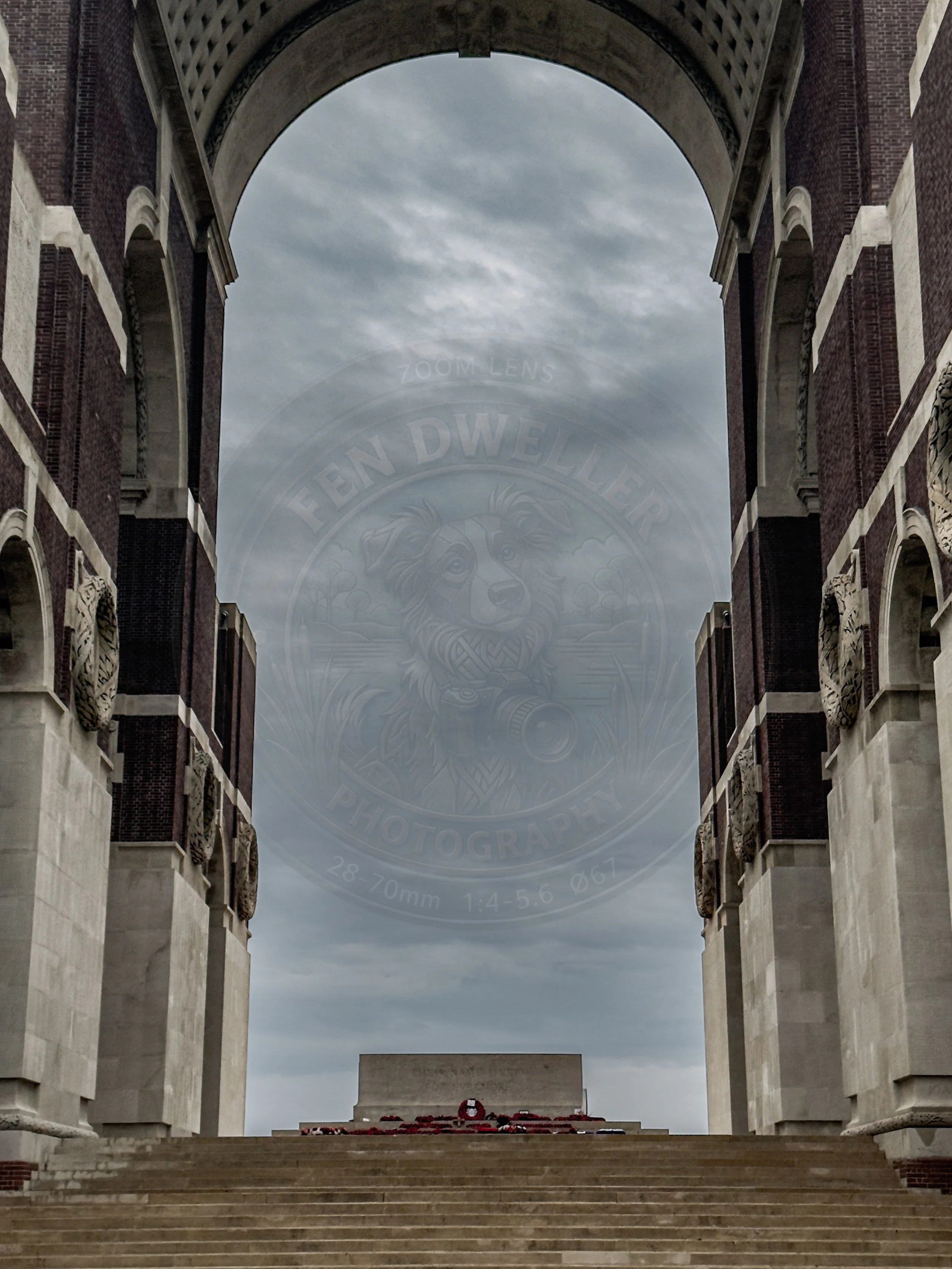
Thiepval Memorial to the Missing of the Somme
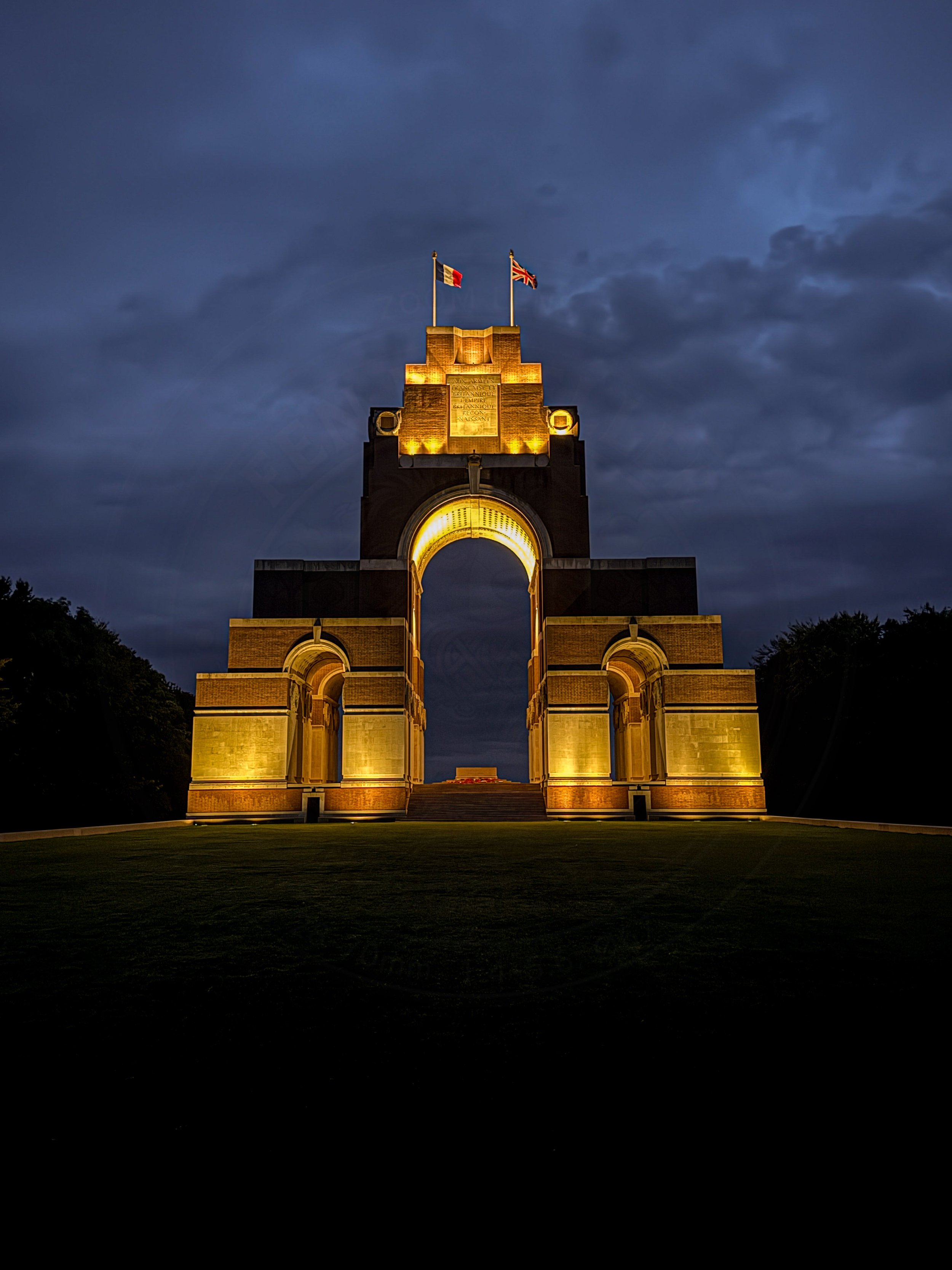
Thiepval Memorial to the Missing of the Somme
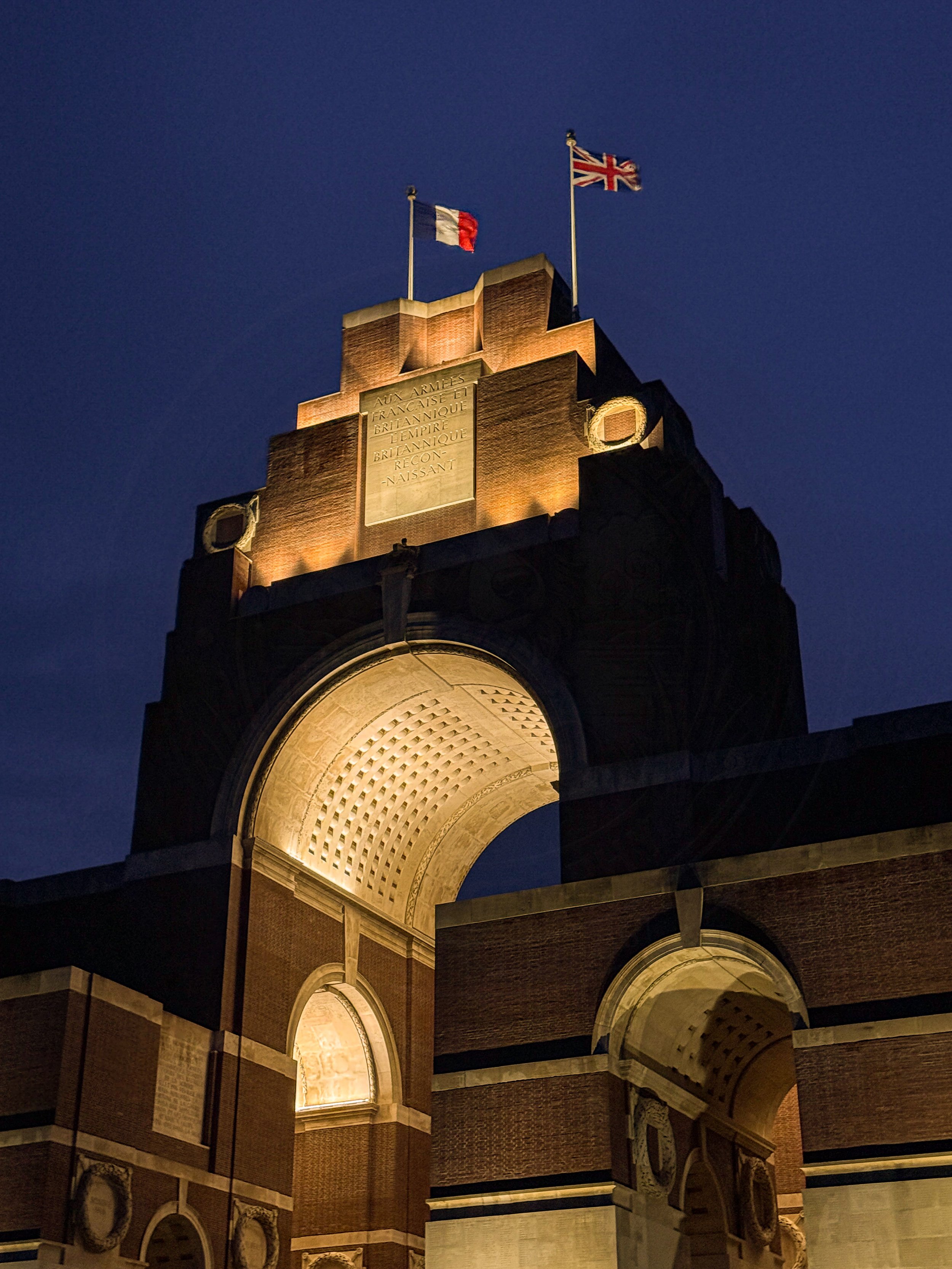
Thiepval Memorial to the Missing of the Somme
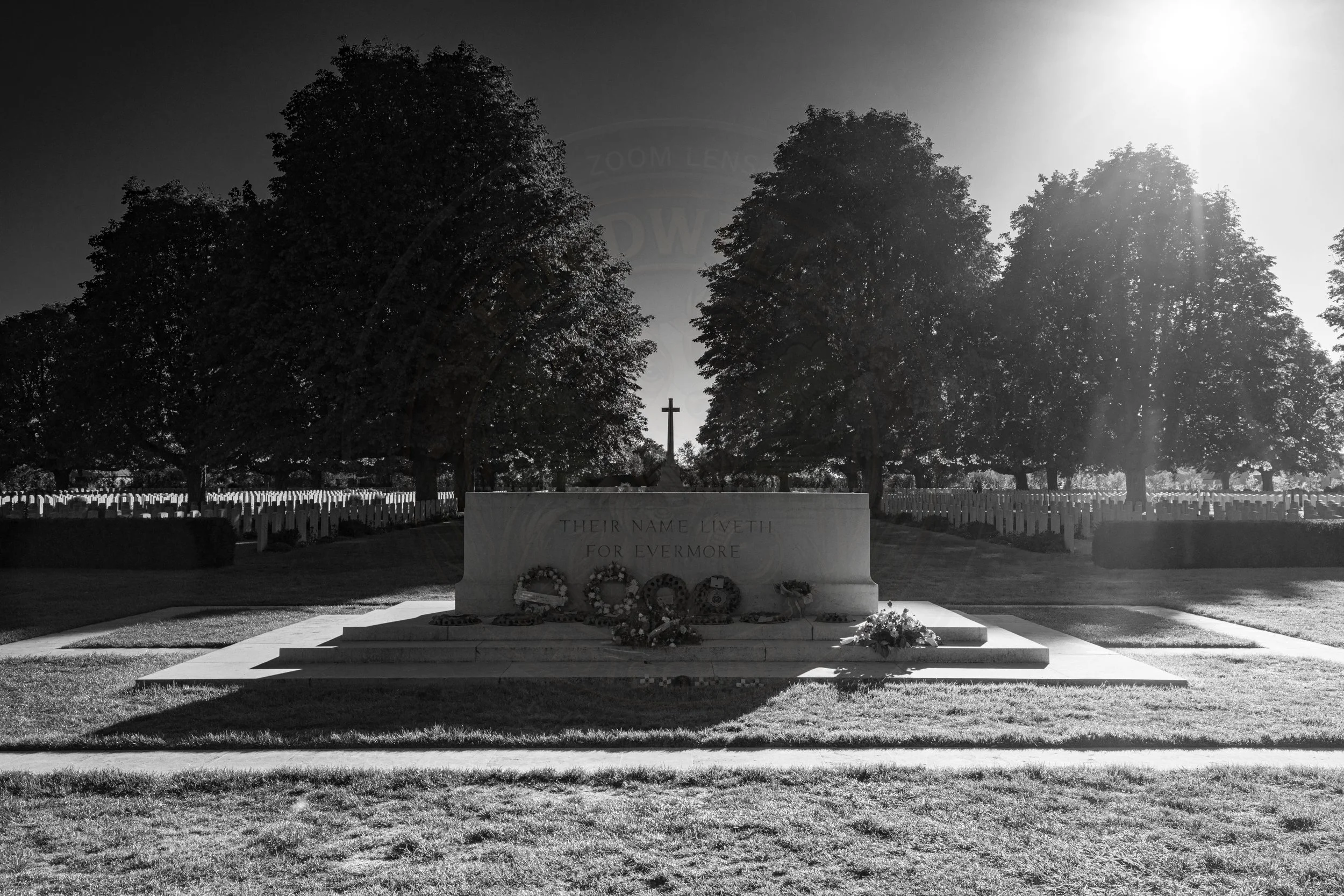
The Bayeux British Military Cemetery
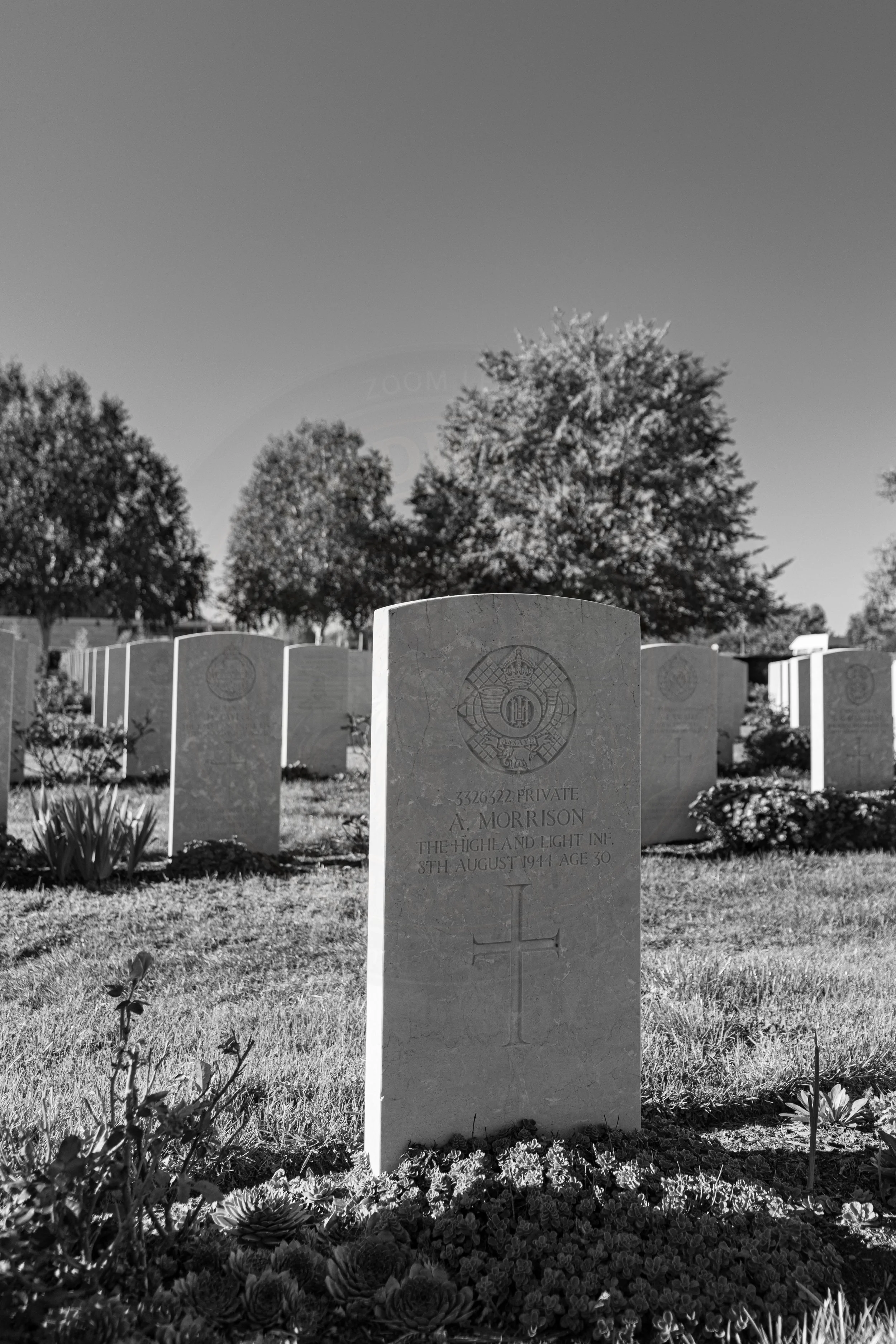
The Bayeux British Military Cemetery
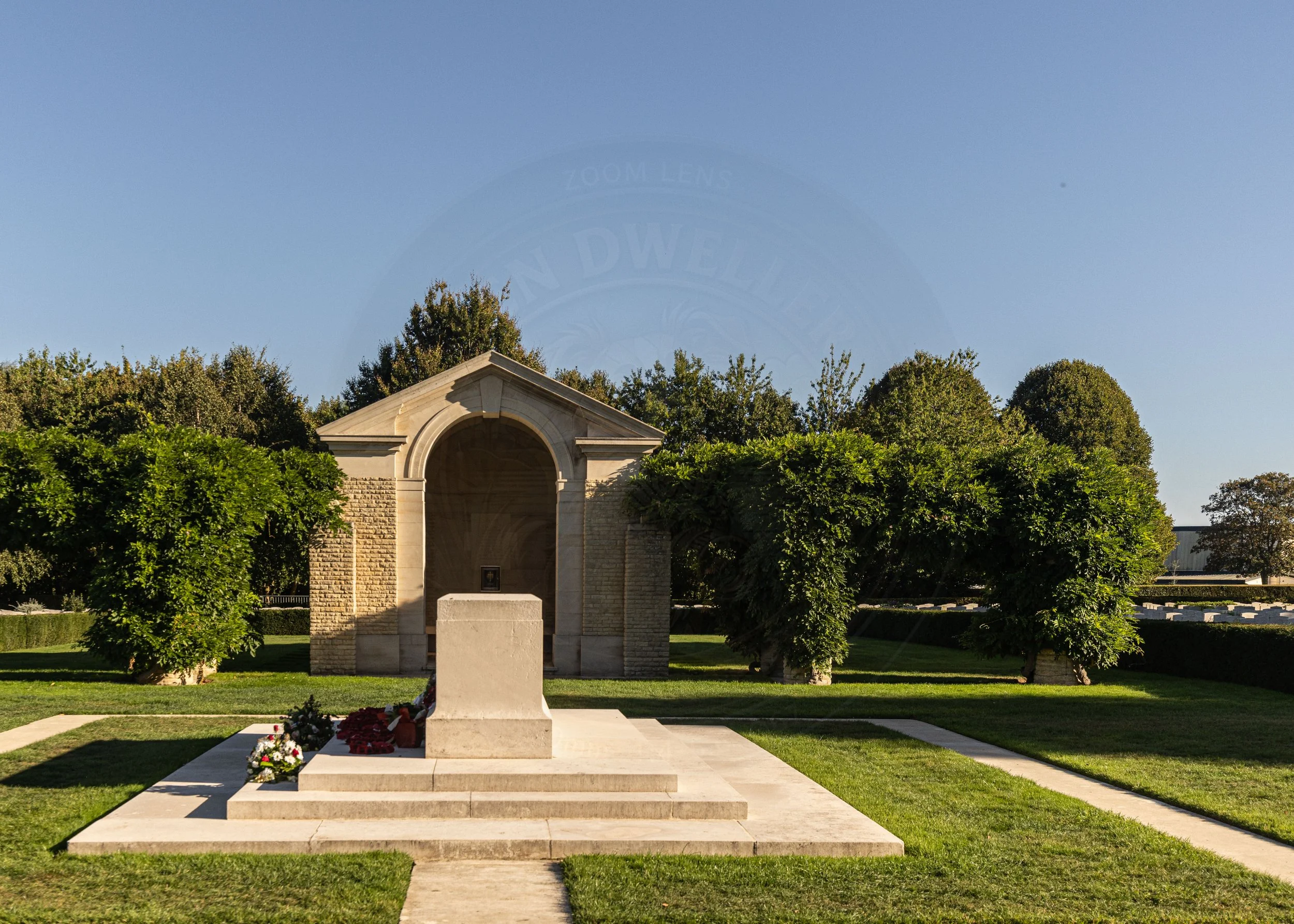
The Bayeux British Military Cemetery
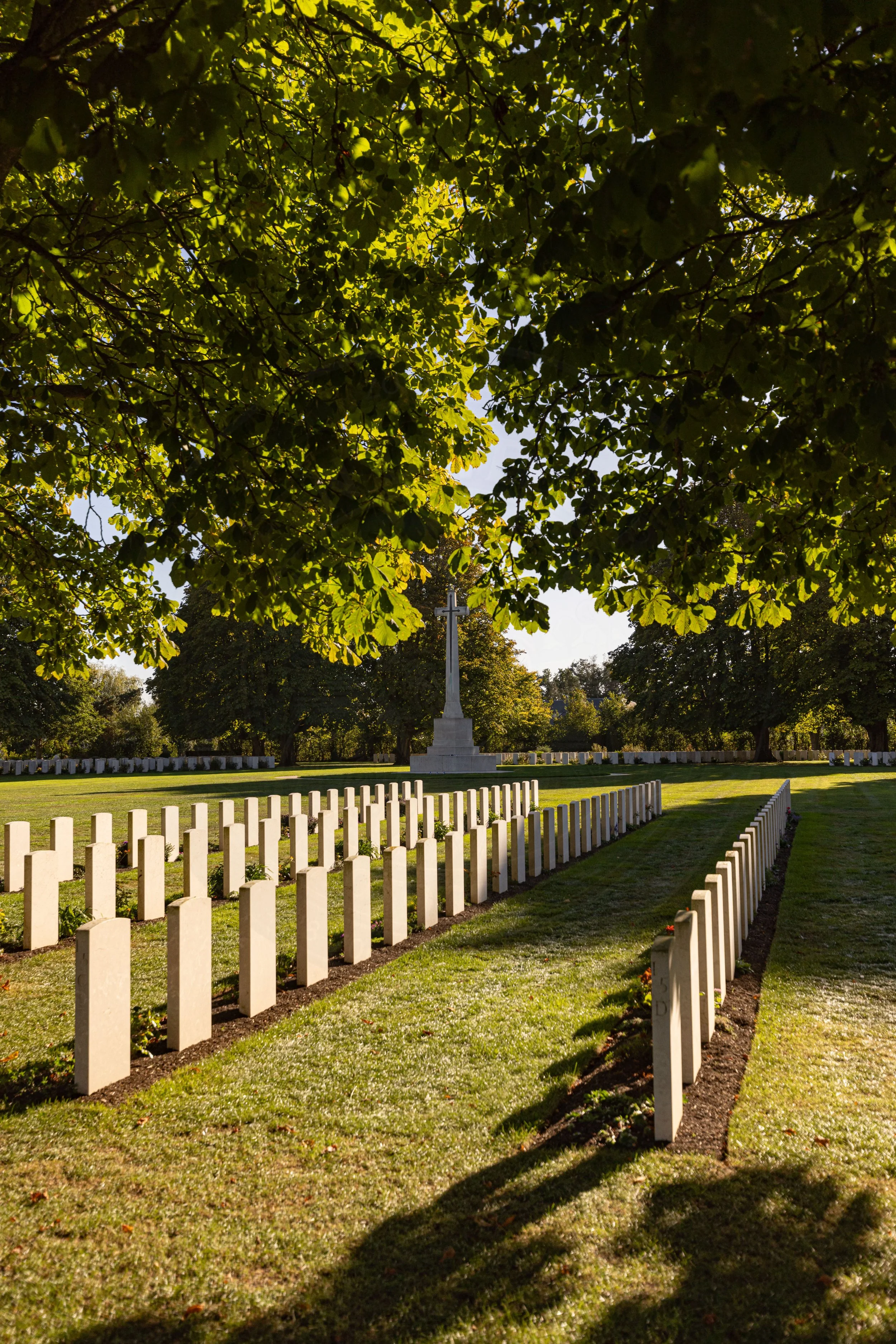
The Bayeux British Military Cemetery
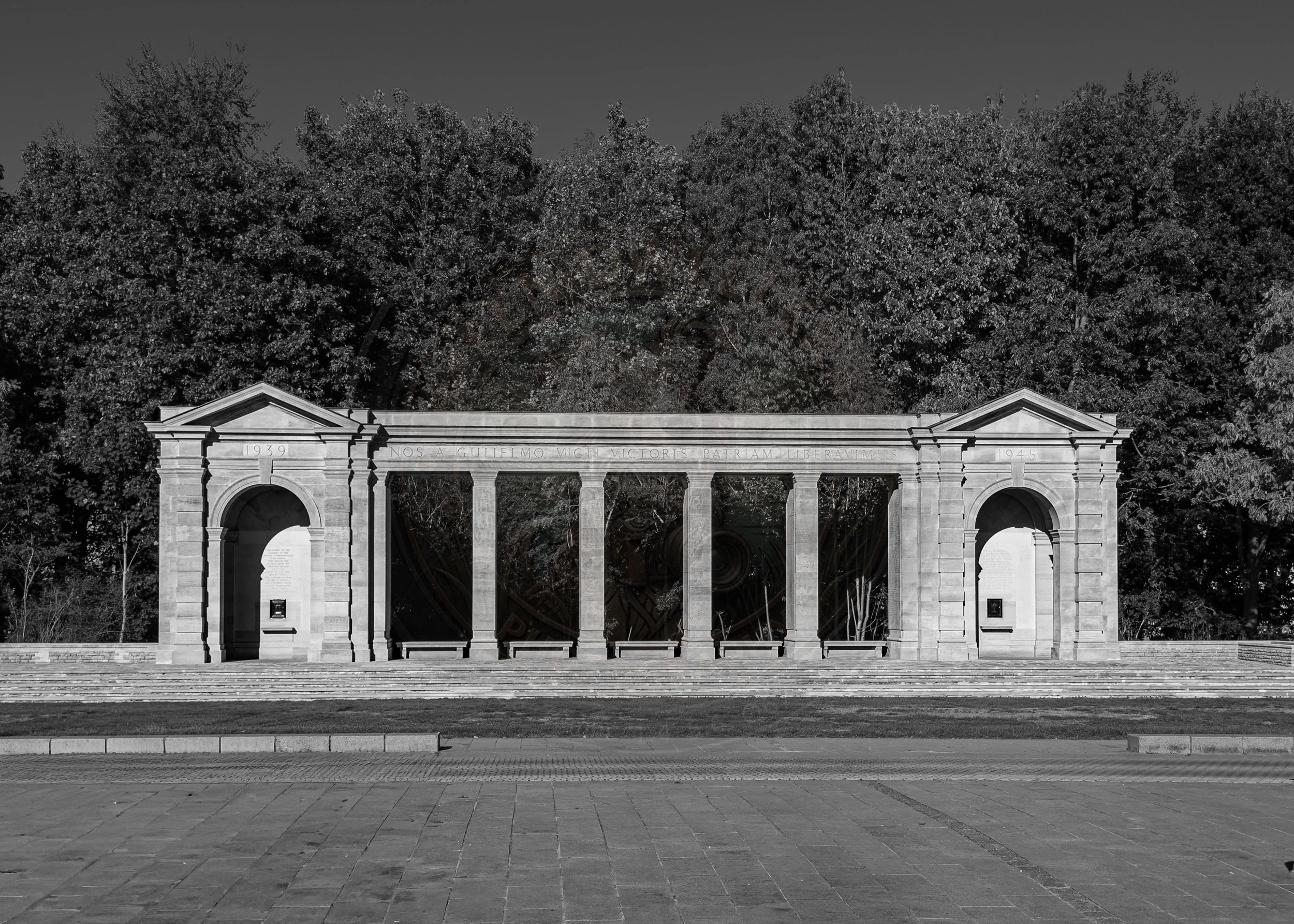
The Bayeux British Military Cemetery
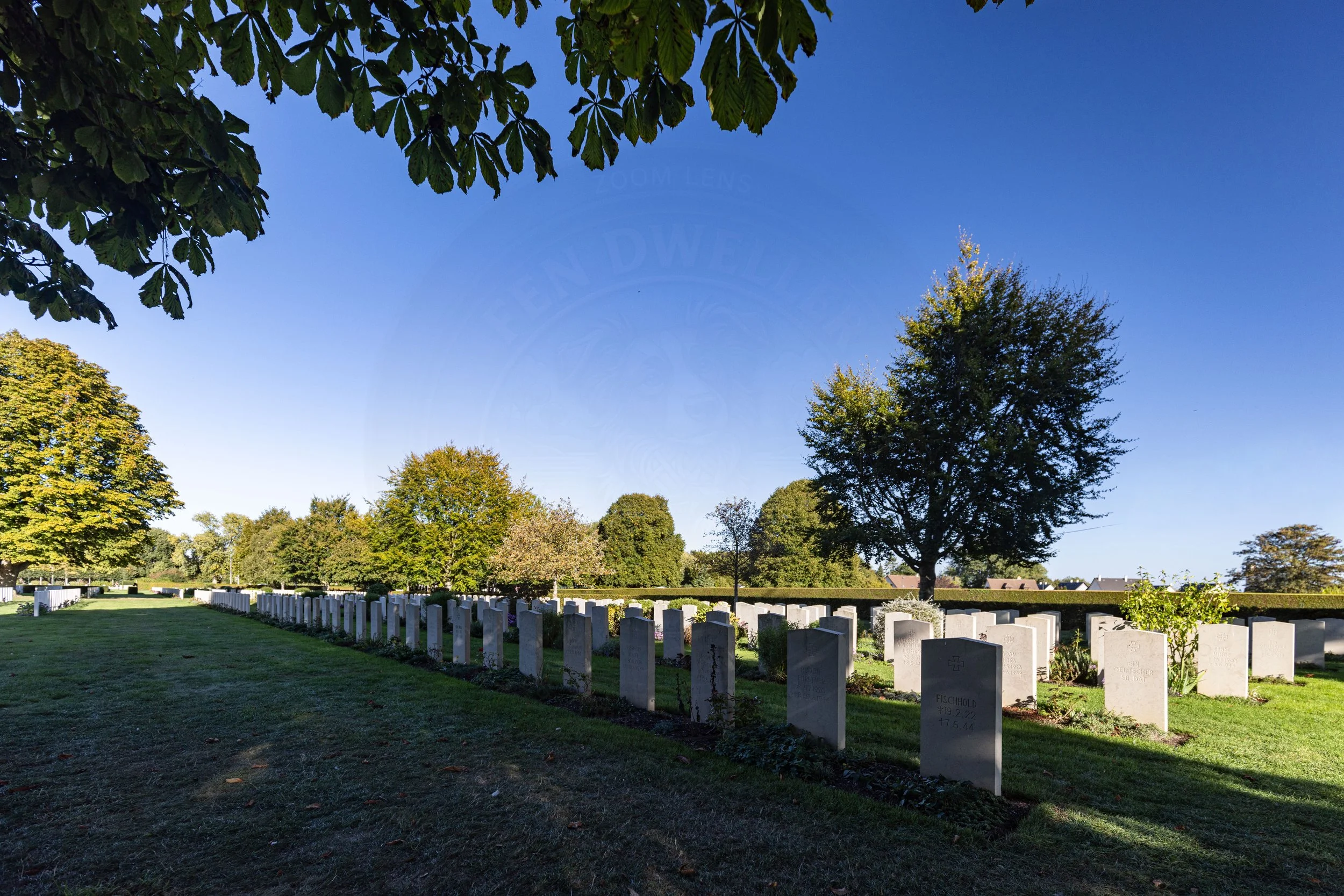
The Bayeux British Military Cemetery
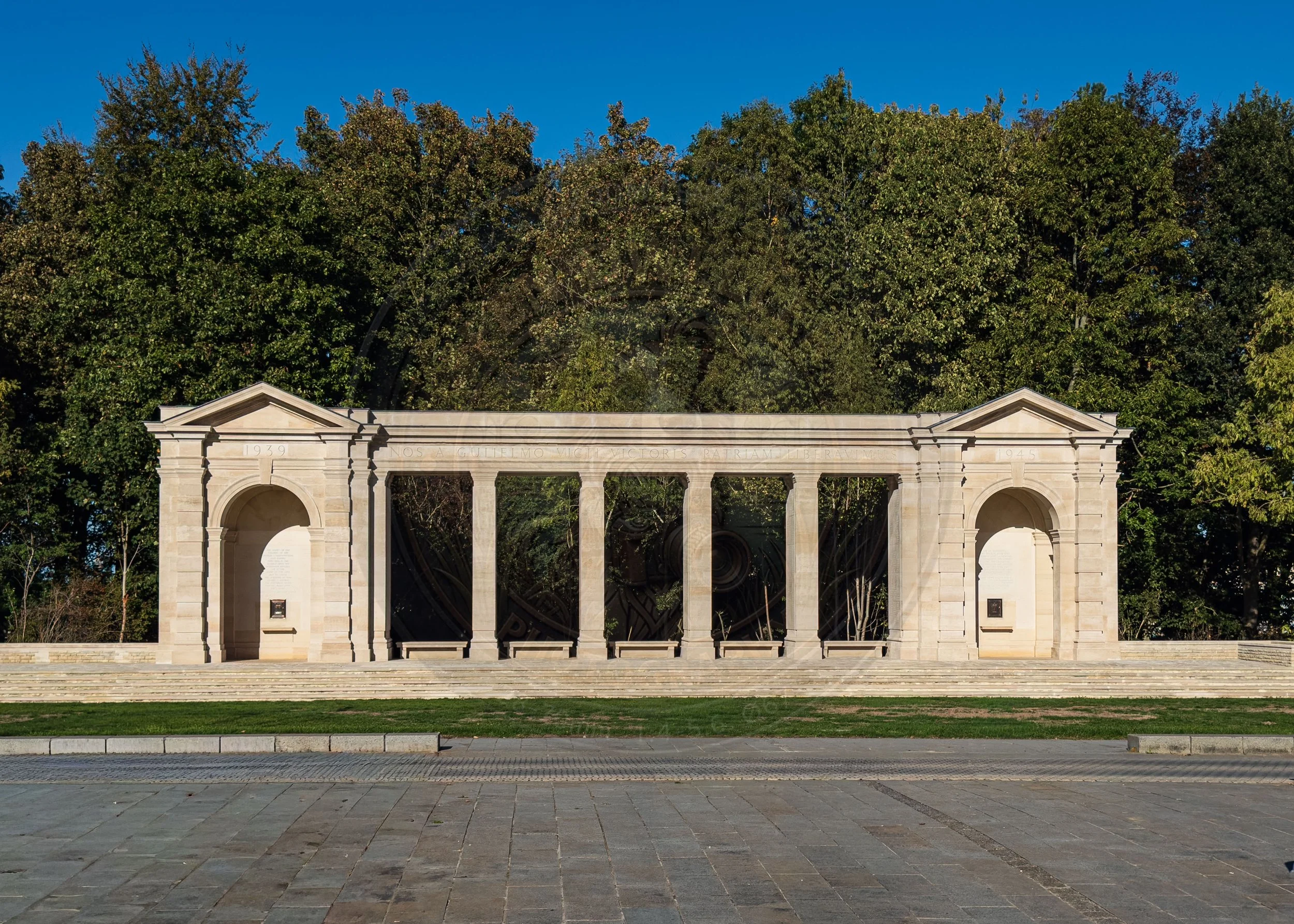
The Bayeux British Military Cemetery
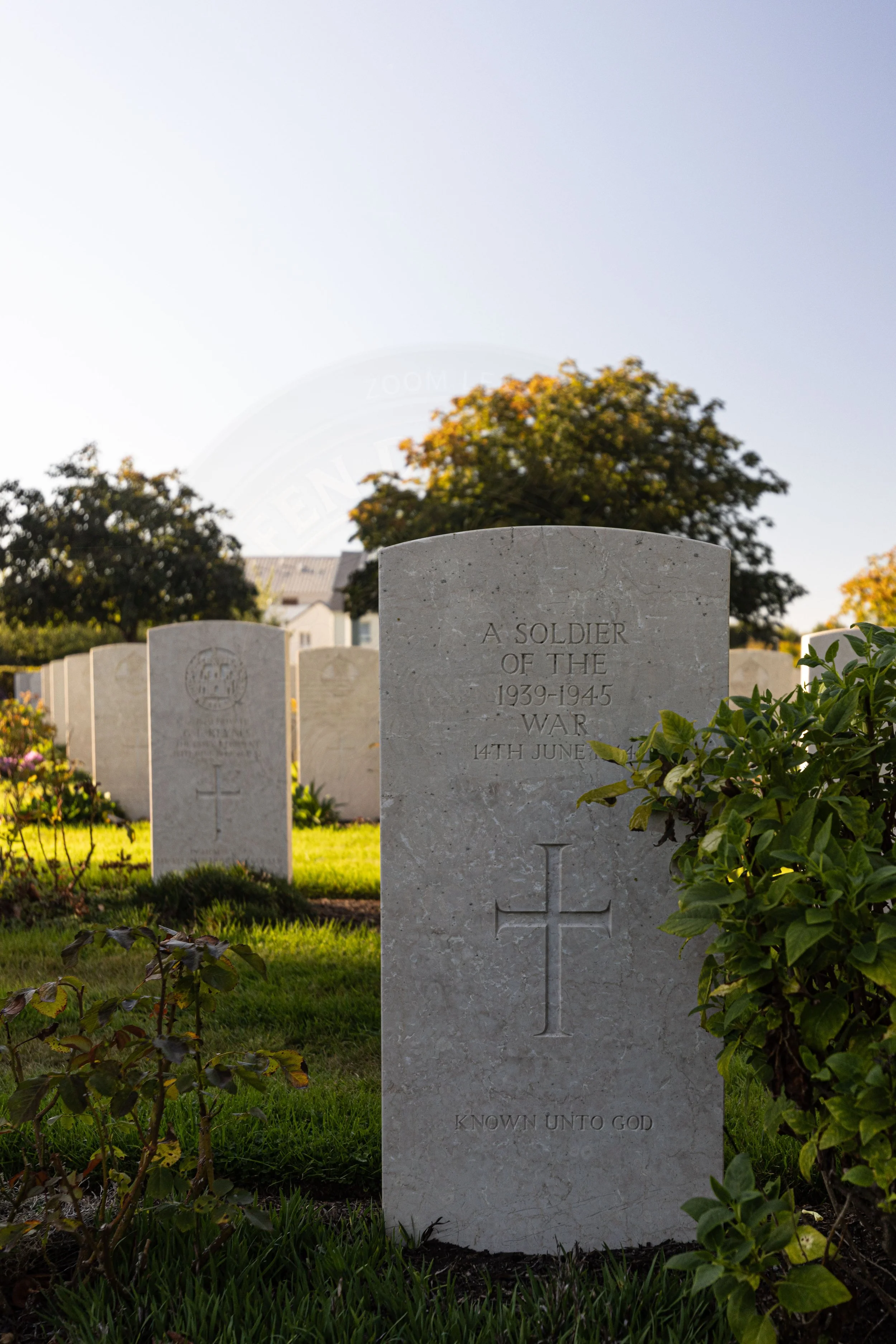
The Bayeux British Military Cemetery
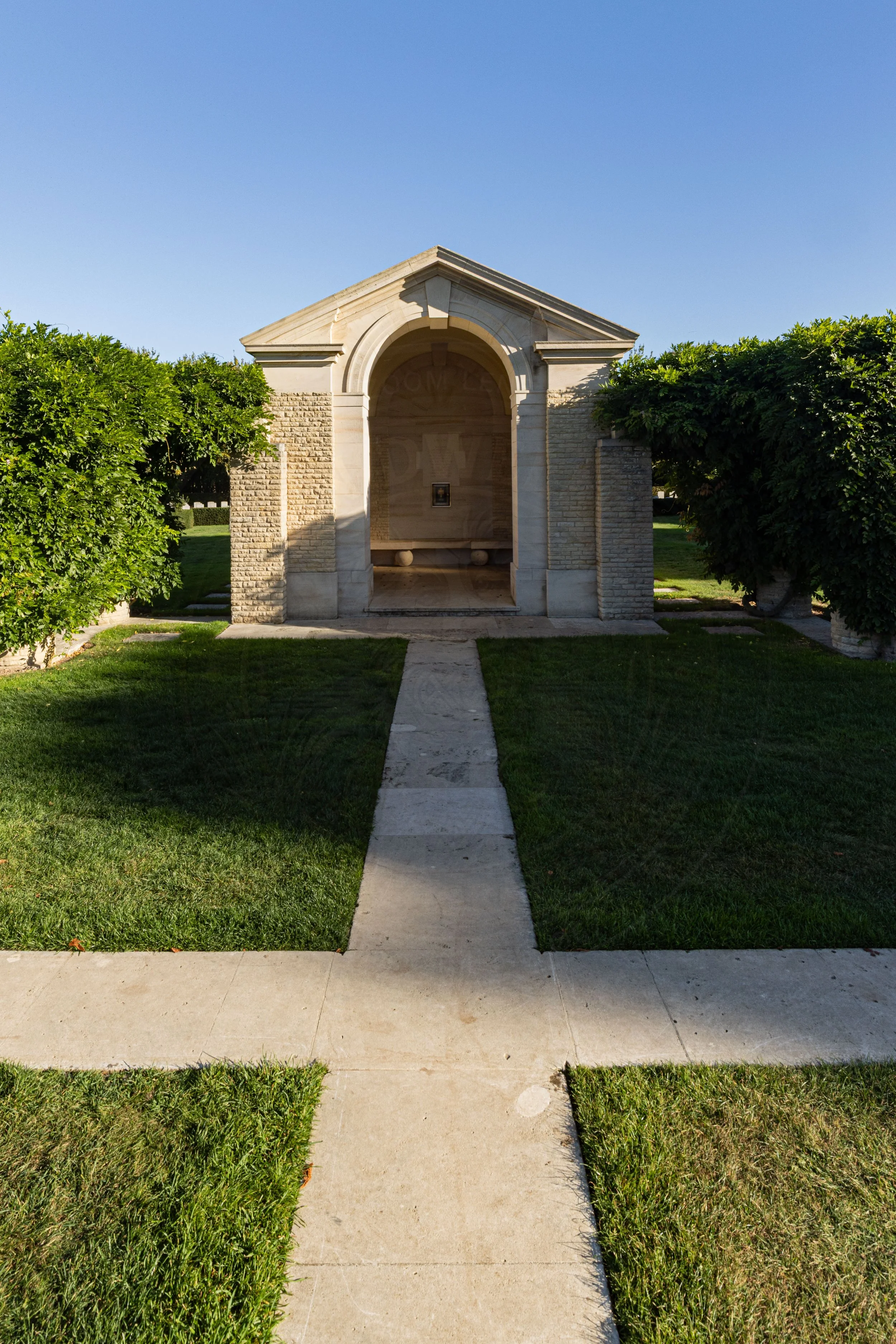
The Bayeux British Military Cemetery
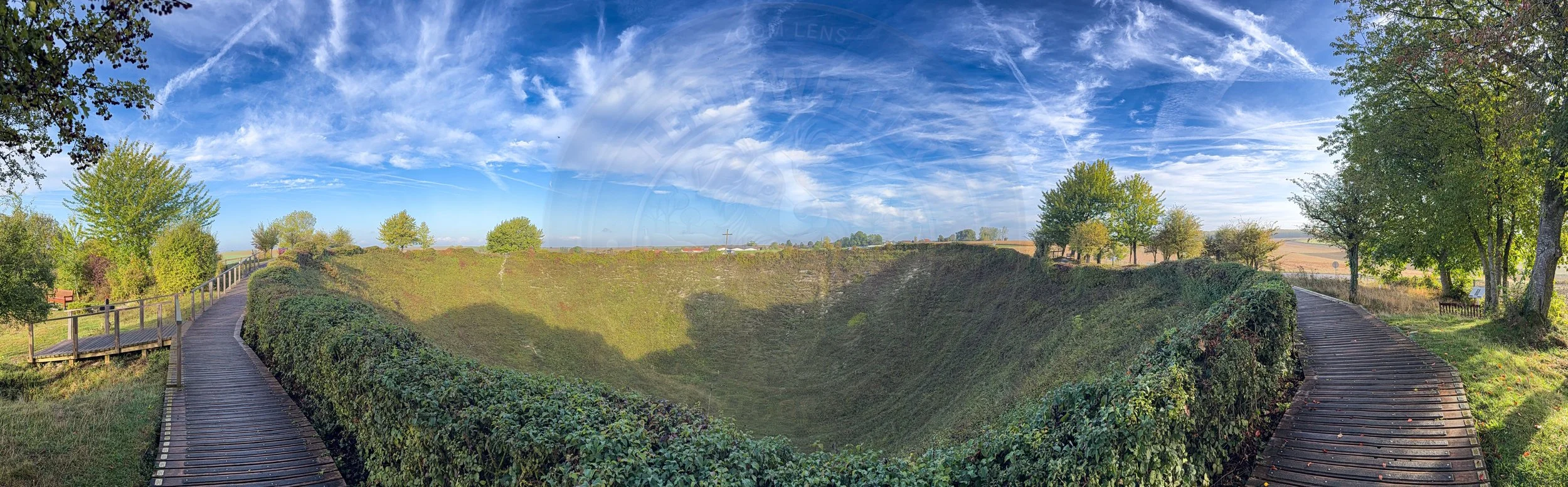
The Lochnagar Crater
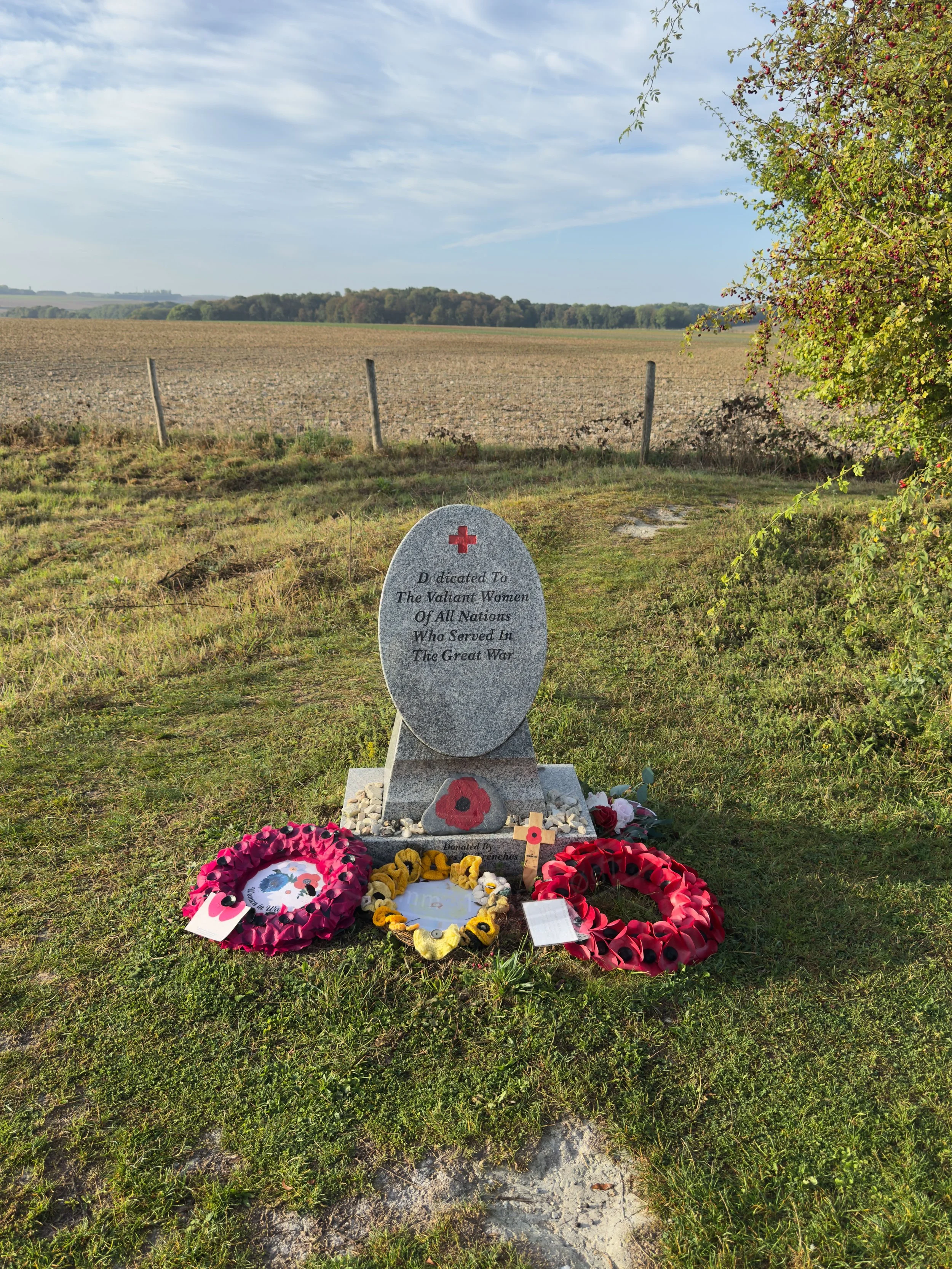
The Lochnagar Crater
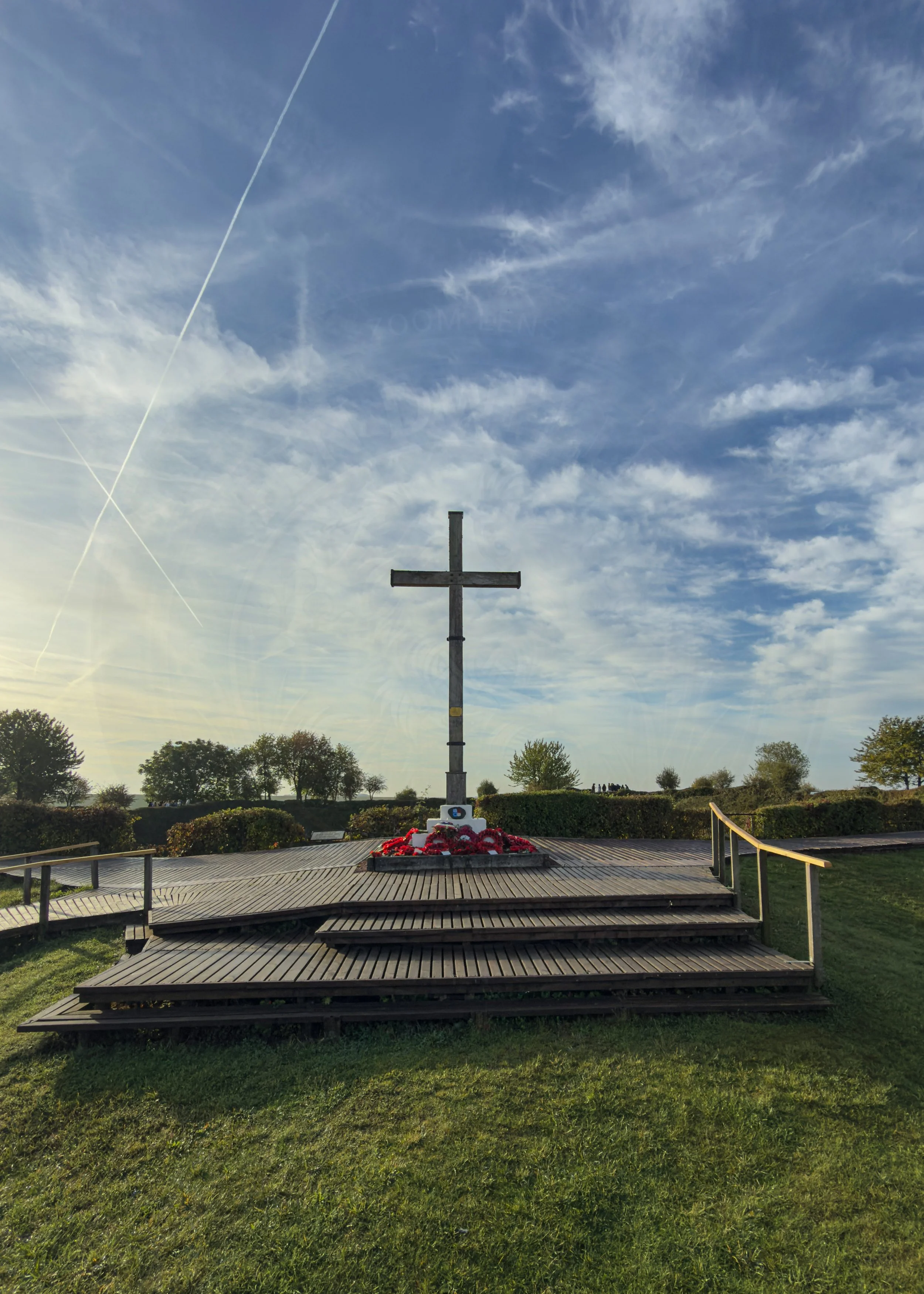
The Lochnagar Crater
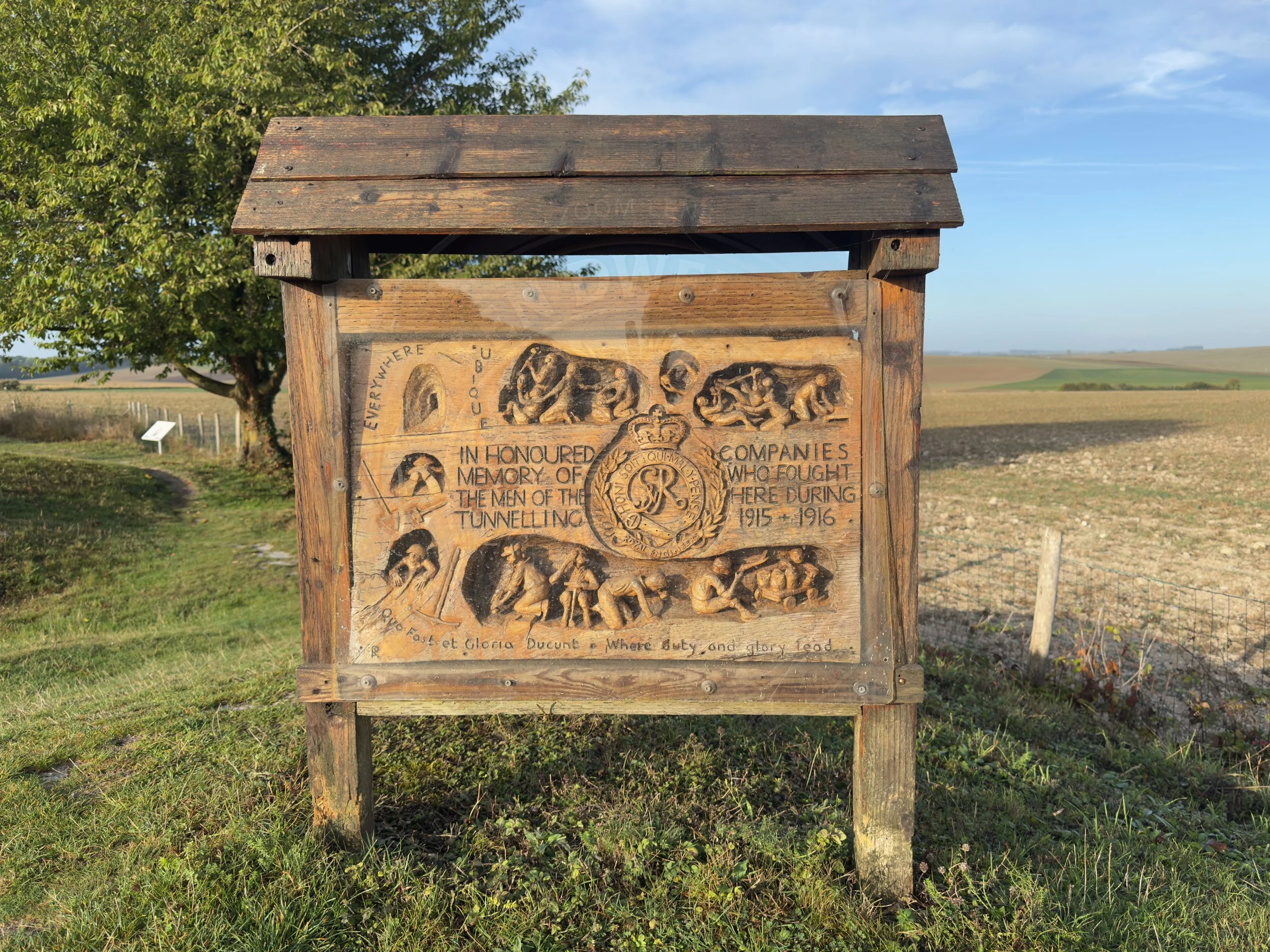
The Lochnagar Crater
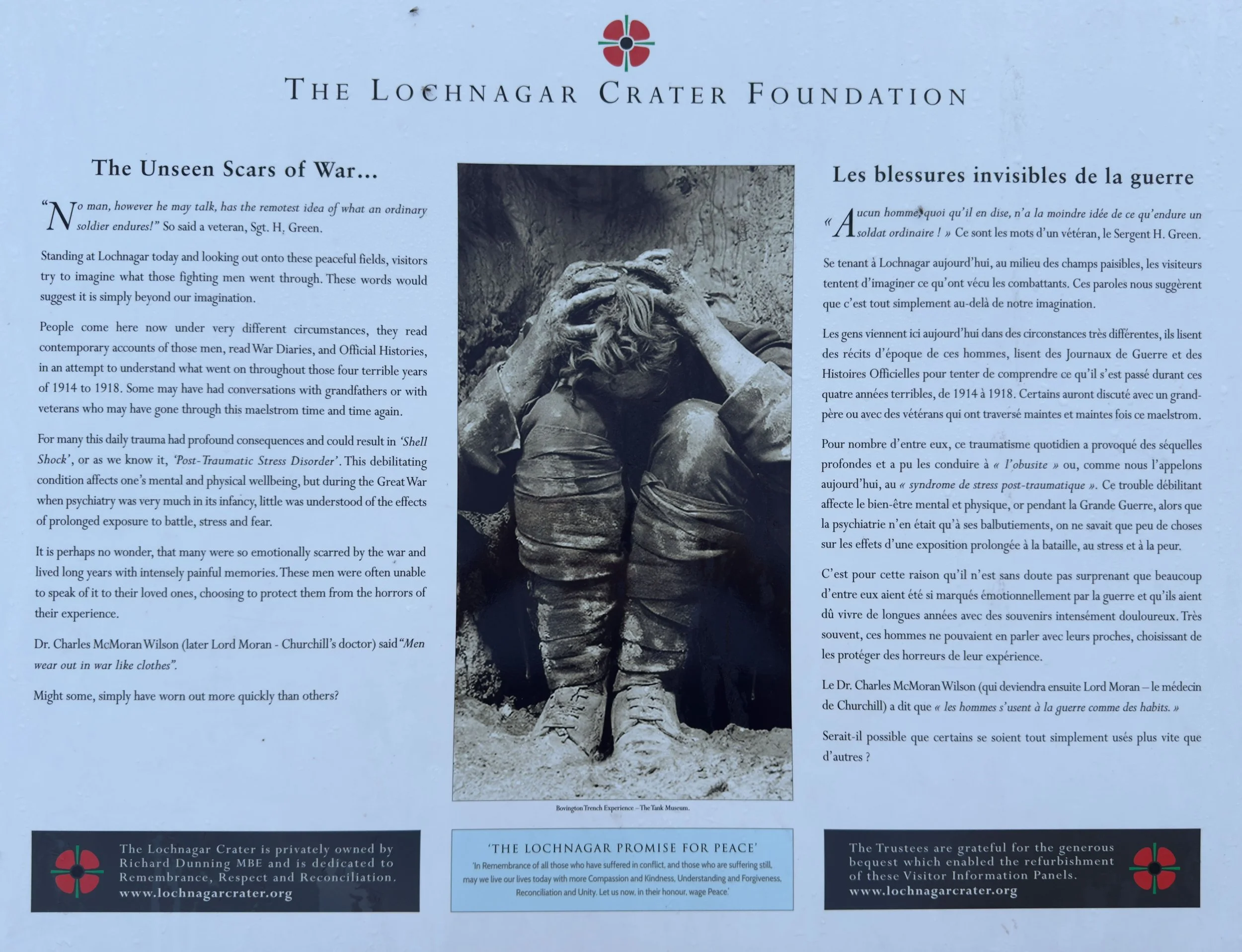
The Lochnagar Crater
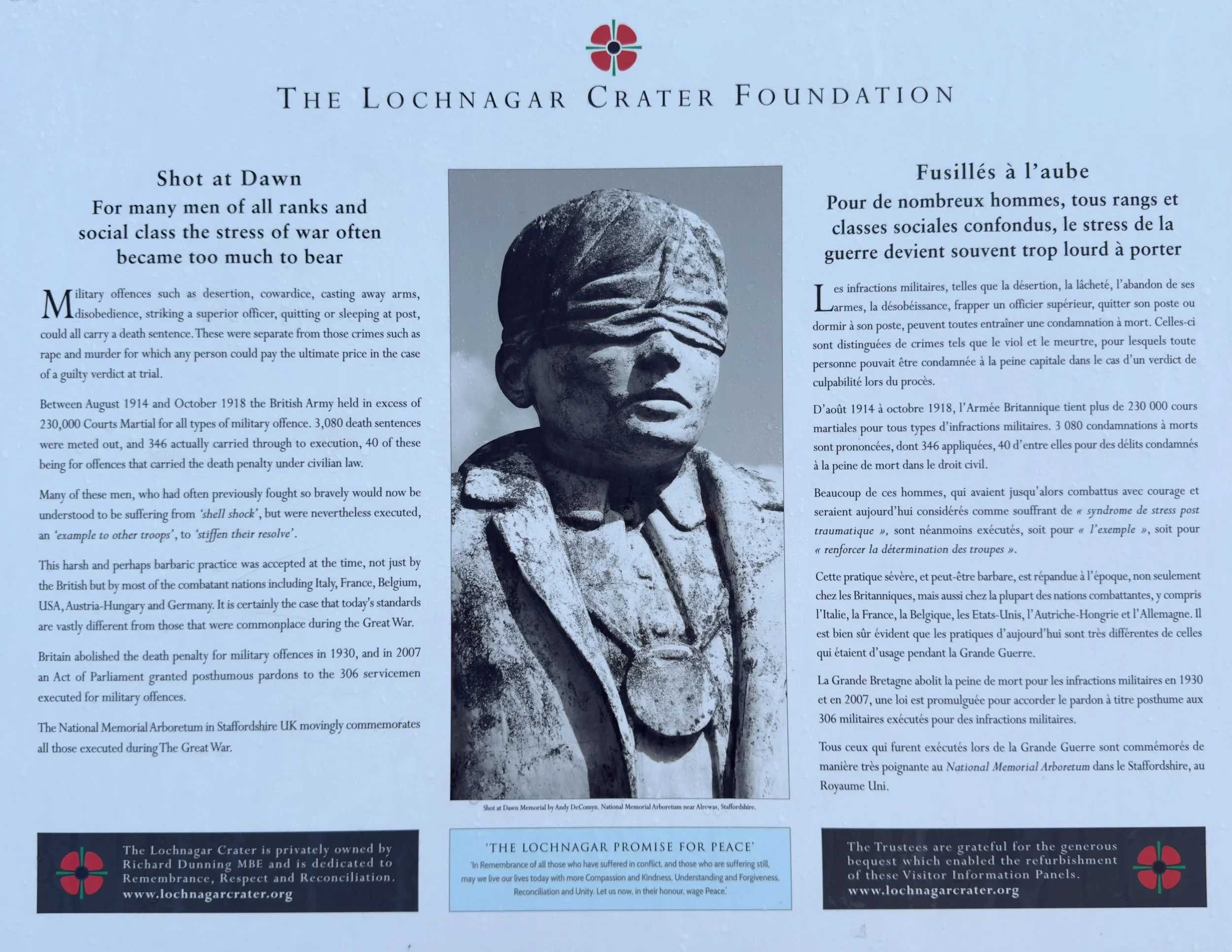
The Lochnagar Crater

The Lochnagar Crater
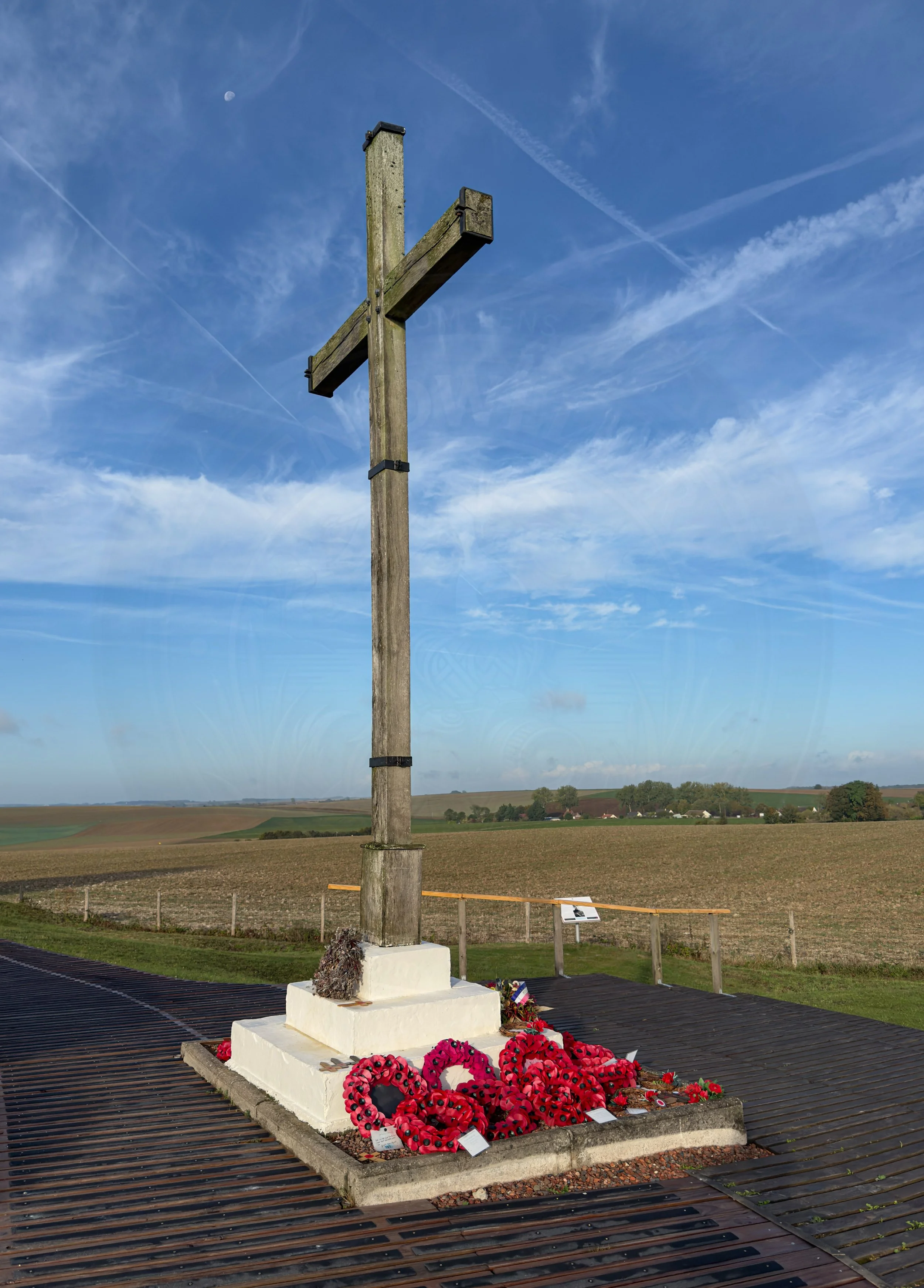
The Lochnagar Crater
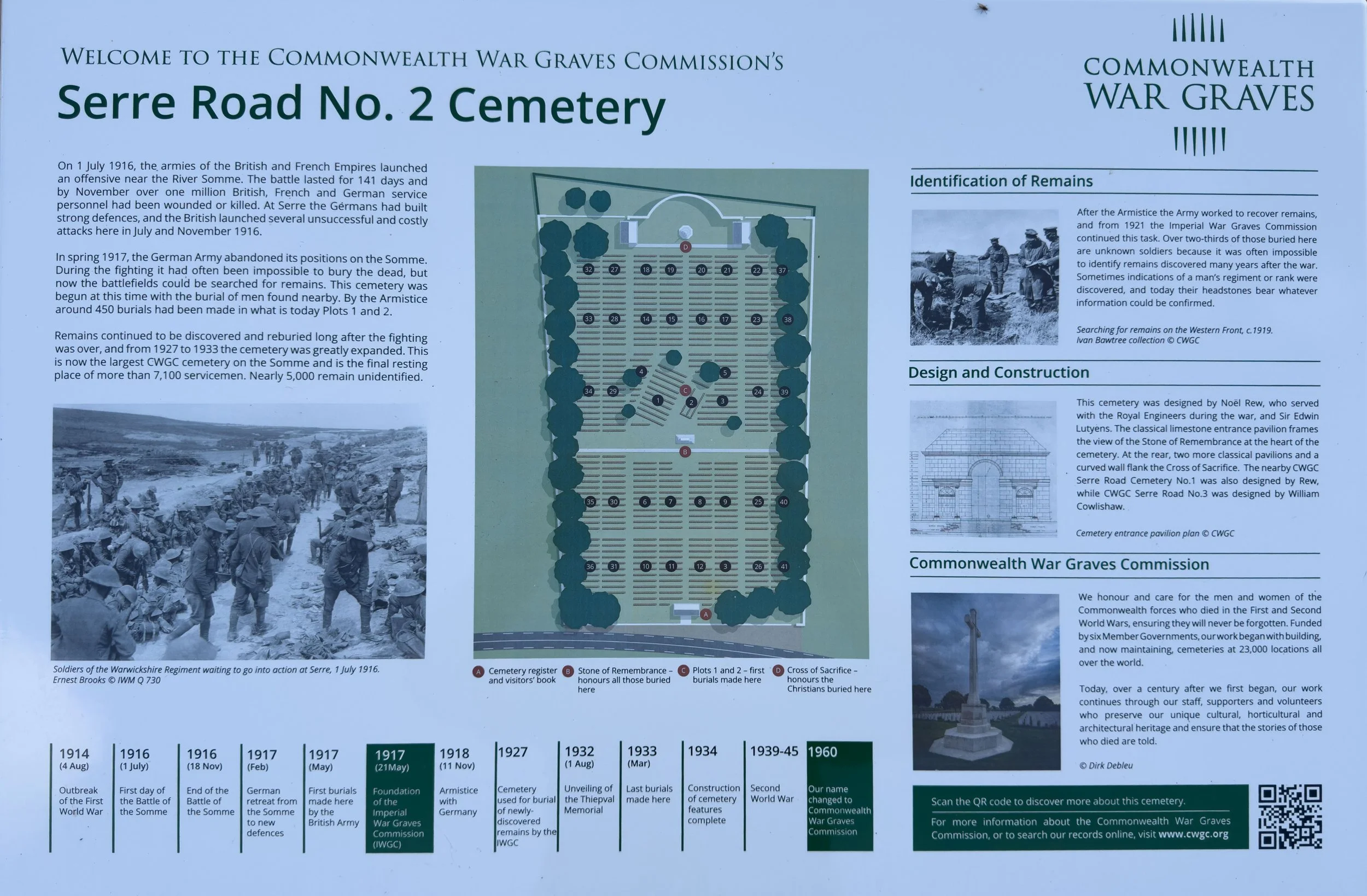
Serre Road Cemetery No2
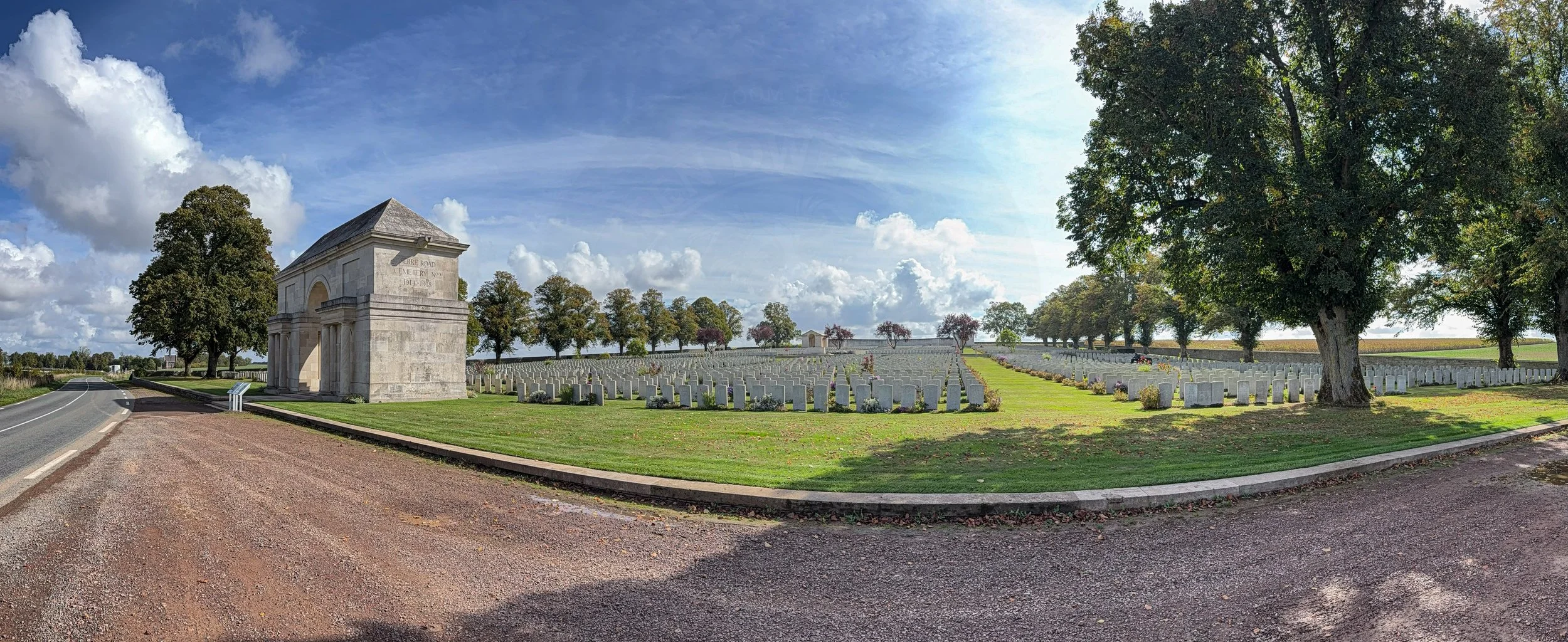
Serre Road Cemetery No2
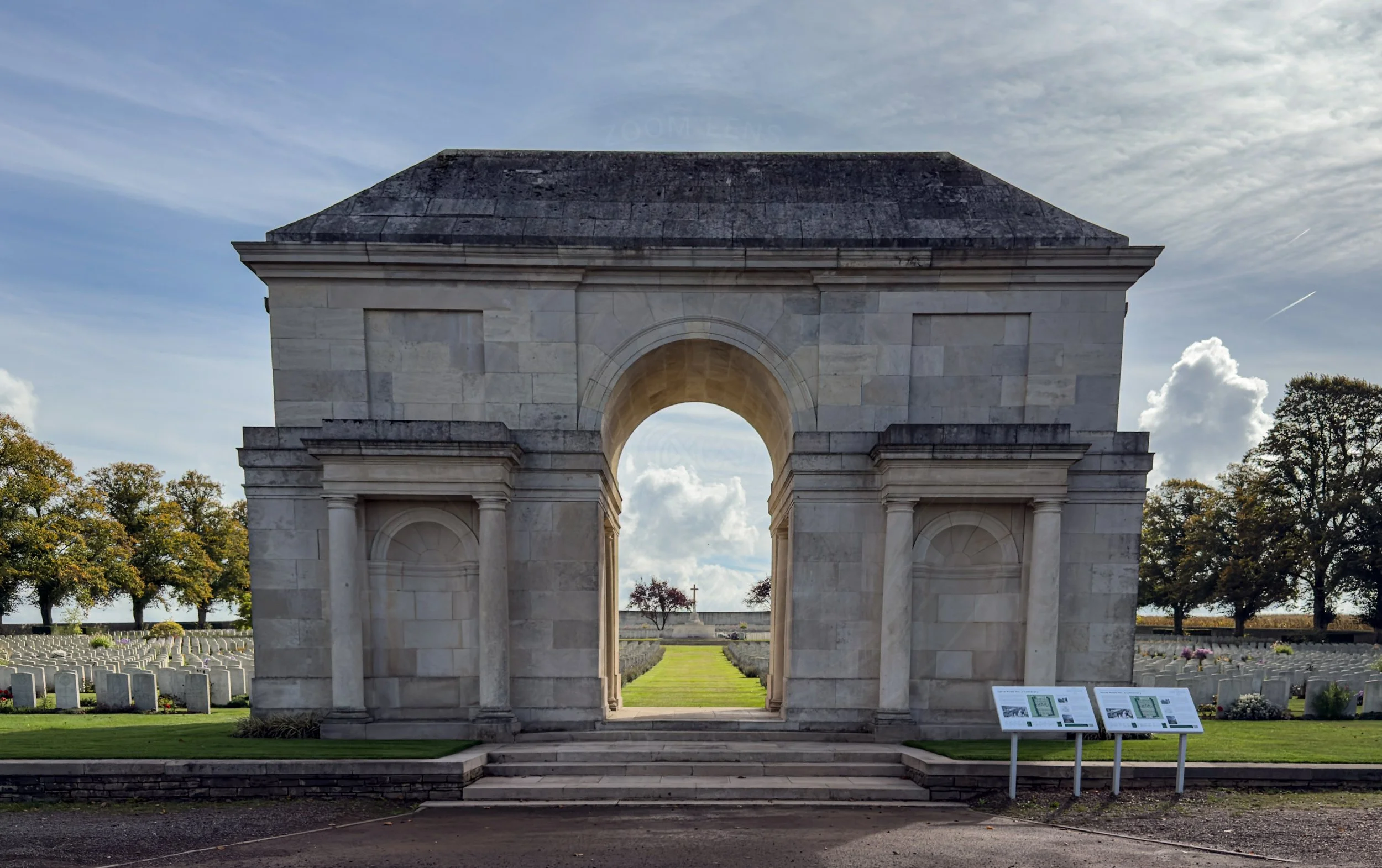
Seere Road Cemetery No2
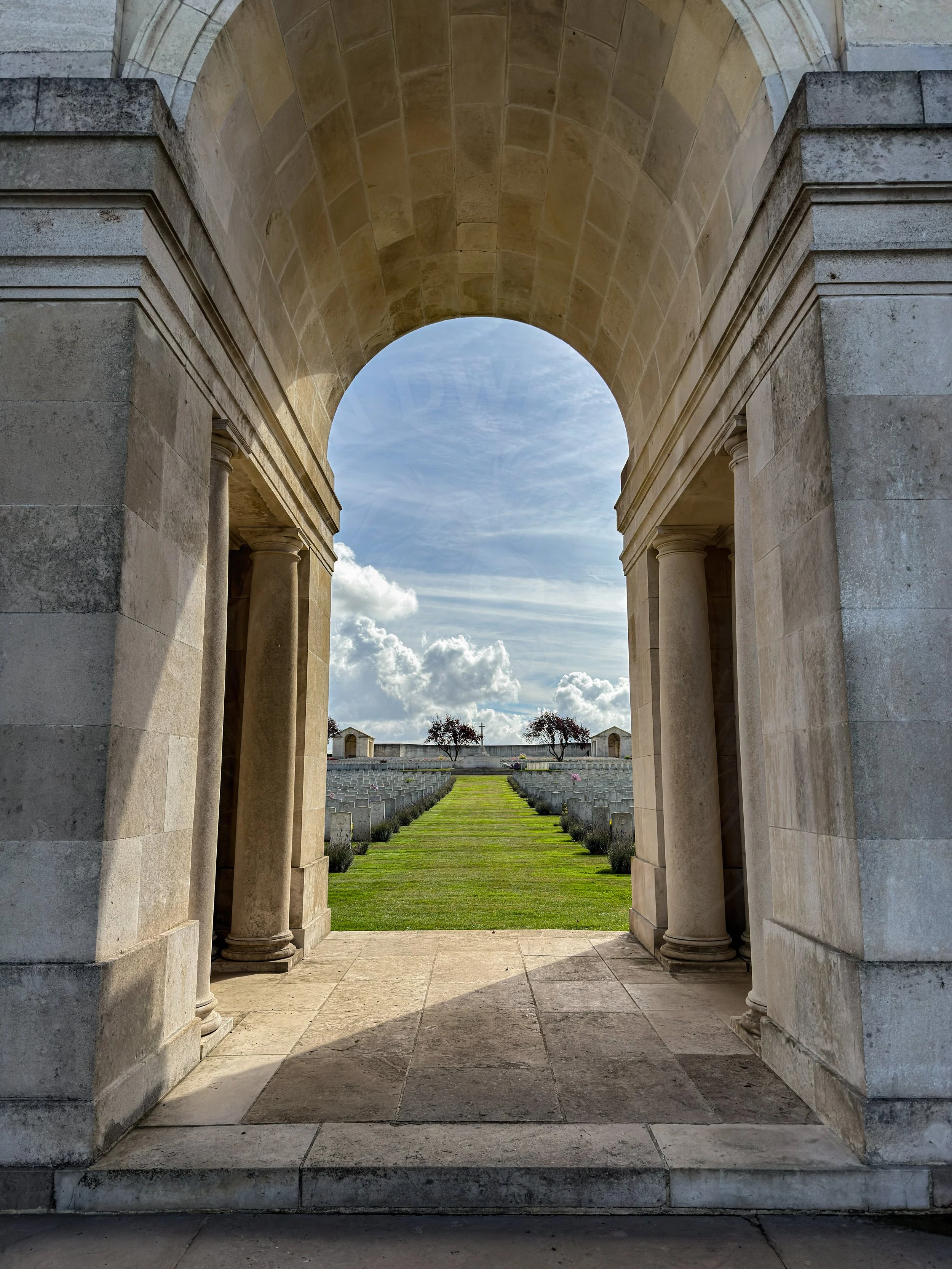
Seere Road Cemetery No2
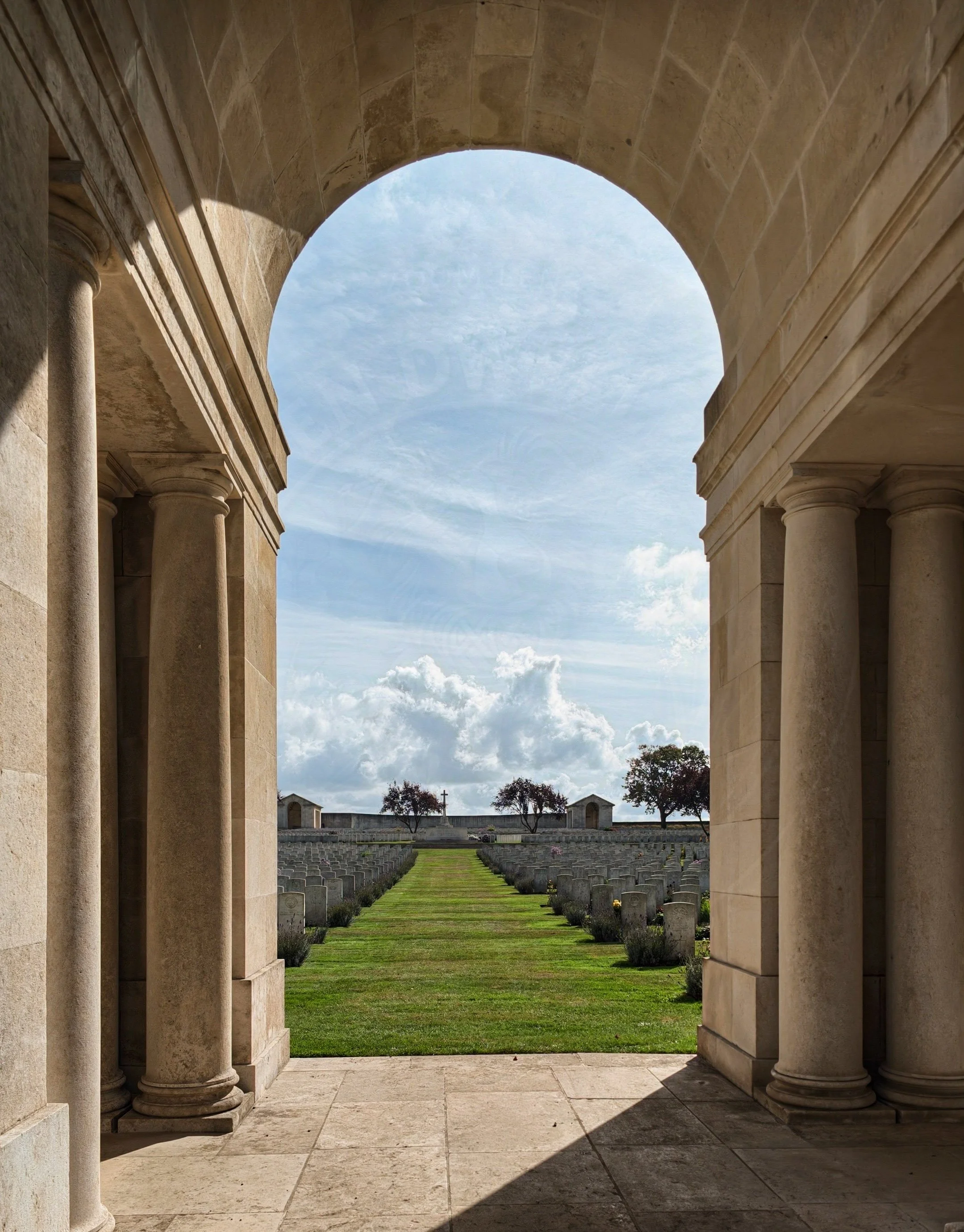
Seere Road Cemetery No2
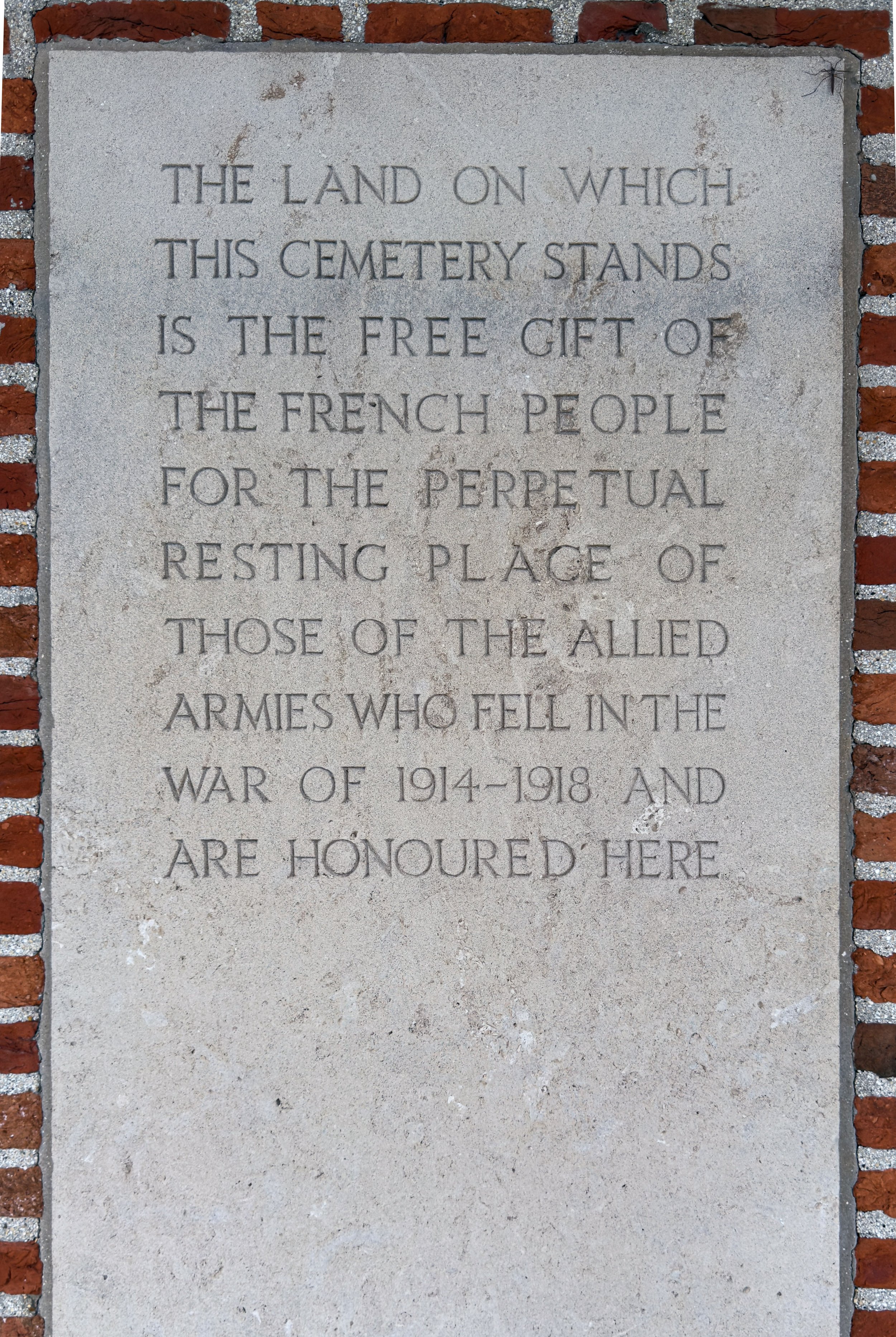
Péronne Road Cemetery
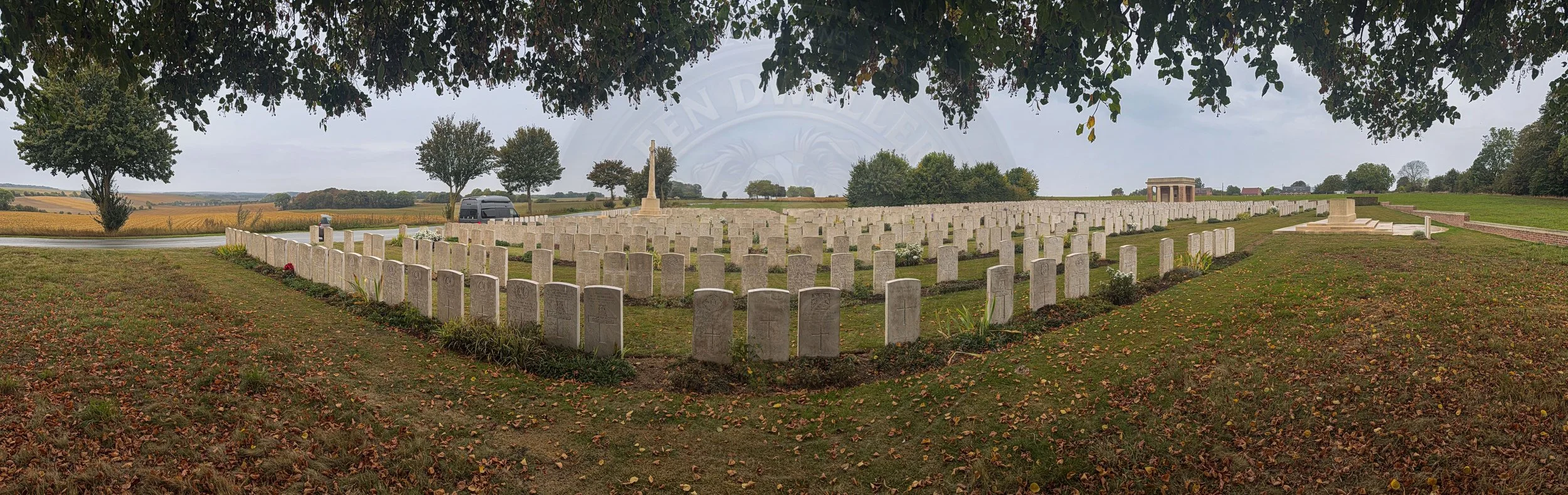
Péronne Road Cemetery
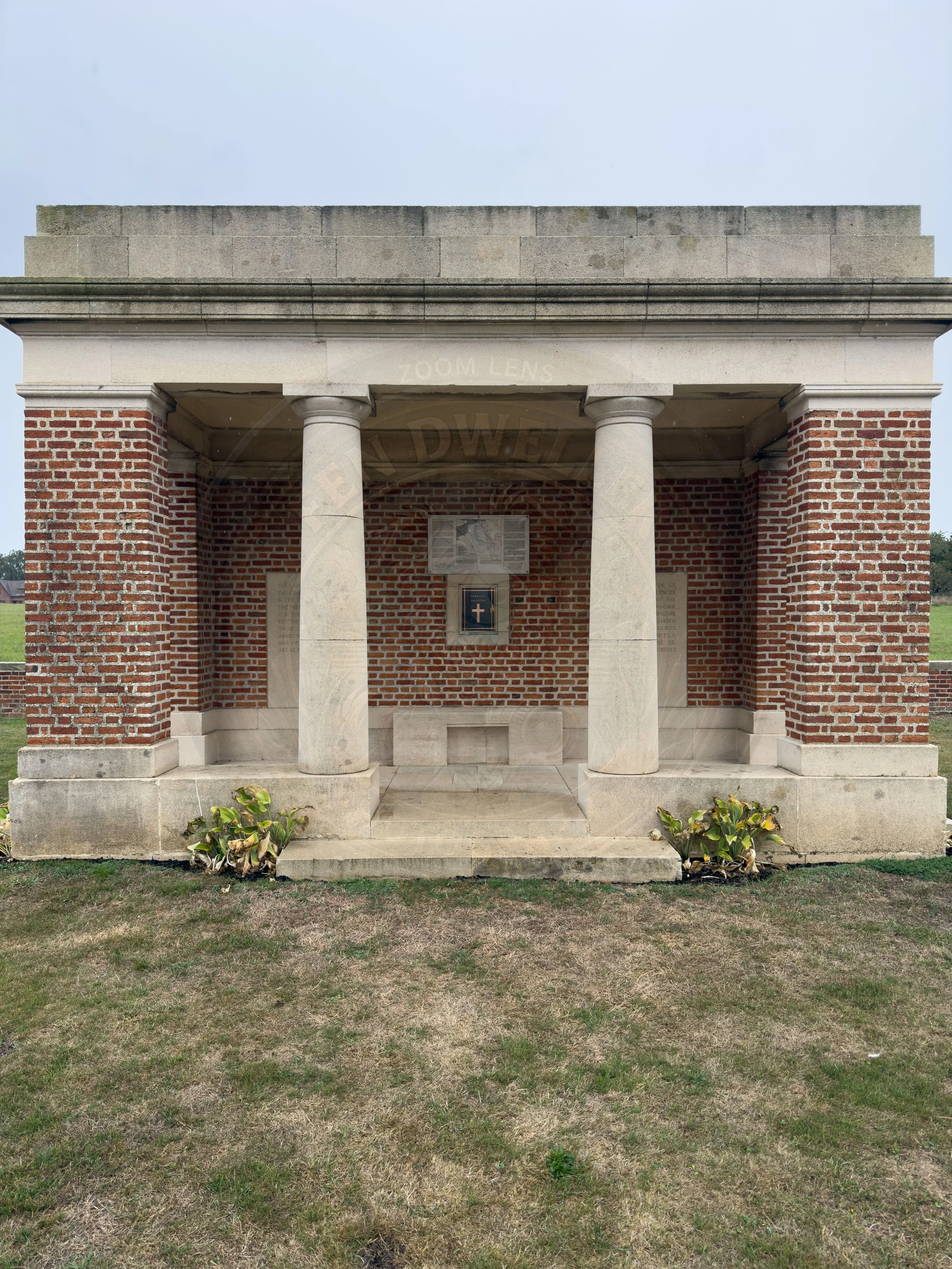
Péronne Road Cemetery
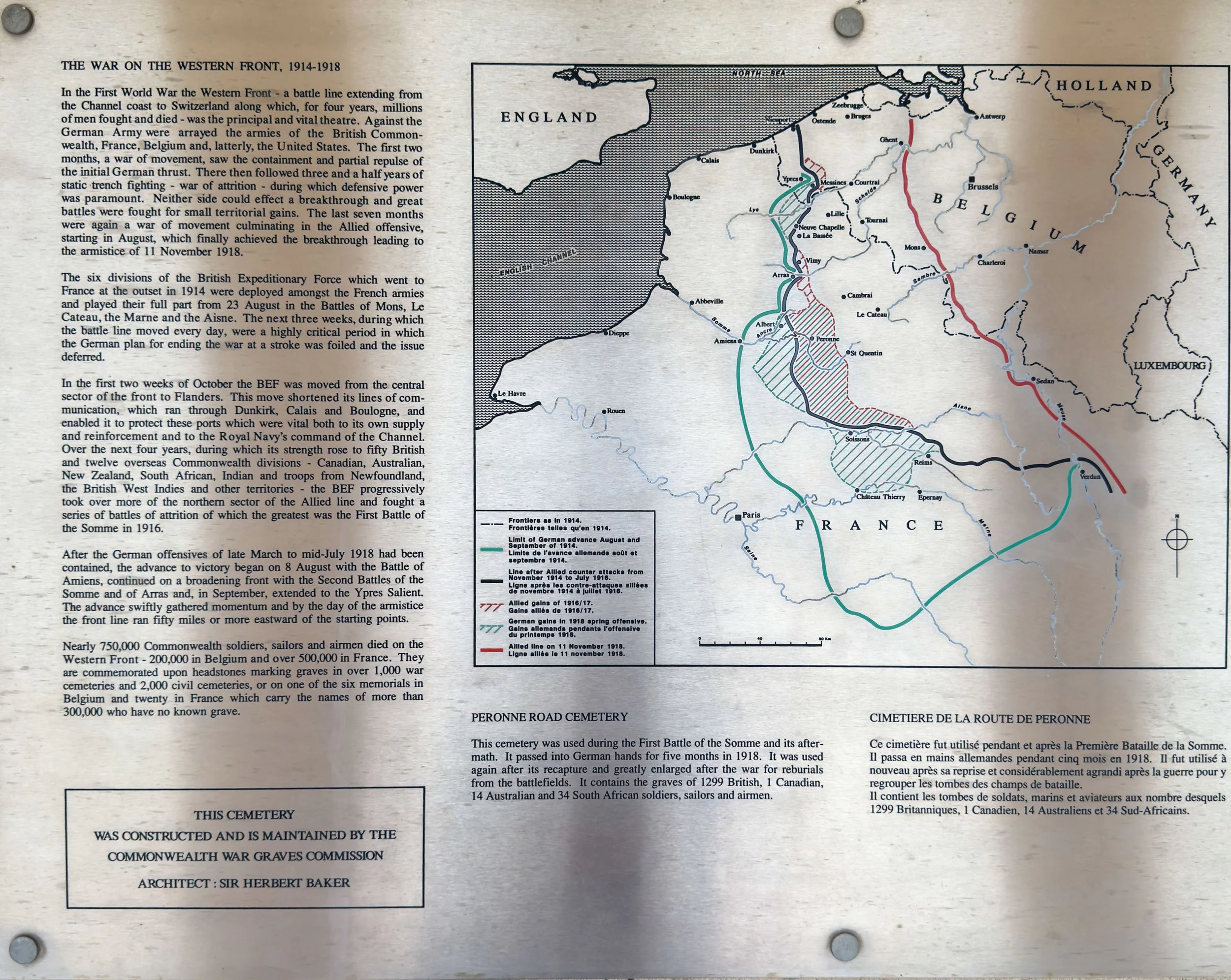
Péronne Road Cemetery
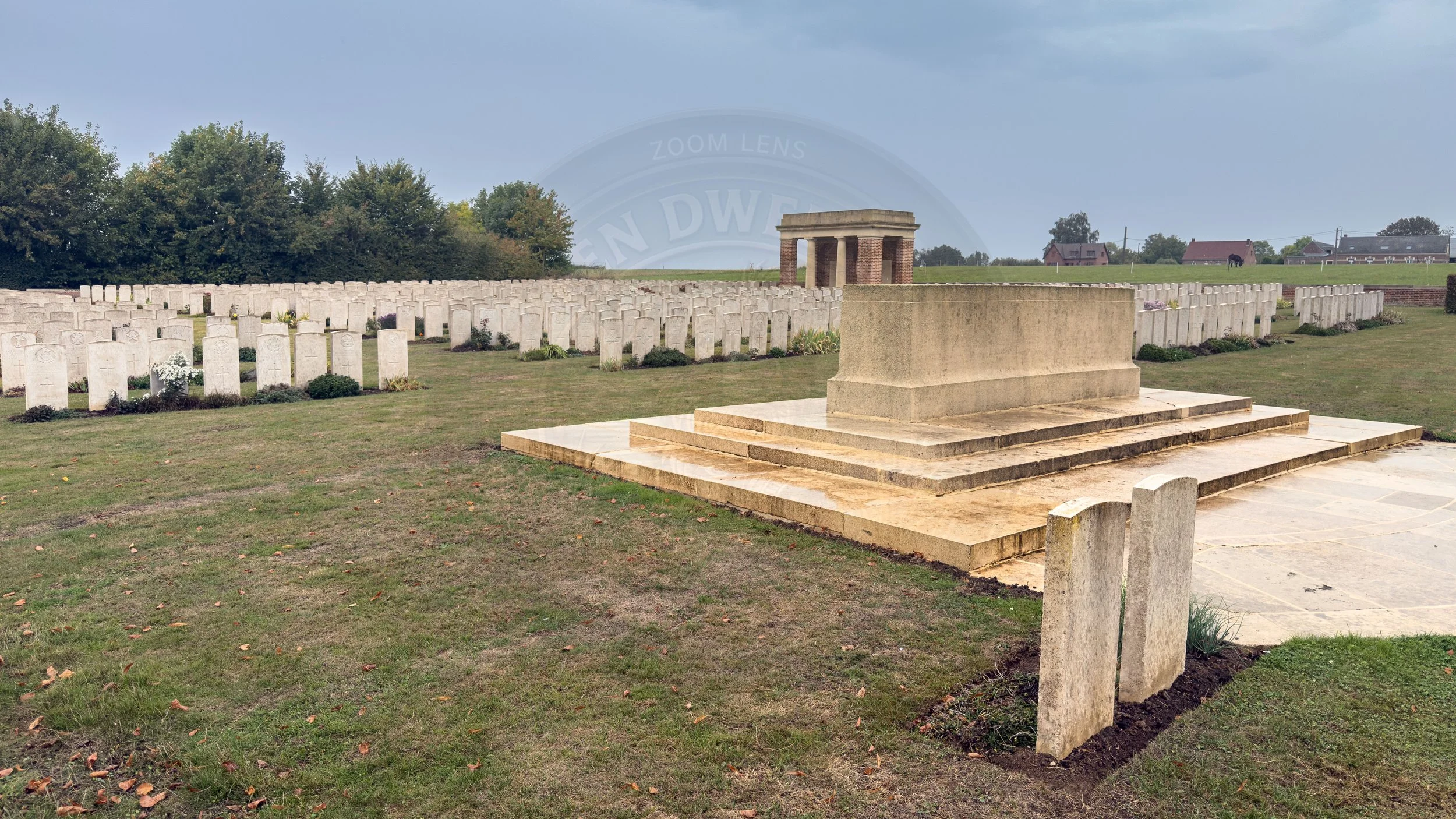
Péronne Road Cemetery