Auschwitz: History, Victims and Remembrance
Auschwitz was the largest camp complex established by Nazi Germany. Built near Oświęcim in German-occupied Poland, it became both a system of imprisonment and forced labour and a centre of mass murder during the Holocaust.Between 1940 and 1945, at least 1.3 million people were deported to Auschwitz. More than 1.1 million were murdered there, including about one million Jewish people.
The SS established Auschwitz in 1940, initially to imprison Polish political prisoners. The complex expanded rapidly and eventually included three principal camps and dozens of subcamps.
The Camp Complex
Auschwitz I
The original and administrative centre of the complex. Prisoners were subjected to forced labour, starvation, violence, executions and medical experiments.
Auschwitz II-Birkenau
The largest part of the complex and its principal killing centre. From 1942, Jewish people were deported there from across German-occupied Europe. Most were murdered in gas chambers soon after arrival; others were selected for forced labour.
Auschwitz III-Monowitz
A forced-labour camp linked to industrial production. Prisoners worked in brutal conditions, with hunger, disease and exhaustion causing many deaths.
Life, Resistance and Liberation
Jewish people were the largest group deported to Auschwitz and the overwhelming majority of those murdered. Victims also included non-Jewish Poles, Roma and Sinti people, Soviet prisoners of war, political prisoners and people from many other persecuted groups.
Prisoners endured deliberate dehumanisation, hunger, disease, forced labour and extreme violence. Some resisted through clandestine activity, escape attempts and the preservation of evidence. On 7 October 1944, prisoners in the Sonderkommando staged an uprising and damaged one of the crematoria.
As Soviet forces approached in January 1945, the SS evacuated tens of thousands of prisoners on death marches and attempted to destroy evidence of its crimes. At the same time, the SS were burning the camp records. On January 20, they blew up crematoria and gas chambers II and III in Birkenau. Just after the end of the evacuation, on January 23, they set fire to Kanada II, the warehouse full of property plundered from the Jews. Three days later, they blew up gas chamber and crematorium V. When Red Army troops entered the grounds of the camp on the 27th, they found about 7 thousand prisoners there, most of them sick and at the limits of physical exhaustion.
Explore further information from the Auschwitz-Birkenau Memorial and Museum and the United States Holocaust Memorial Museum.
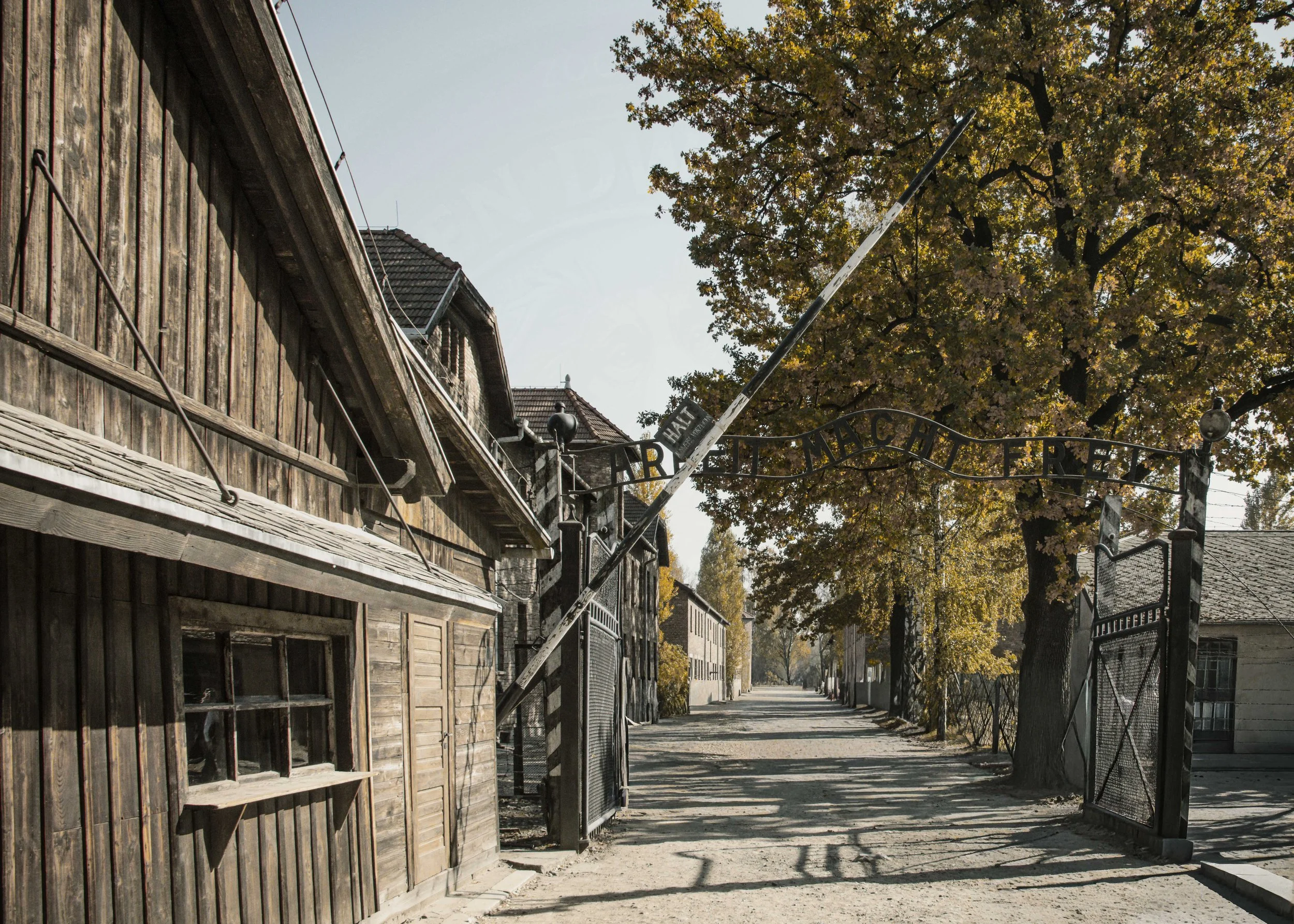
Entrance to Auschwitz I with the words ‘Work Sets You Free’ above the gate. The phrase comes from a 19th-century novel by German writer Lorenz Diefenbach. The iron sign was forged in late 1940 or early 1941 by Polish political prisoners. The letter "B" in "Arbeit" is crafted upside down. While some interpret this as a deliberate act of prisoner defiance, historians note it may have been an accidental error during assembly.
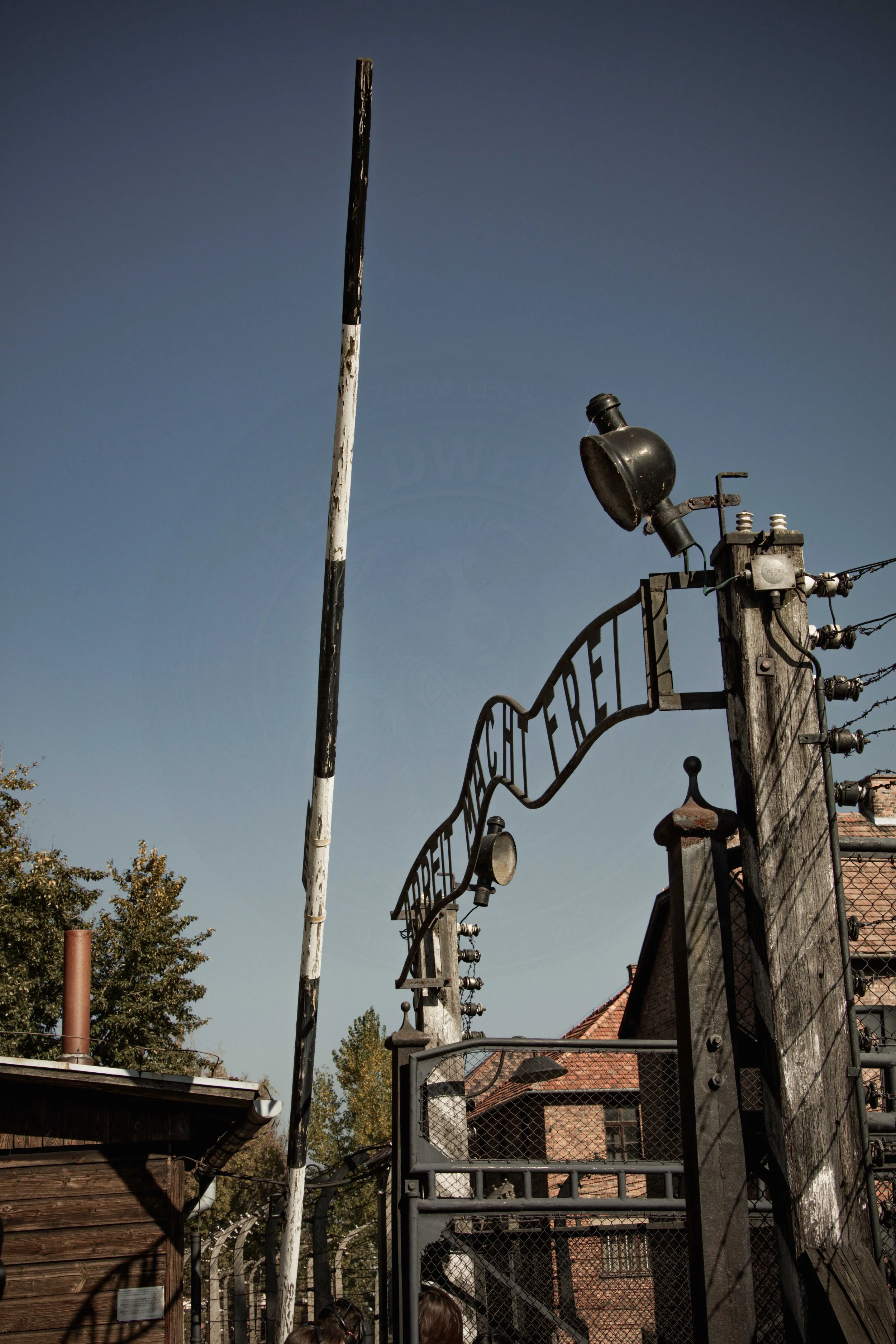
Entrance to Auschwitz I (Work Sets You Free)
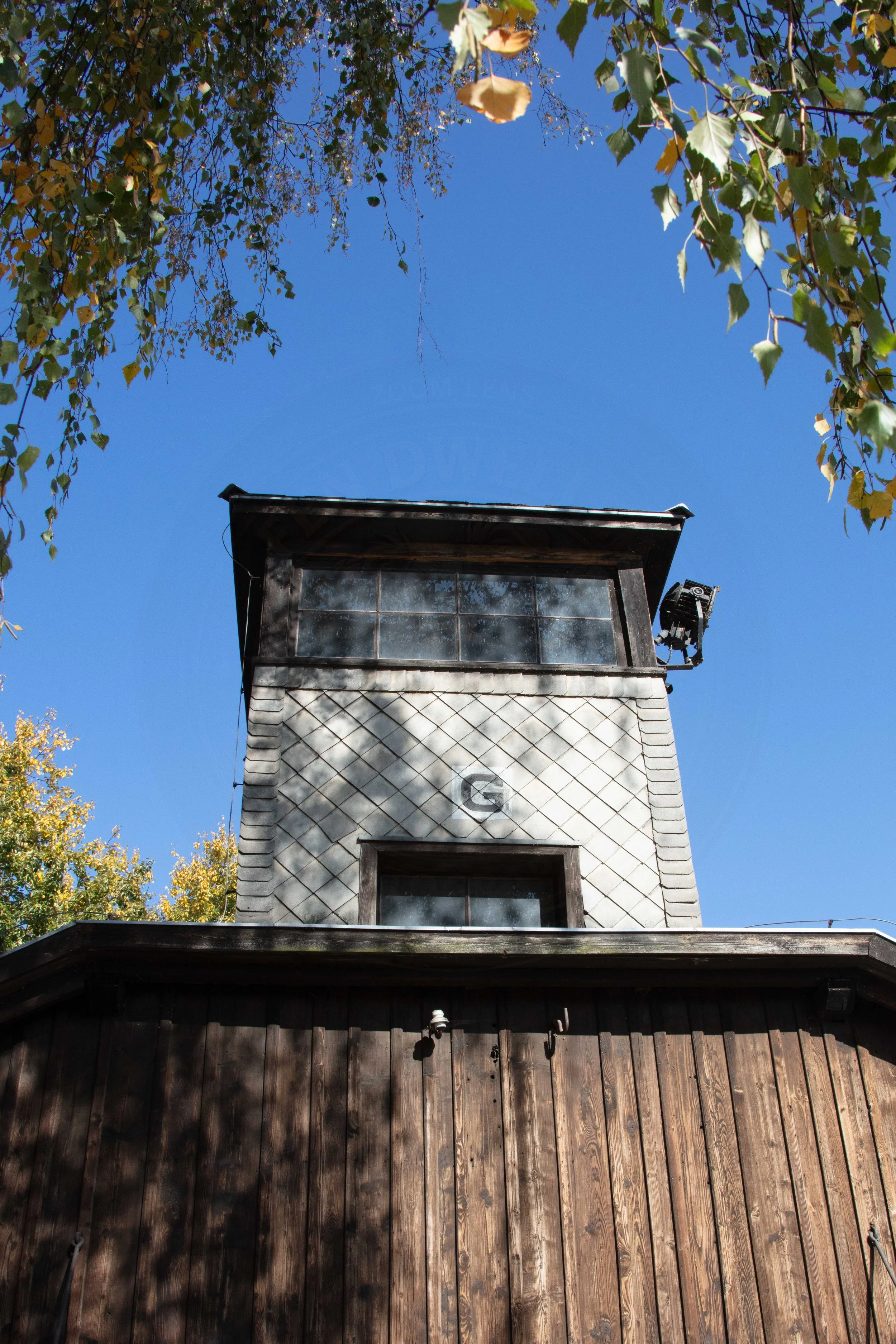
Watch Tower at entrance to Auschwitz I
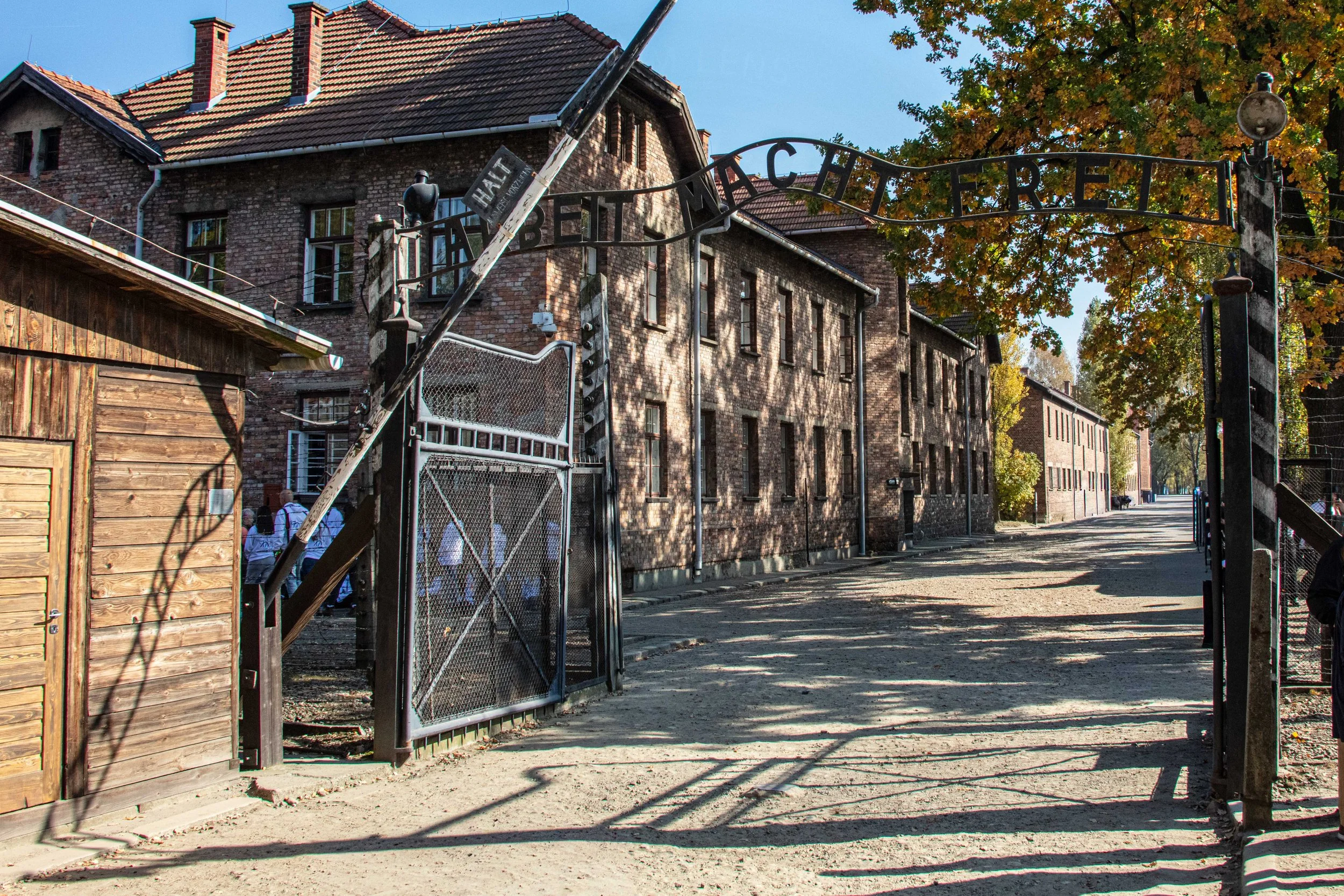
Entrance to Auschwitz I (Work Sets You Free)
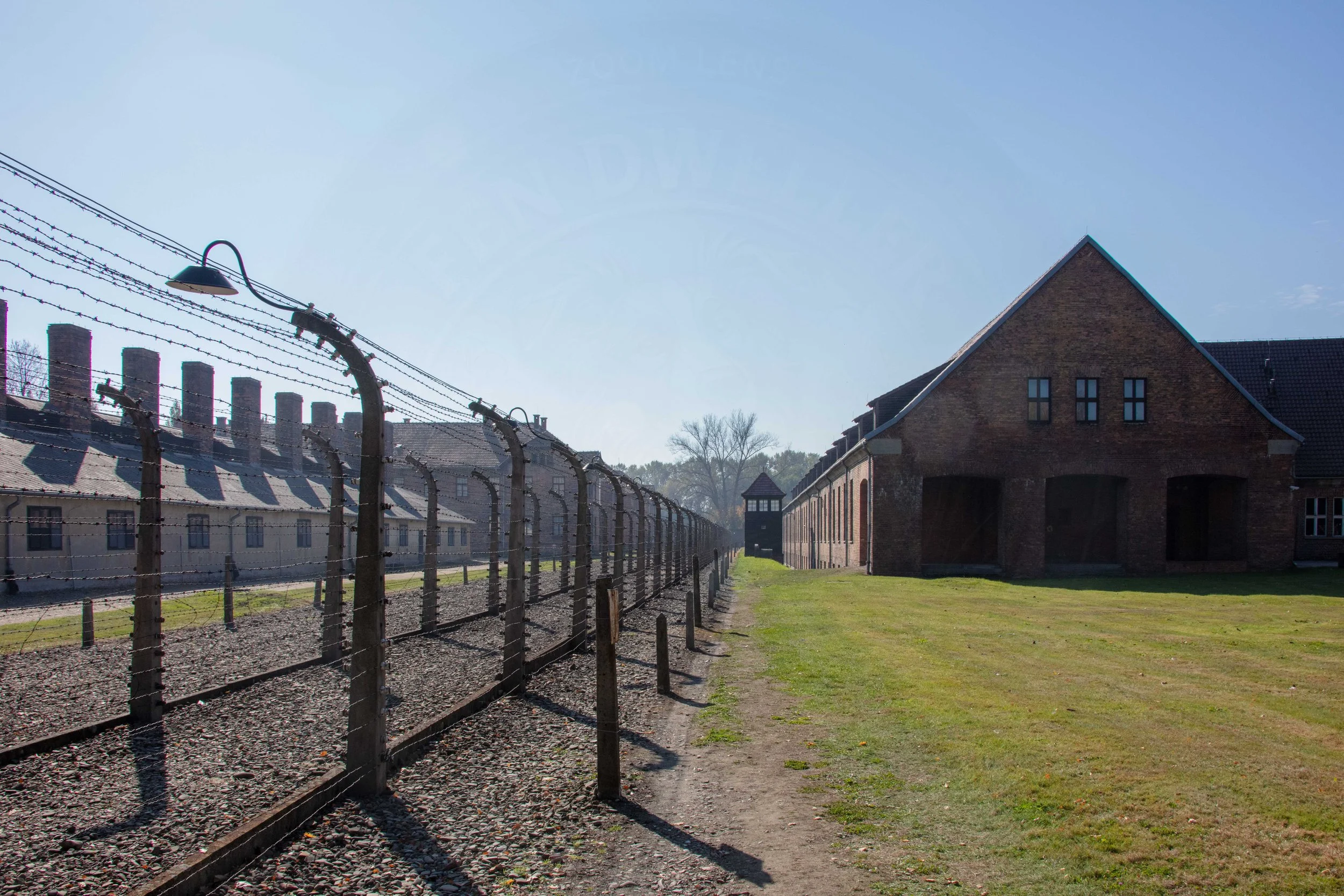
Auschwitz I
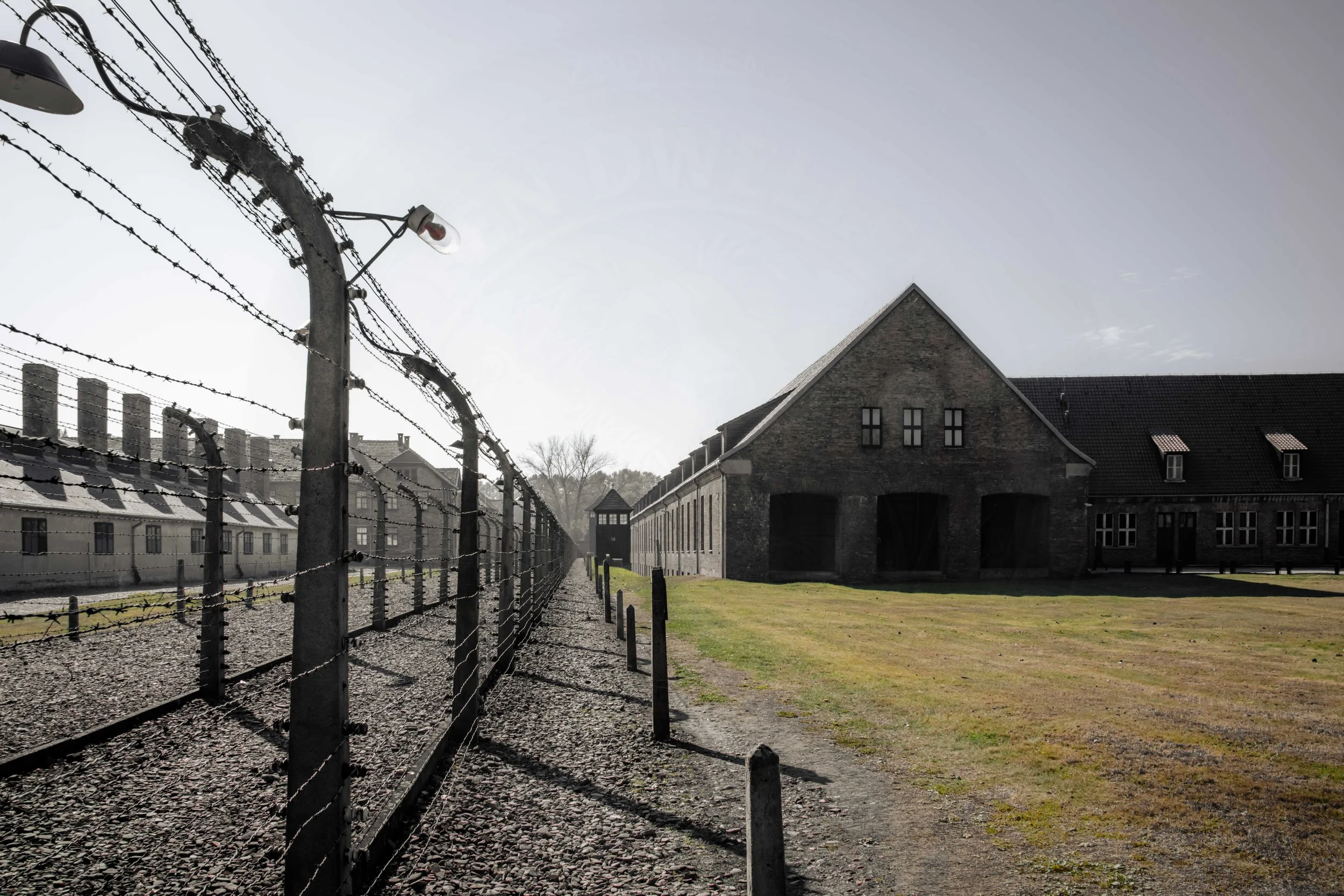
Auschwitz I
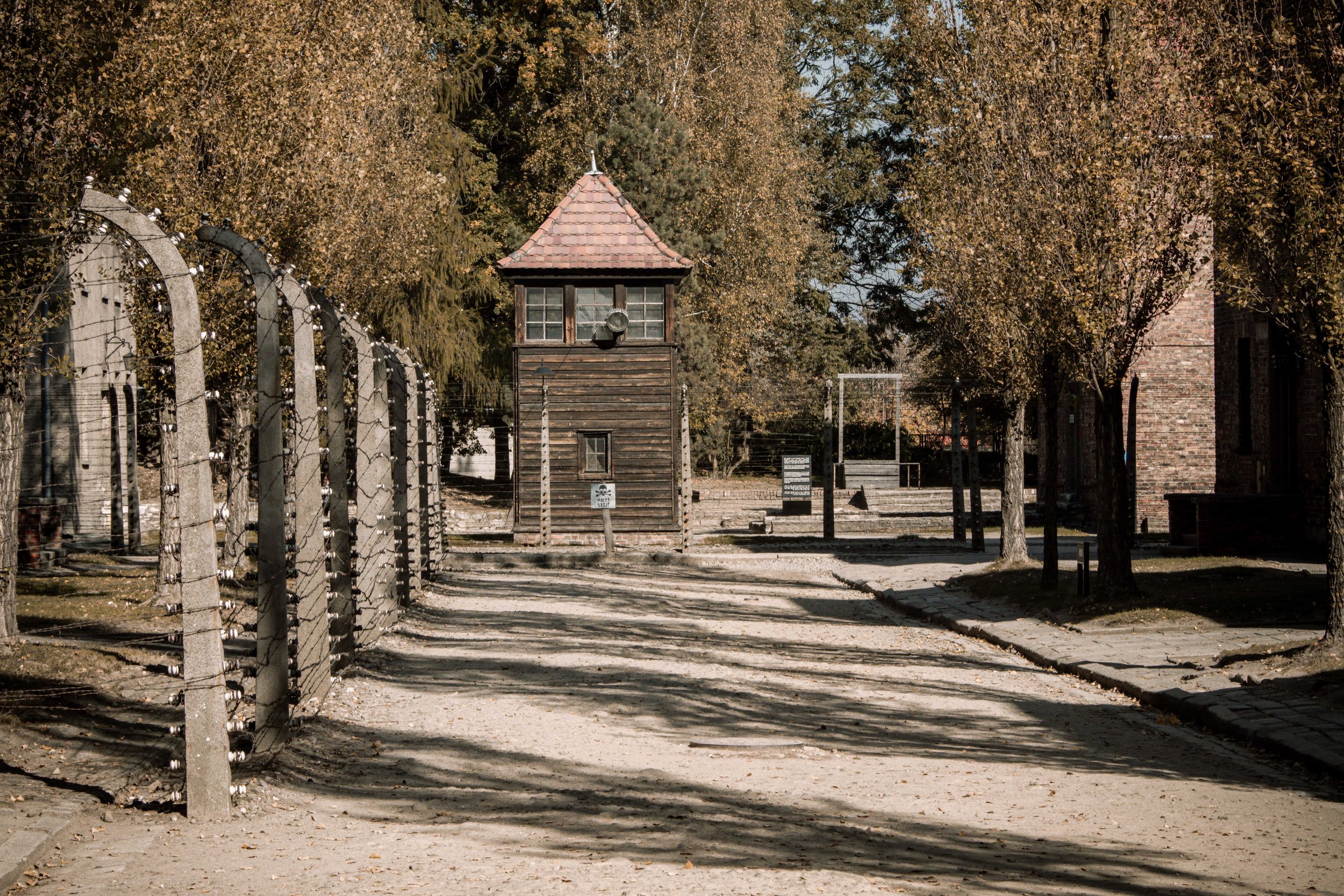
One of the watchtowers from which SS guards supervised the area of the camp Auschwitz I
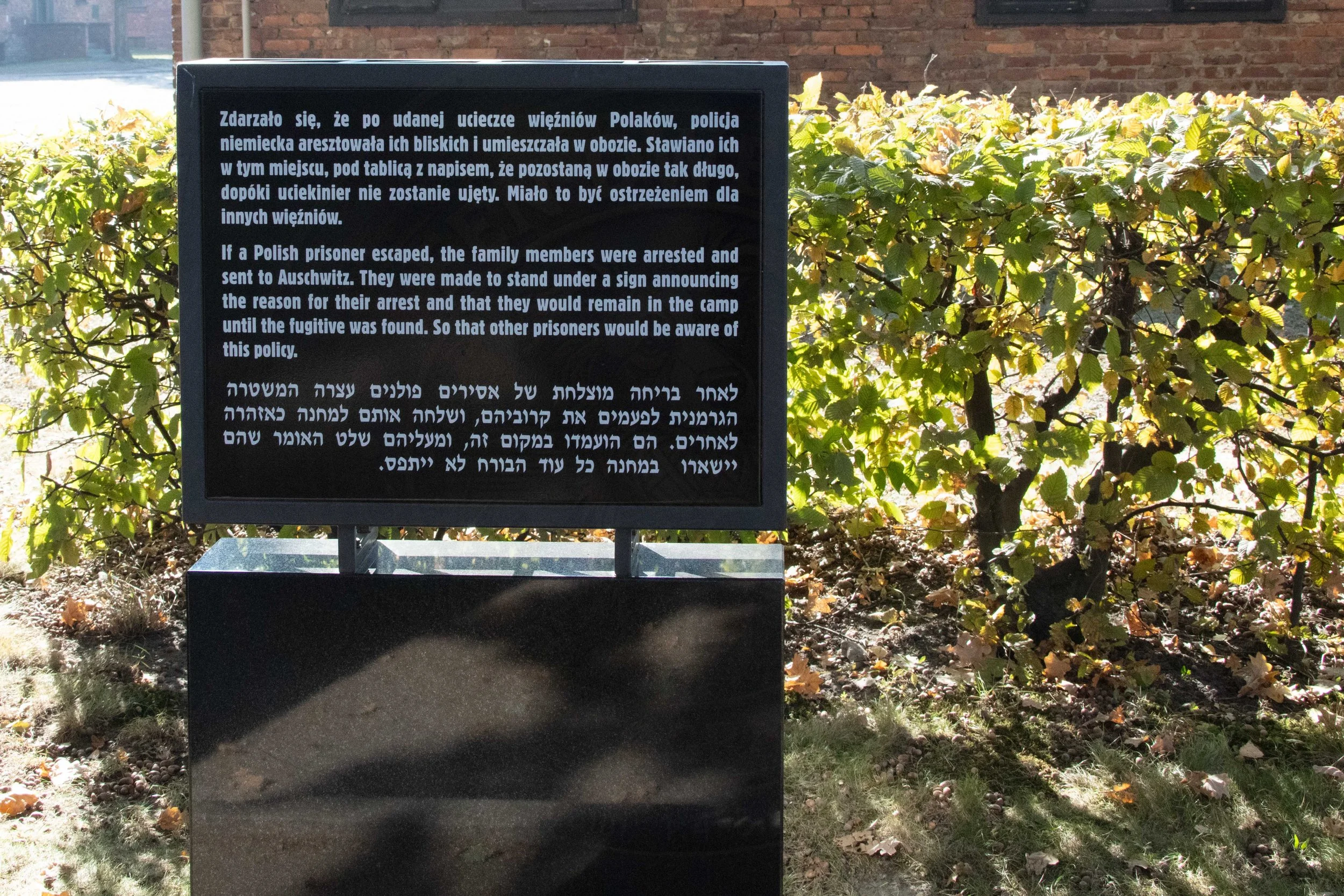
Auschwitz I
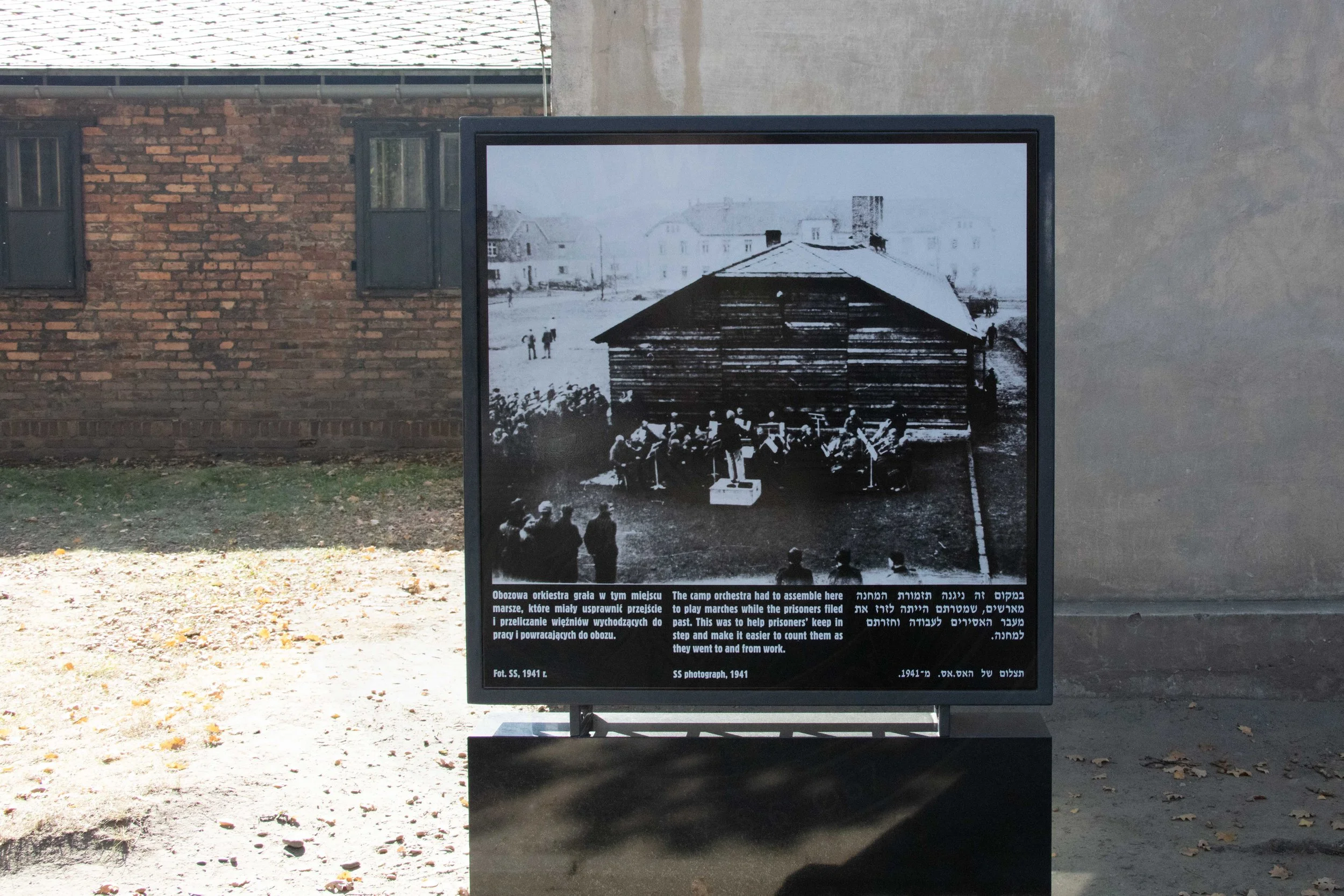
Auschwitz I
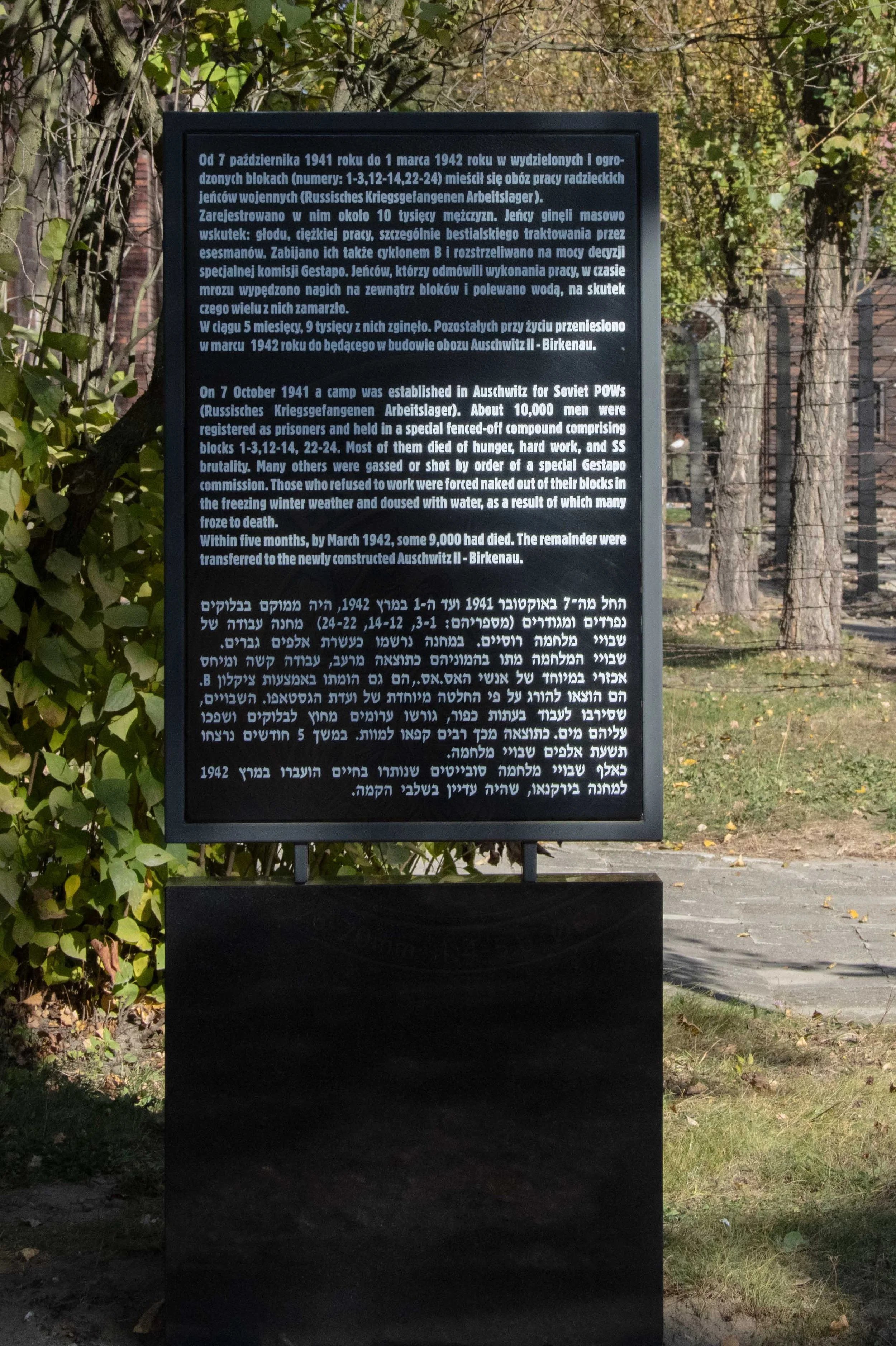
Auschwitz I
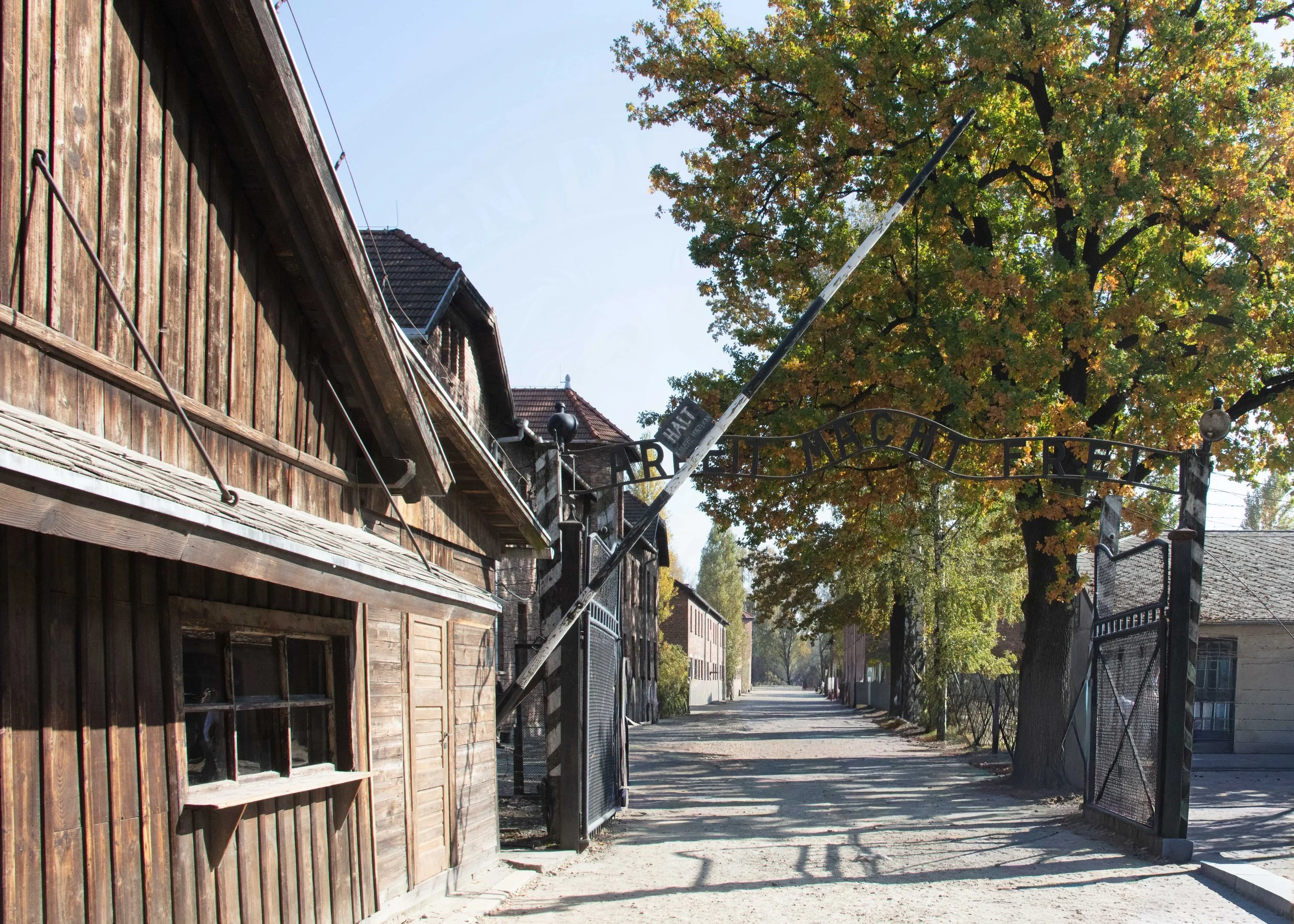
Entrance to Auschwitz I (Work Sets You Free)
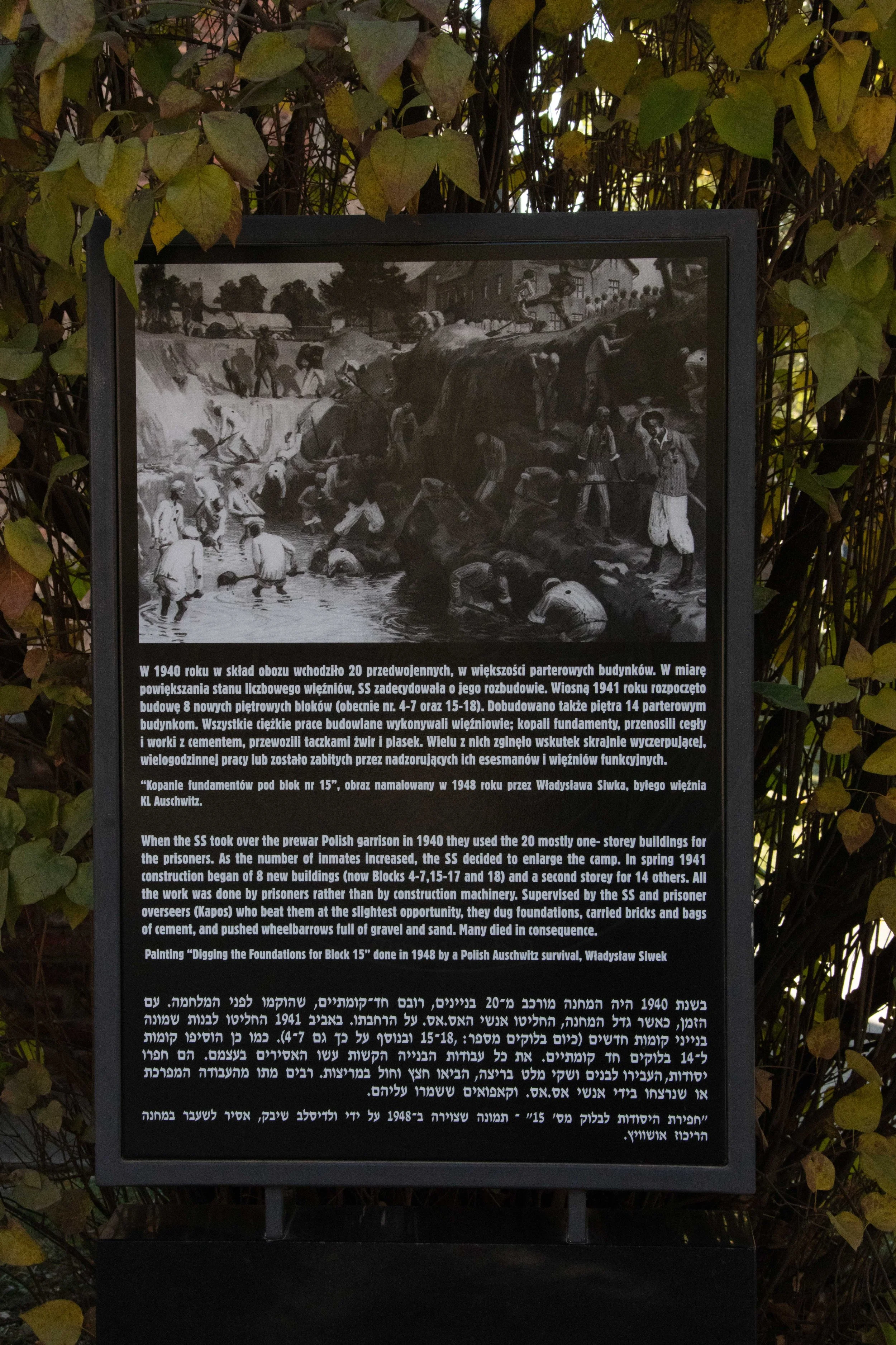
Auschwitz I
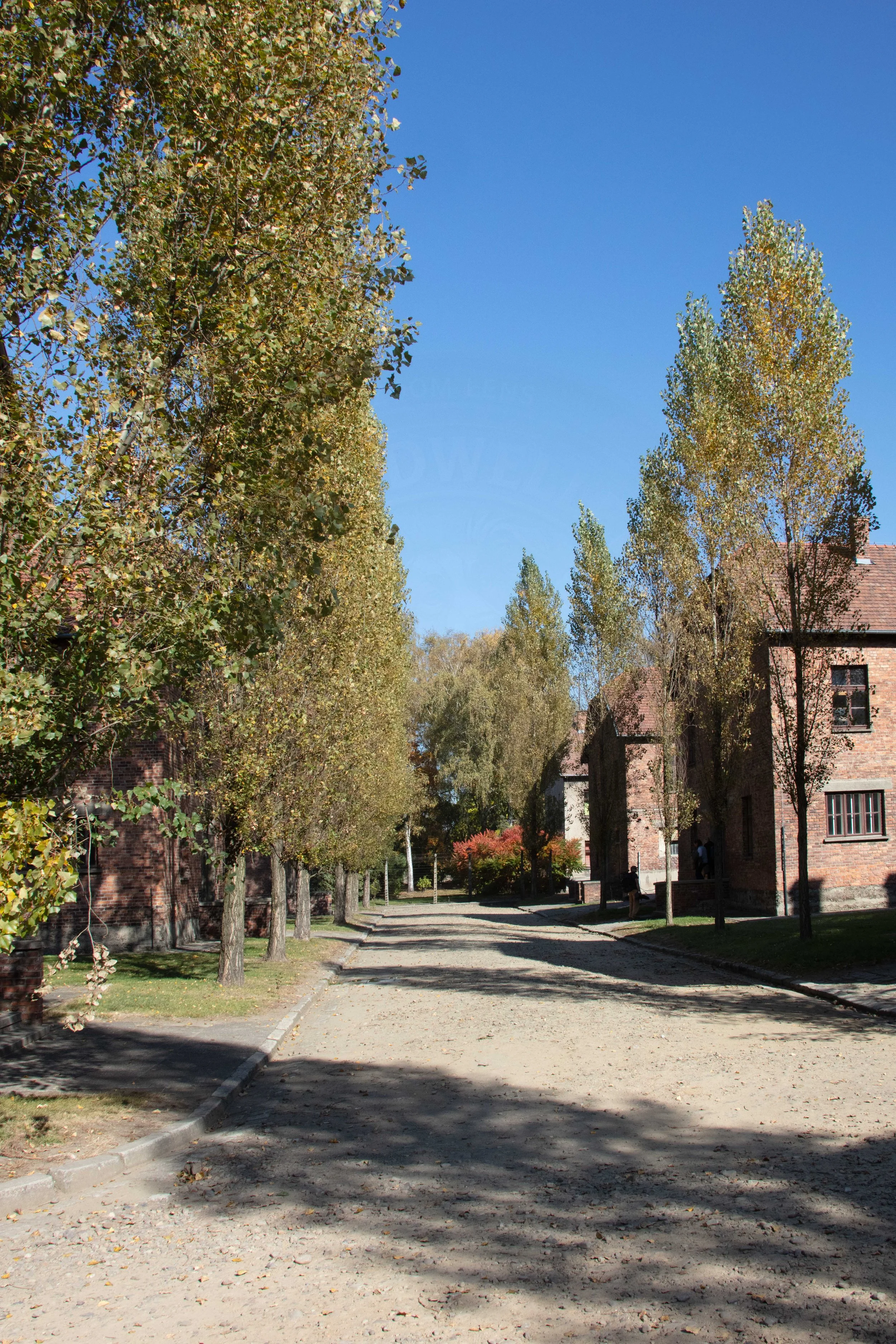
Auschwitz I
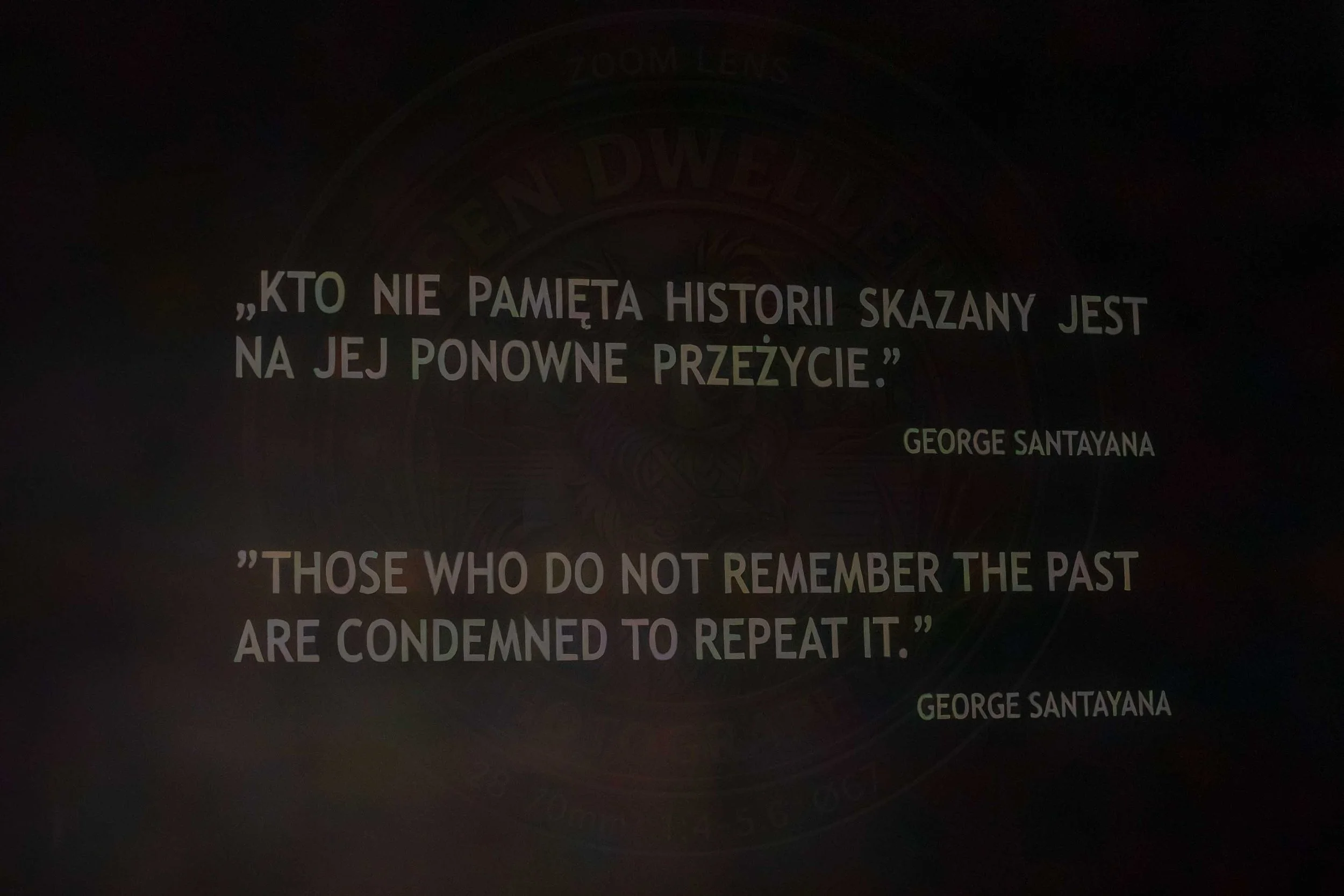
Auschwitz I
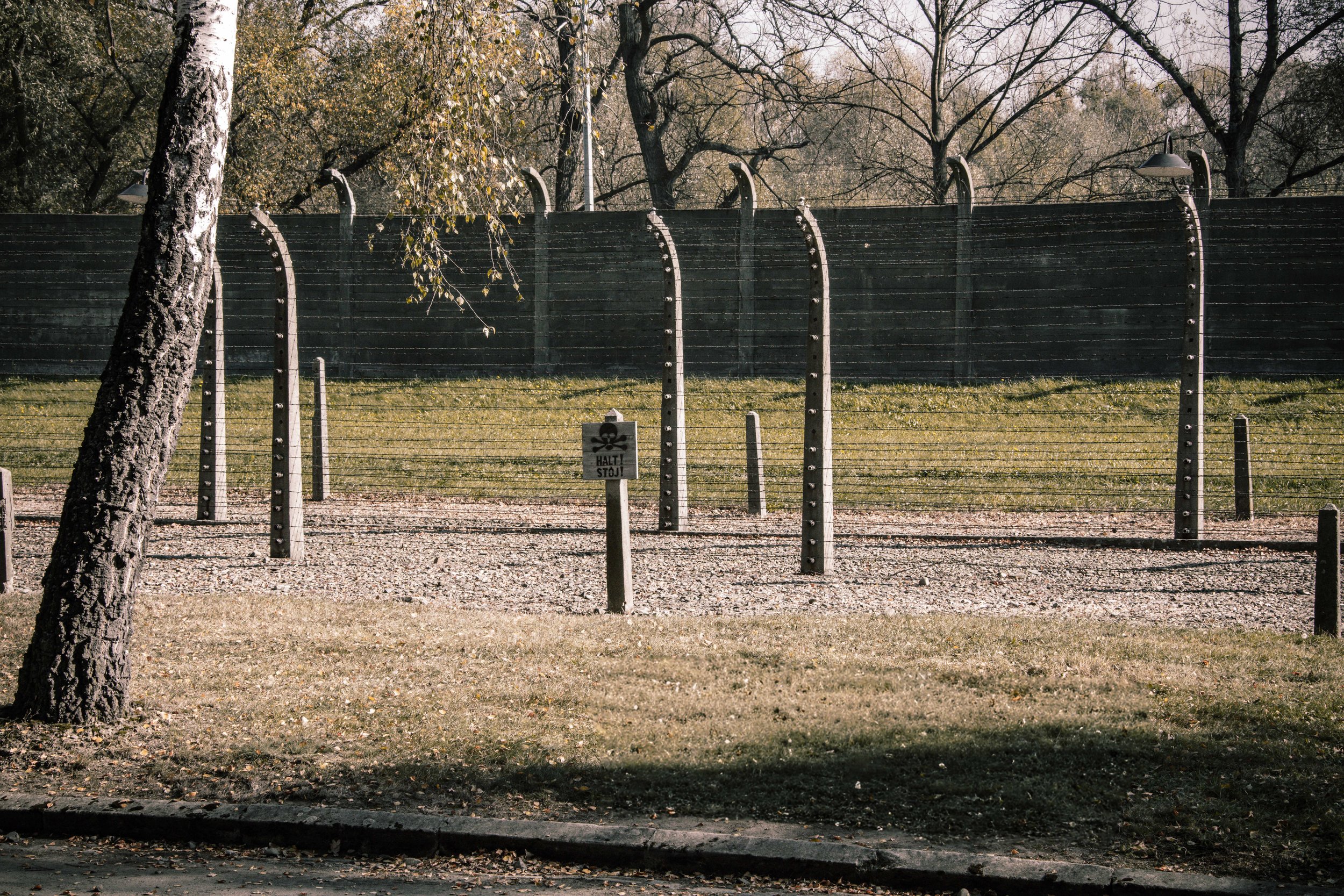
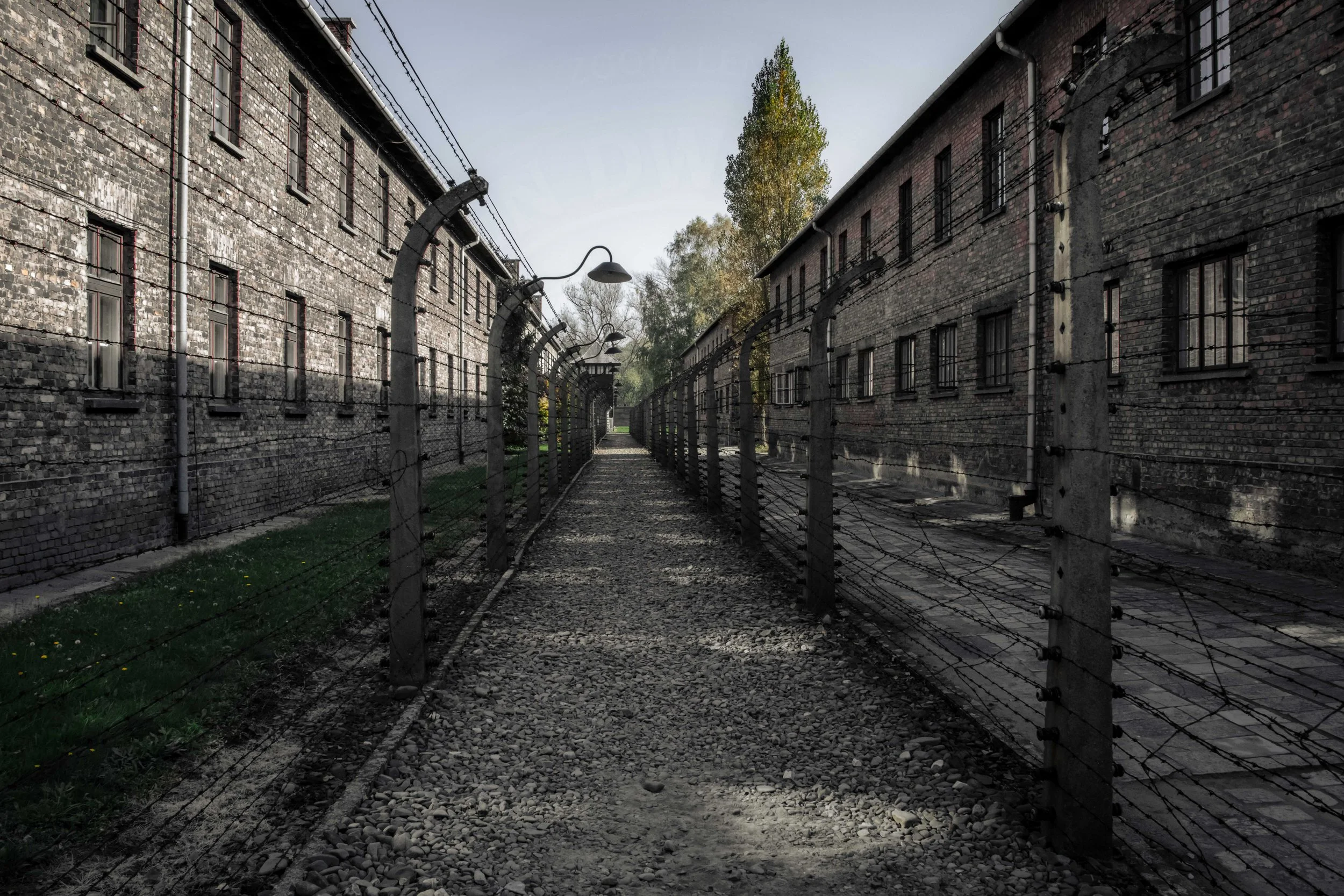
Auschwitz I was surrounded by a double-row electrified barbed-wire fence on concrete posts, reinforced with tall wooden watchtowers and concrete slabs beneath to prevent escape tunnels.
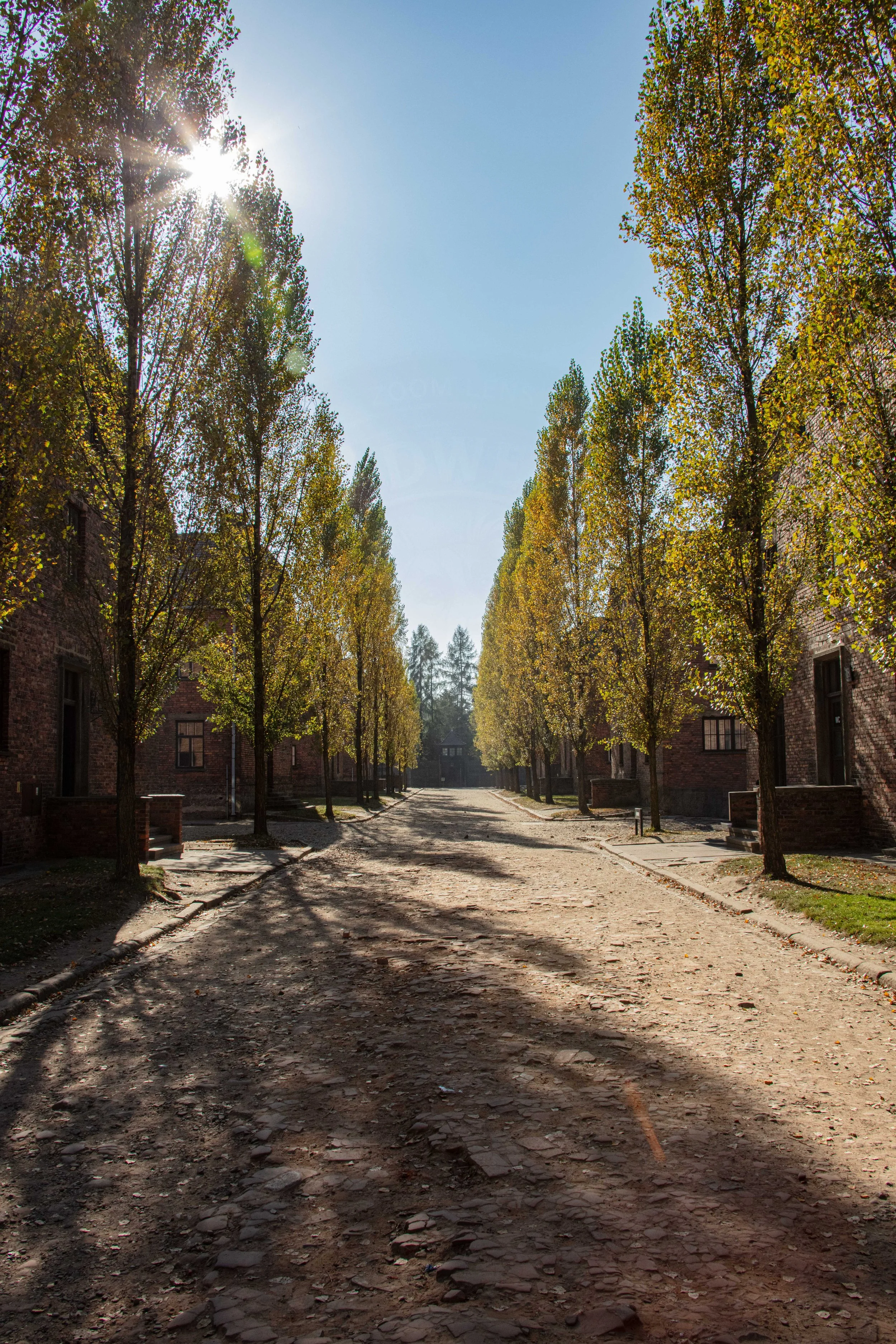
Auschwitz I
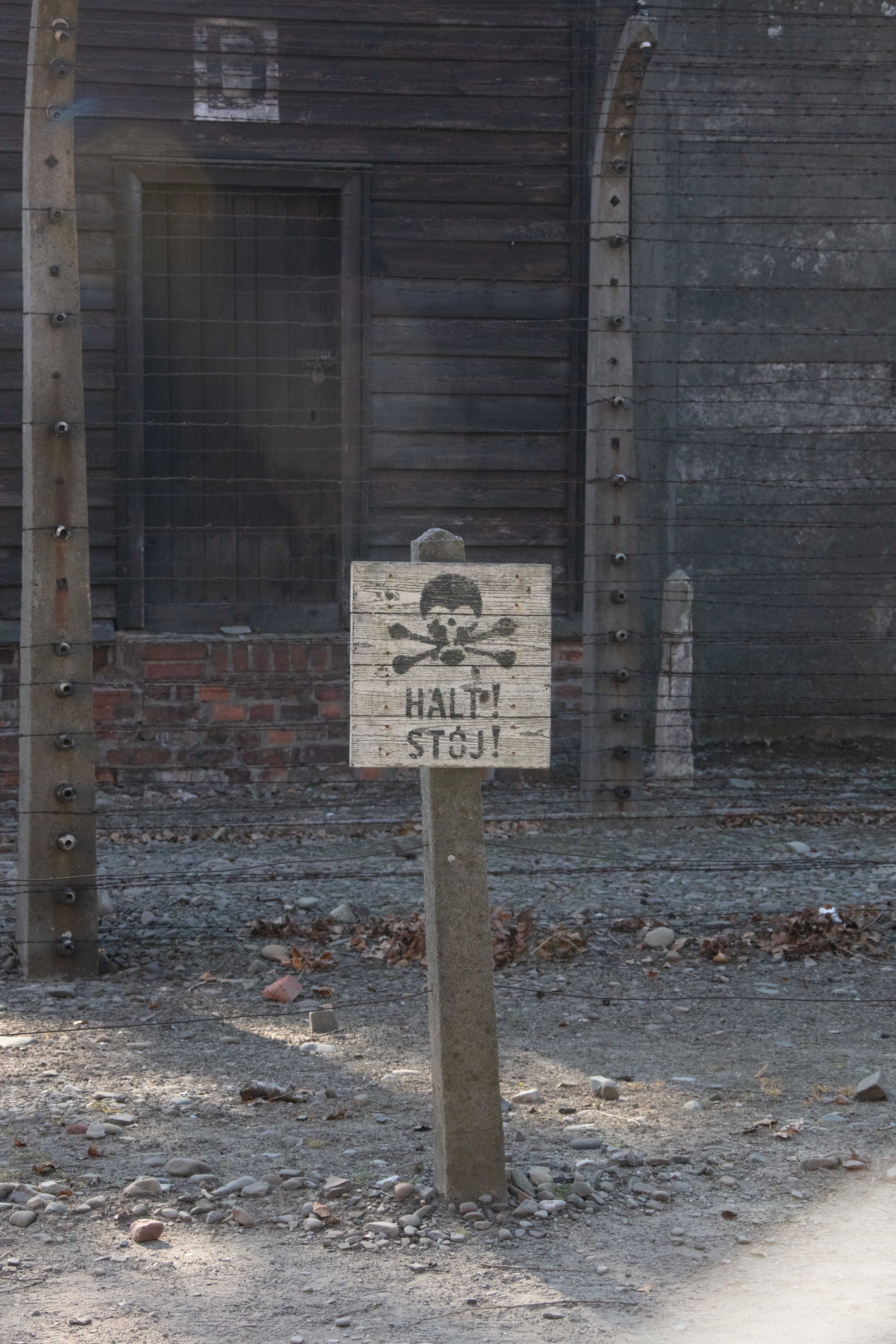
Warning Sign, Auschwitz I
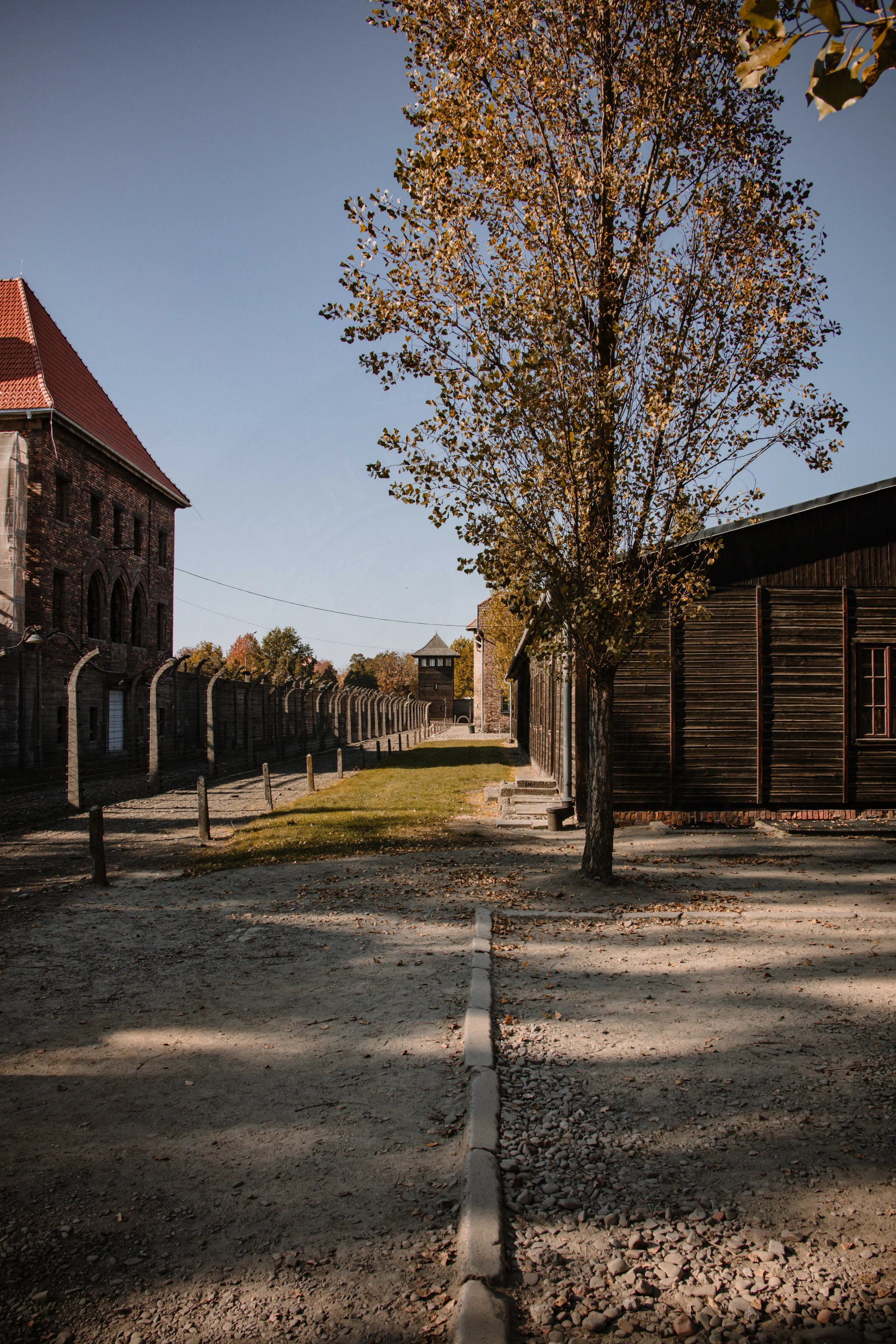
Auschwitz I
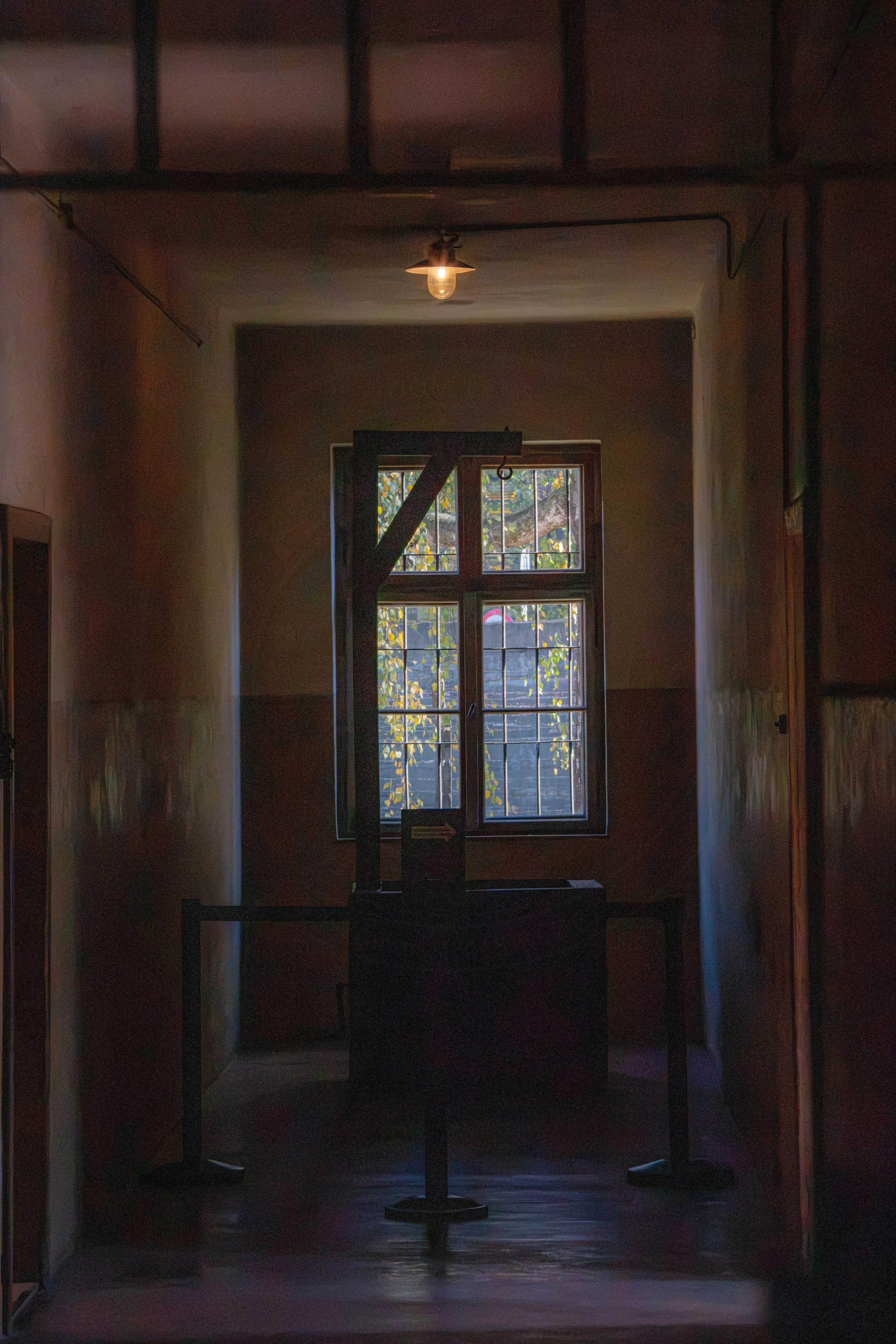
Gallows at Block 11, Auschwitz I: Portable and fixed gallows were also located inside the courtyard of Block 11 at Auschwitz I, where public hangings and executions took place.
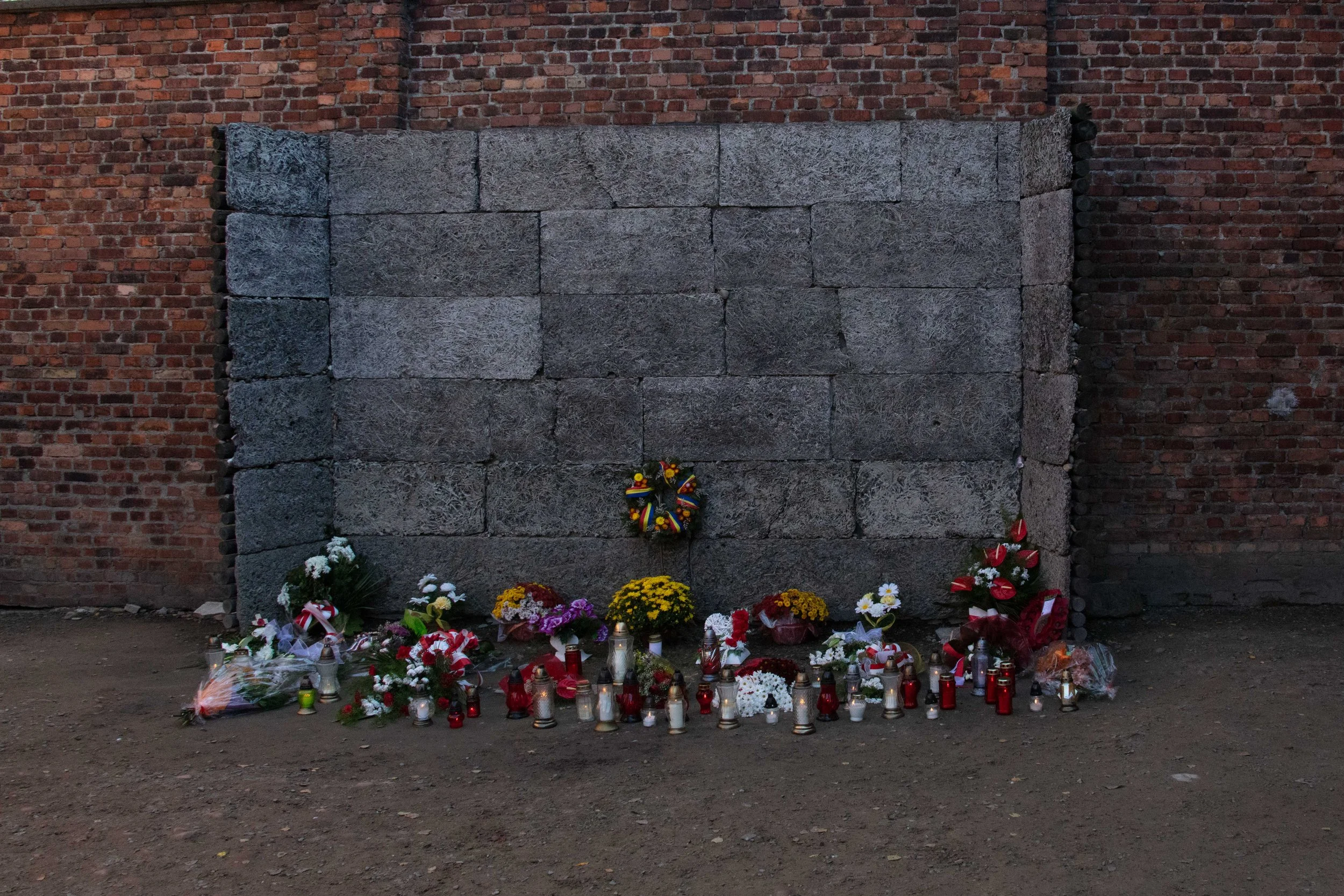
The Death Wall (reconstruction) at Auschwitz I. Located in the yard at the side of block 11. The condemned were led to the wall for execution. SS men shot several thousand people there, mostly Polish political prisoners and members of clandestine organisations.
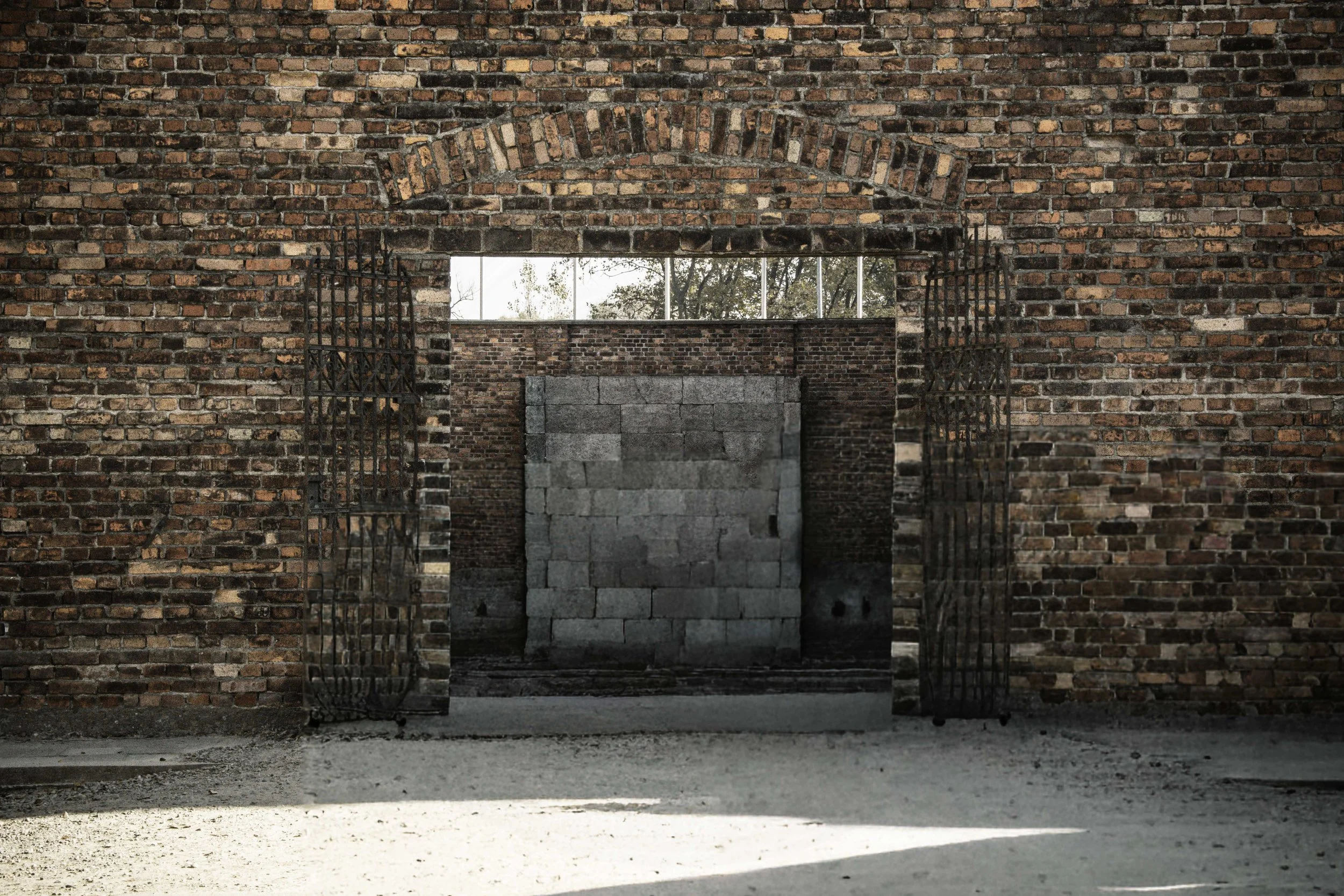
The Death Wall (reconstruction) at Auschwitz I.
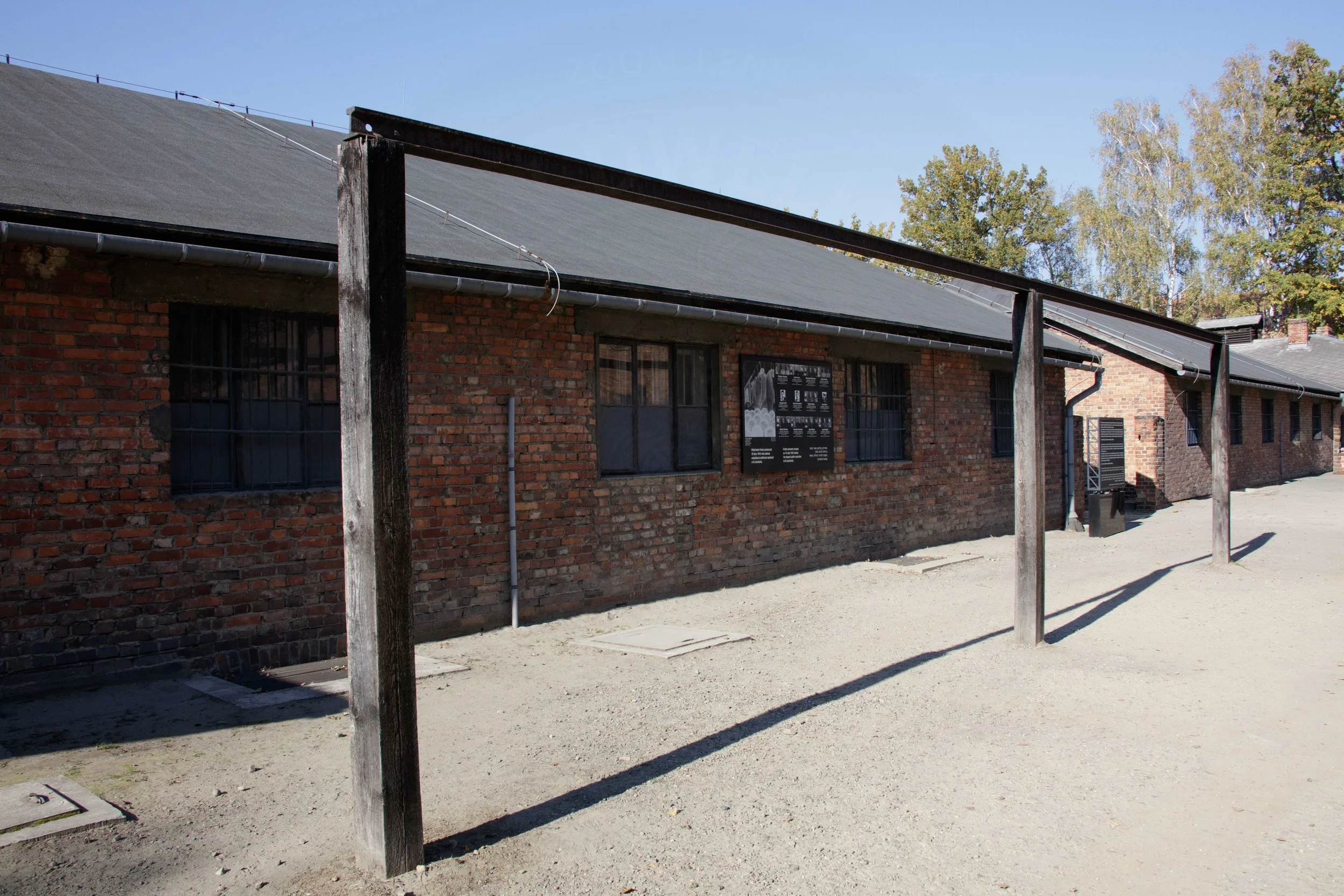
The gallows in front of the camp kitchen building at Auschwitz I site. On 19 July 1943, 12 Polish prisoners were executed there. They were condemned for helping three other prisoners in their escape in mid-January 1943. The nooses were placed around the necks of the prisoners. The camp commandant Rudolf Höss stepped forward from the group of SS men present and started to read the sentences. He did not finish. Janusz Skrzetuski, as an expression of protest, pushed away the stool on which he was standing and hanged himself. SS officers then ran to the condemned men, yanked the stools from under their feet, and finished the execution.
Auschwitz I
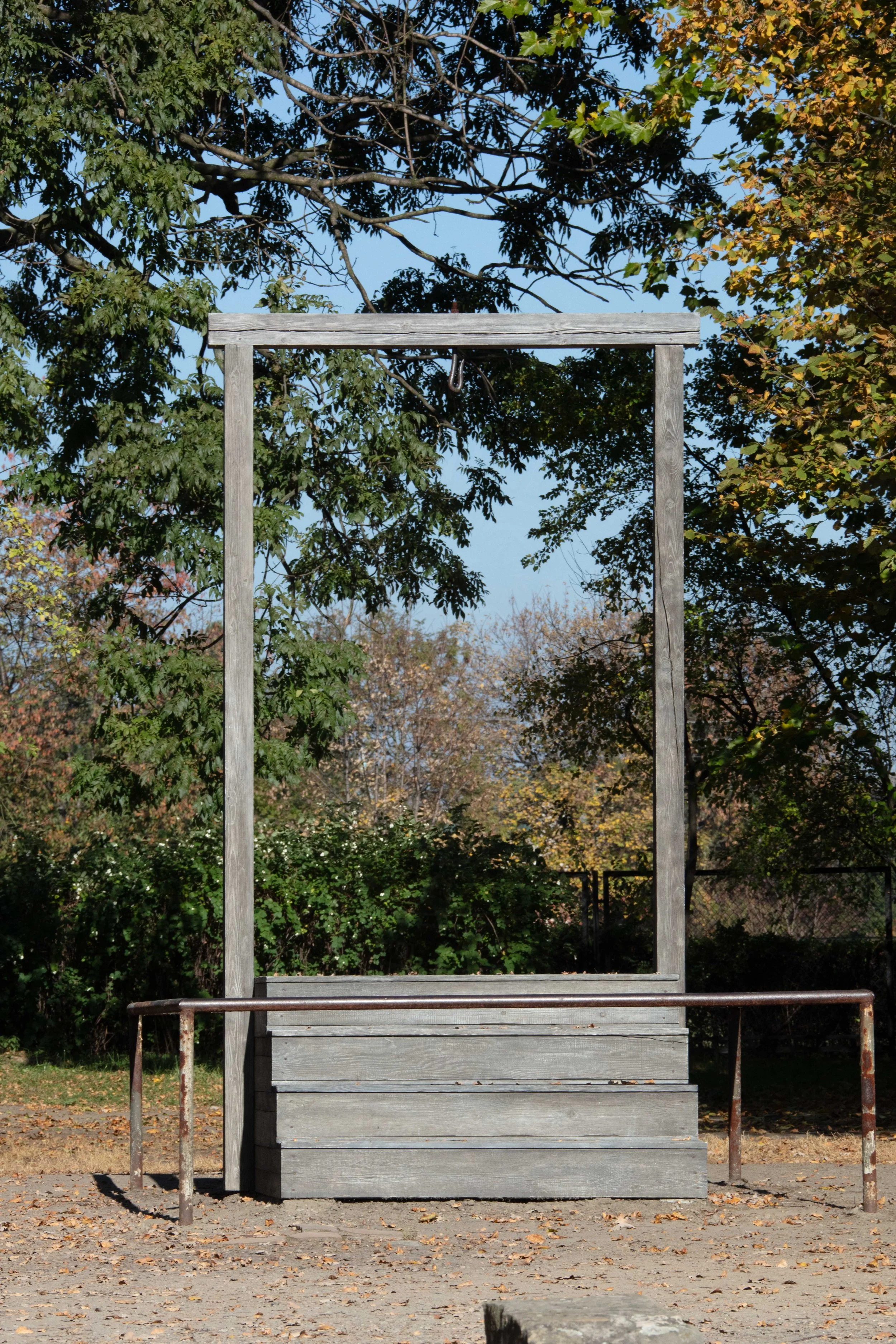
Höss Execution Gallows: These gallows were erected in April 1947 next to the former camp Gestapo office and the first crematorium at Auschwitz I to execute the camp's first commandant, Rudolf Höss at Auschwitz I
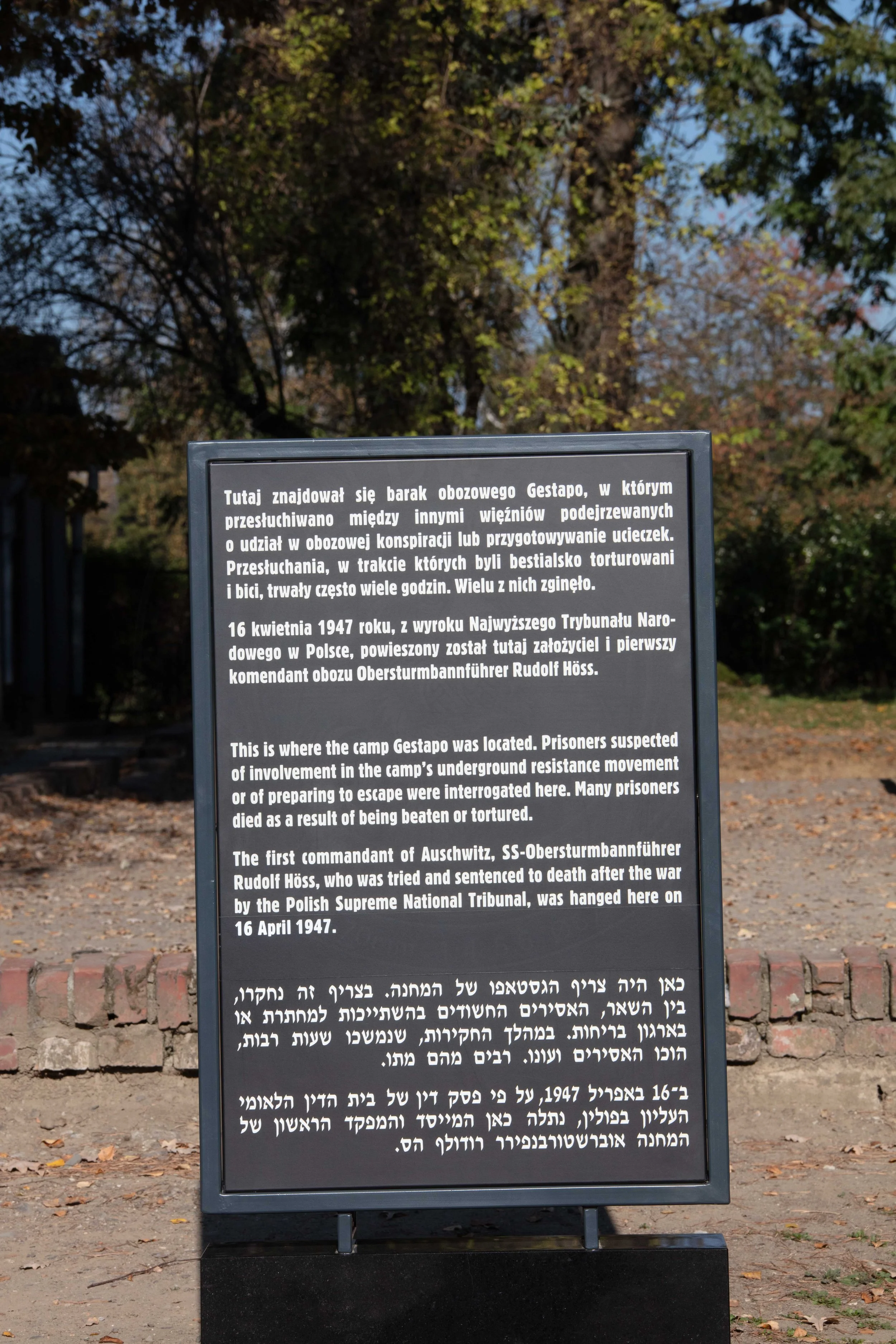
Auschwitz I
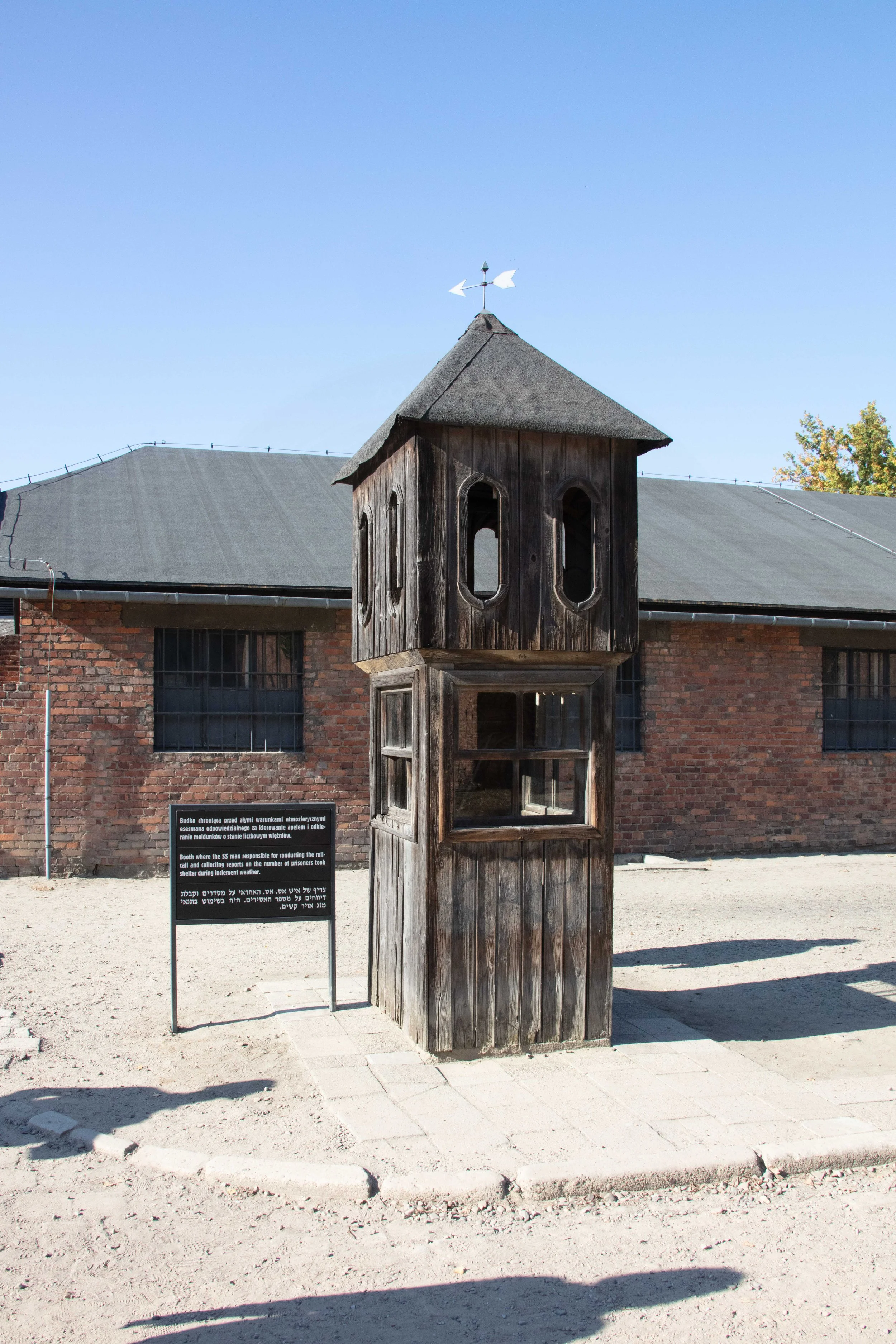
Roll Call Box at Auschwitz I
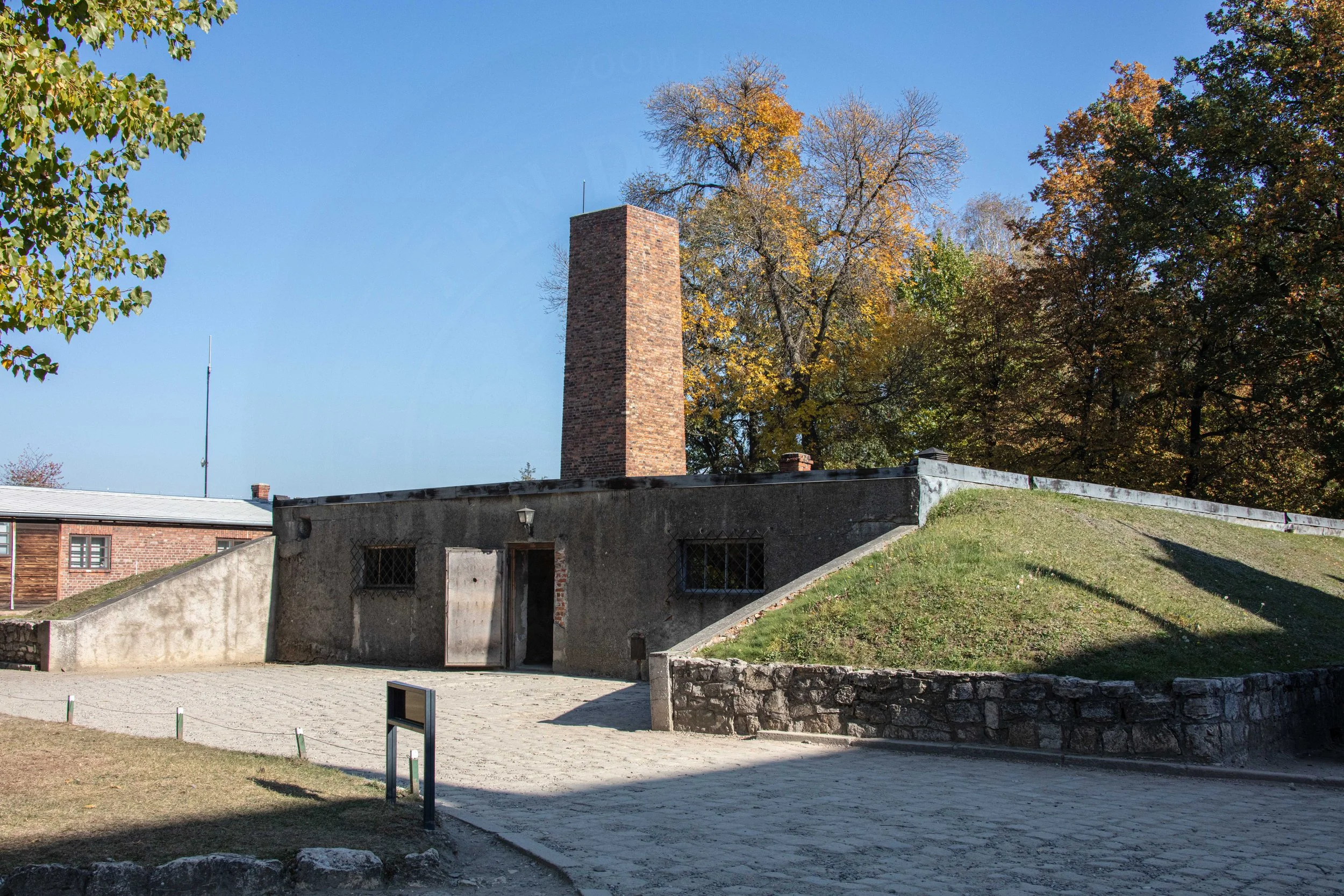
Crematorium I was the first gas chamber at Auschwitz I. This is preserved in its original state to a large degree. Crematorium I operated from August 1940. When the gas chambers in Birkenau were going into operation, the camp authorities transferred the mass killing operation there and gradually phased out this gas chamber.
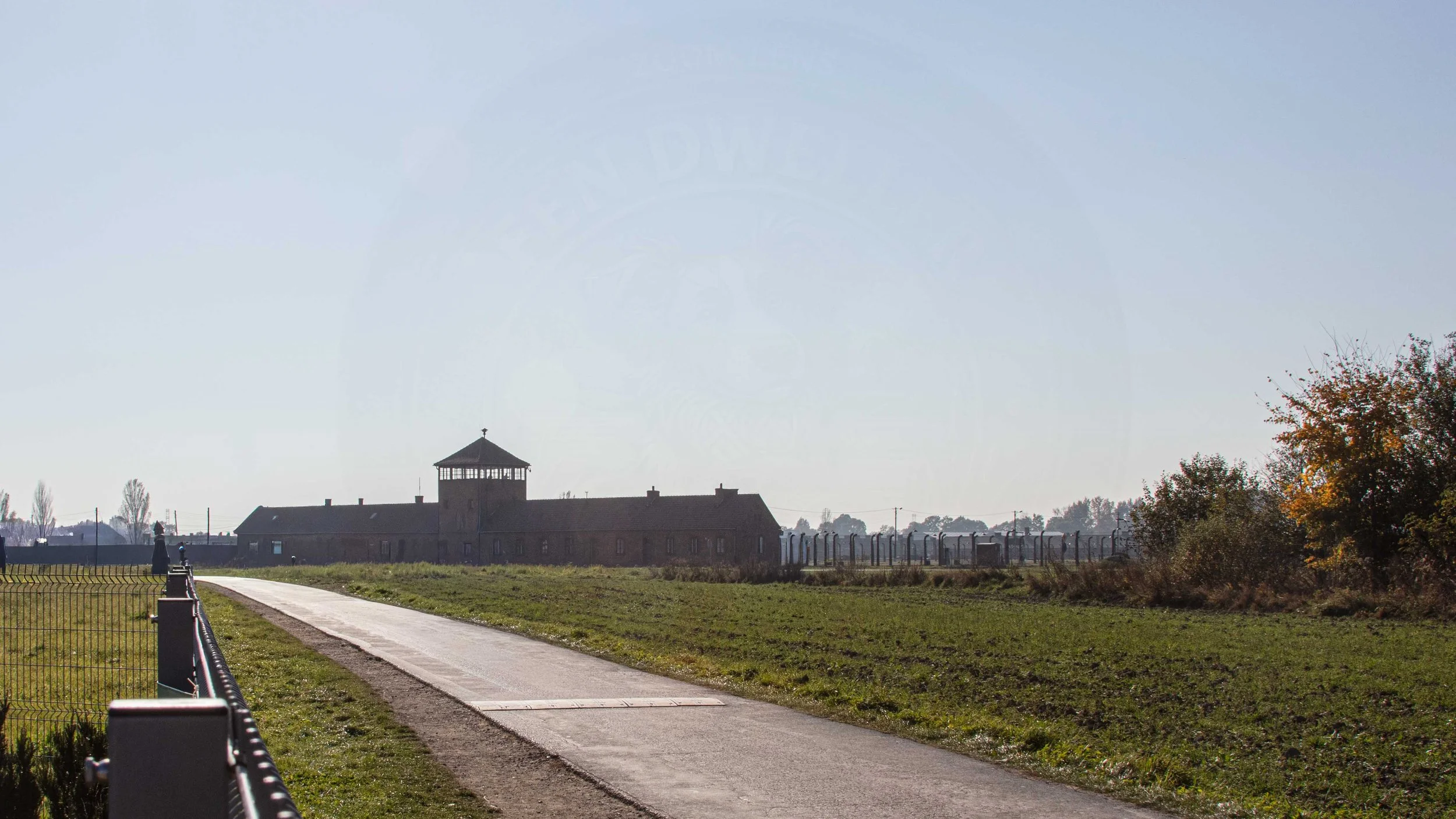
The Death Gate at Auschwitz II-Birkenau
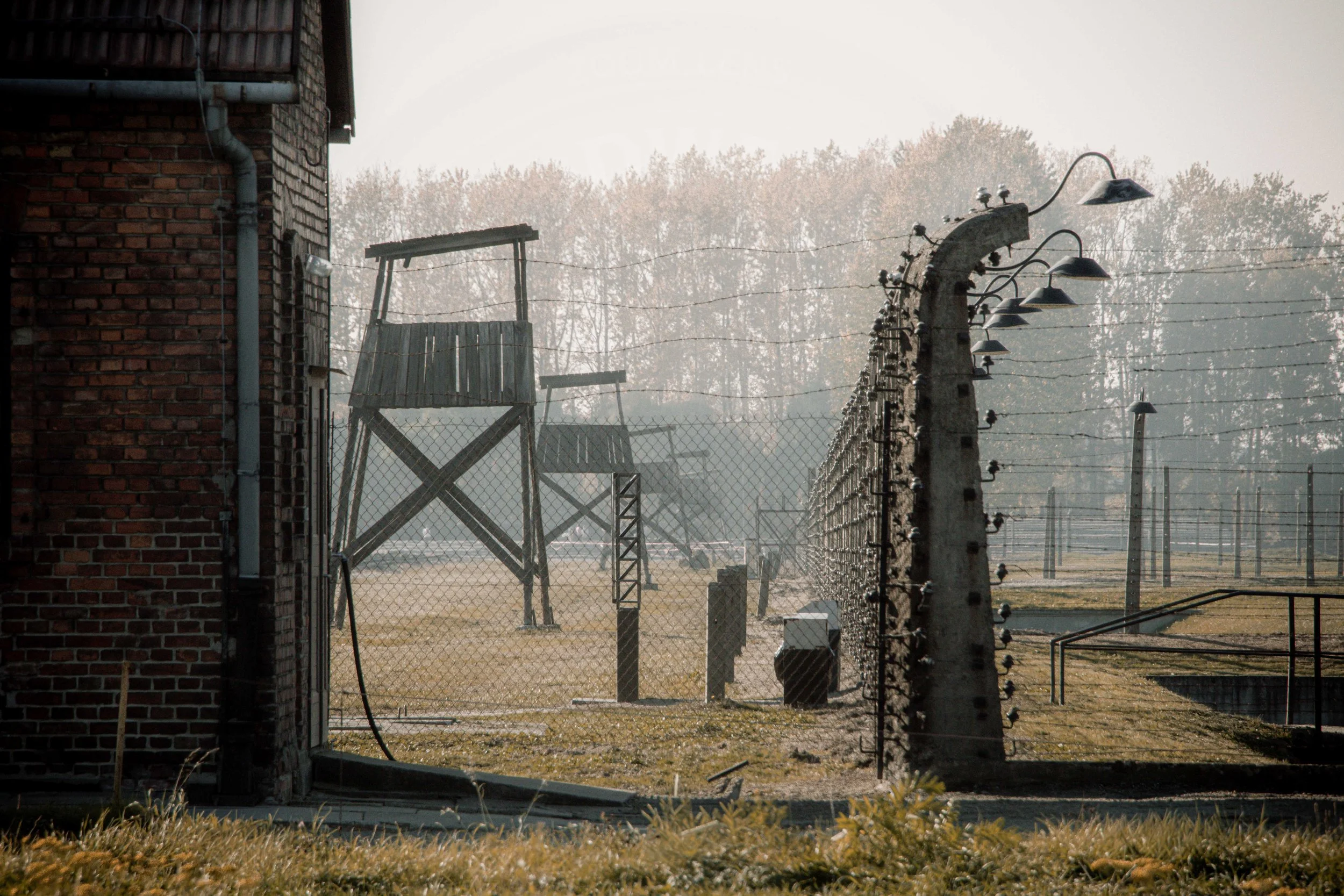
Older style watch towers before they were upgraded to fully enclosed ones at Auschwitz II-Birkenau
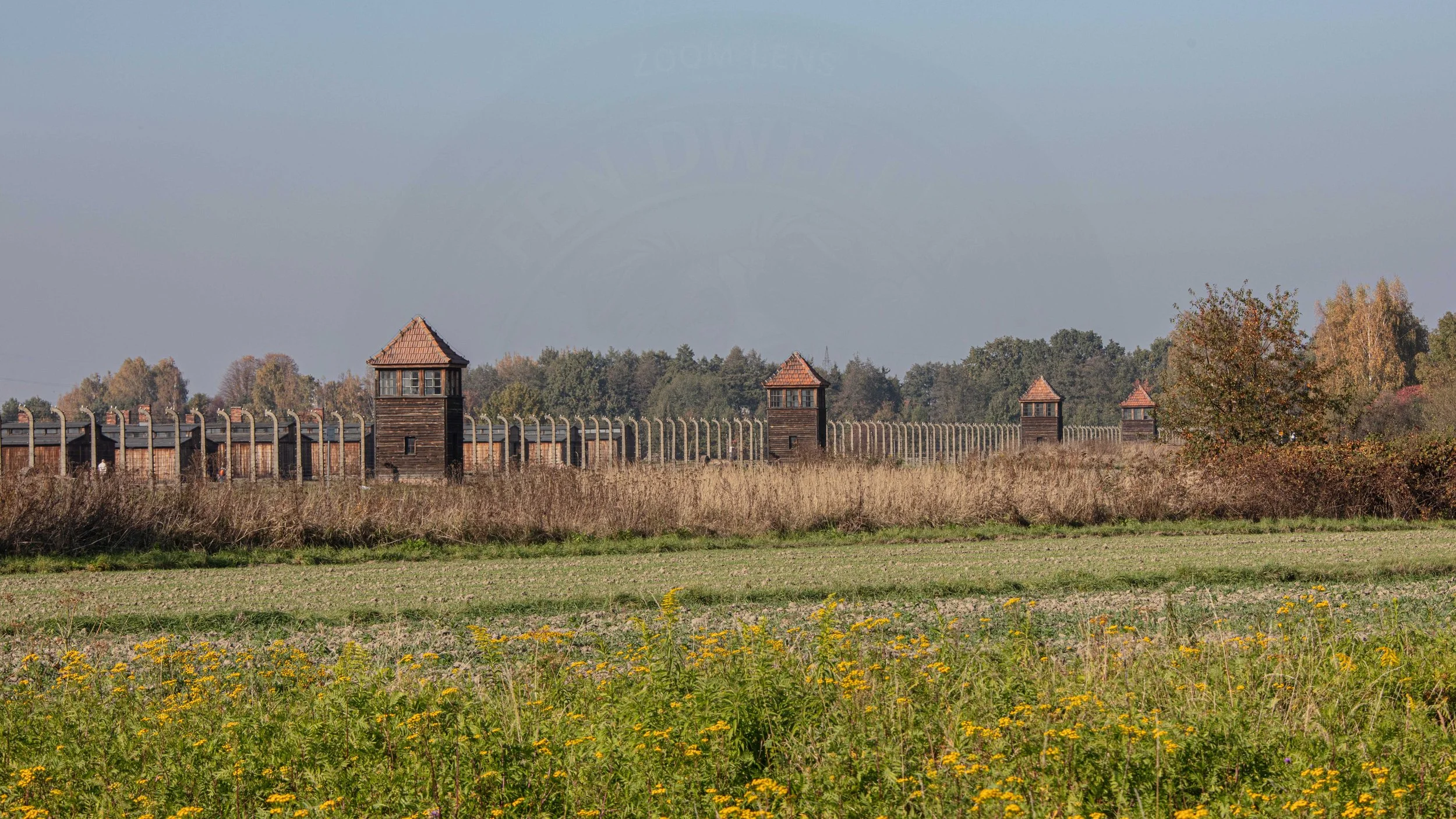
The lookout towers (watchtowers) at Auschwitz II-Birkenau served as key points for SS guard supervision, searchlights, and machine gun placements.
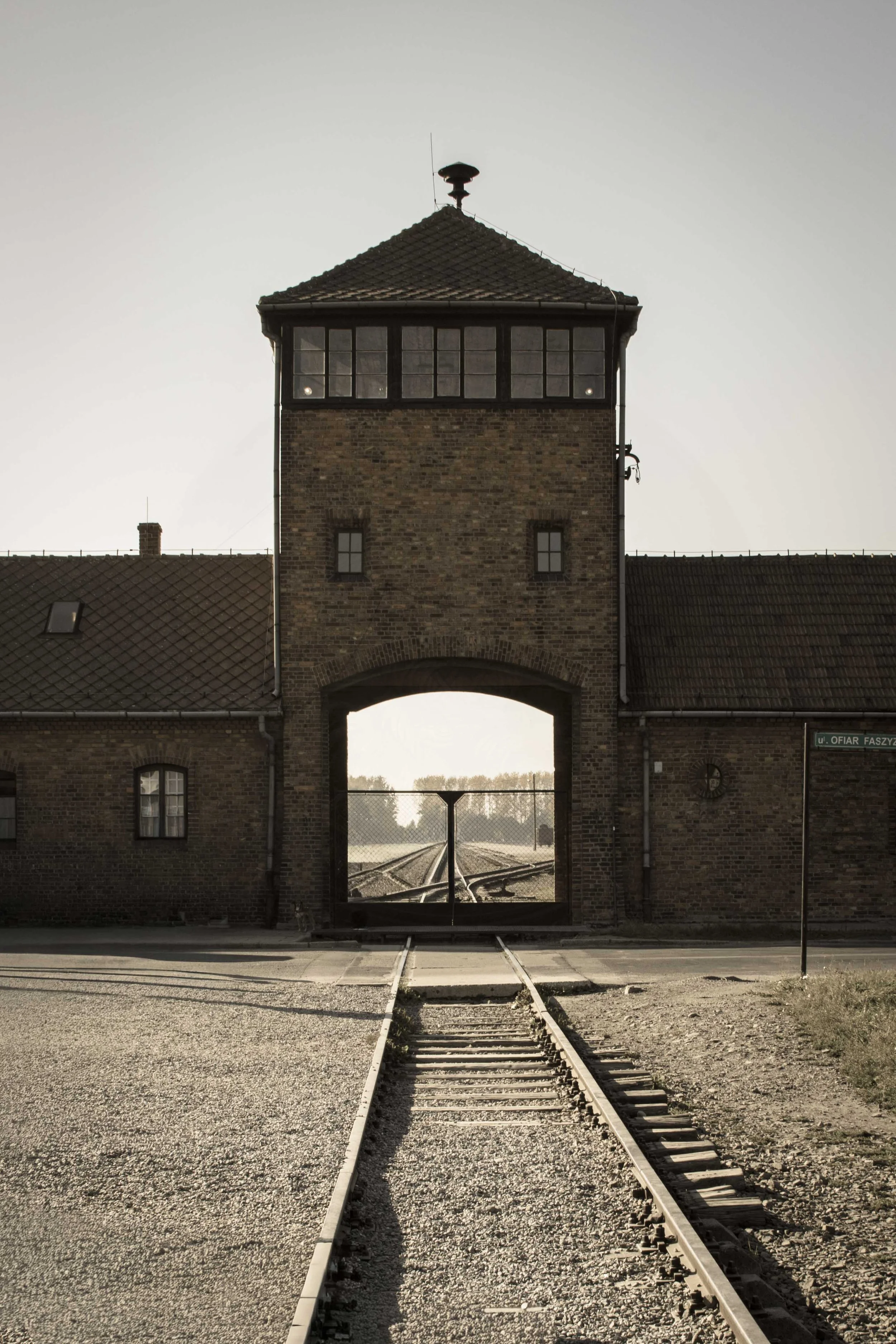
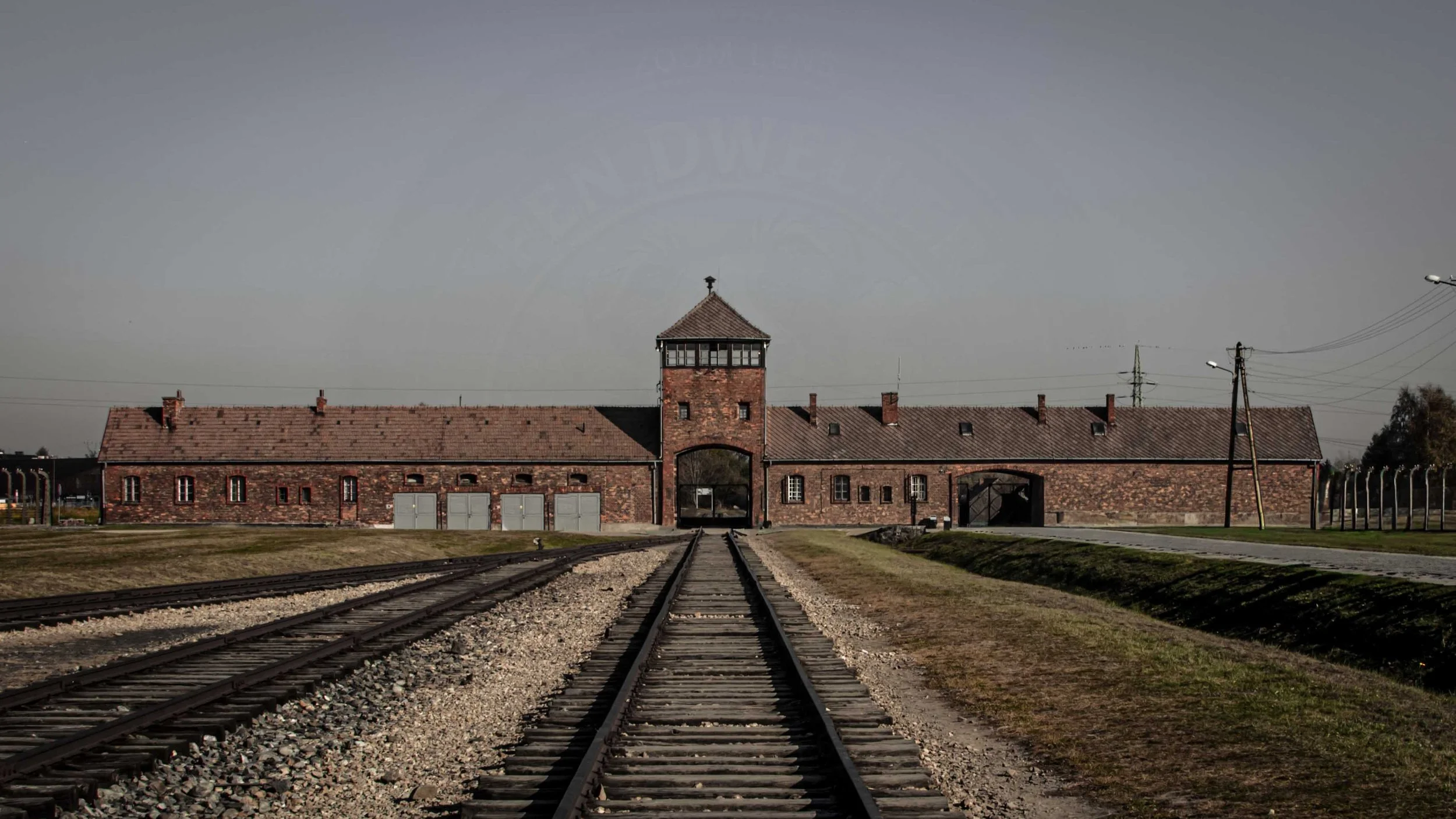
The Death Gate at Auschwitz II-Birkenau was built in 1943 to span the railway tracks leading directly into the camp for the arrival and selection of deportees.
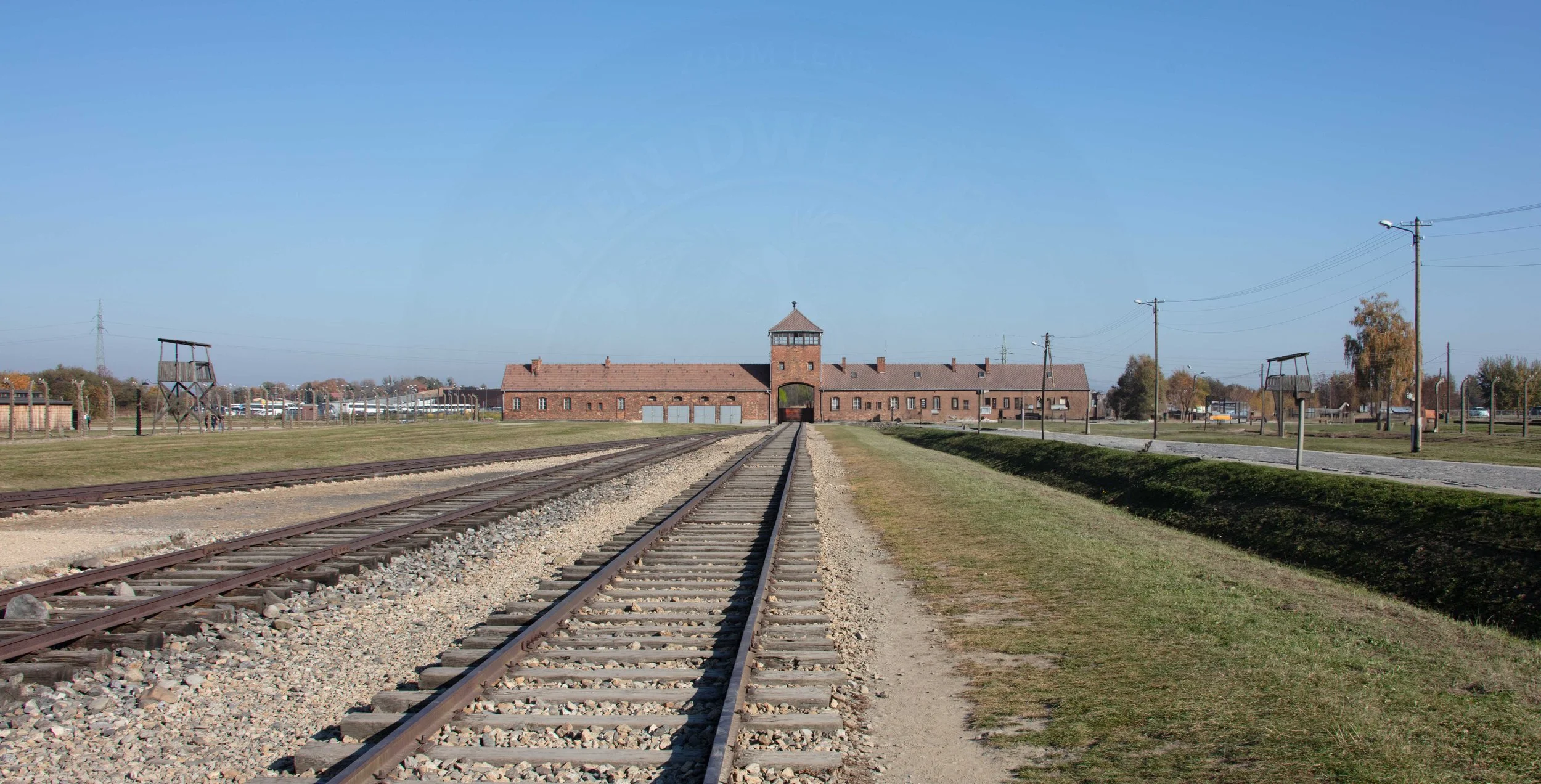
The railway tracks which led directly through the Death Gate into the camp for the arrival and selection of deportees at Auschwitz II-Birkenau.
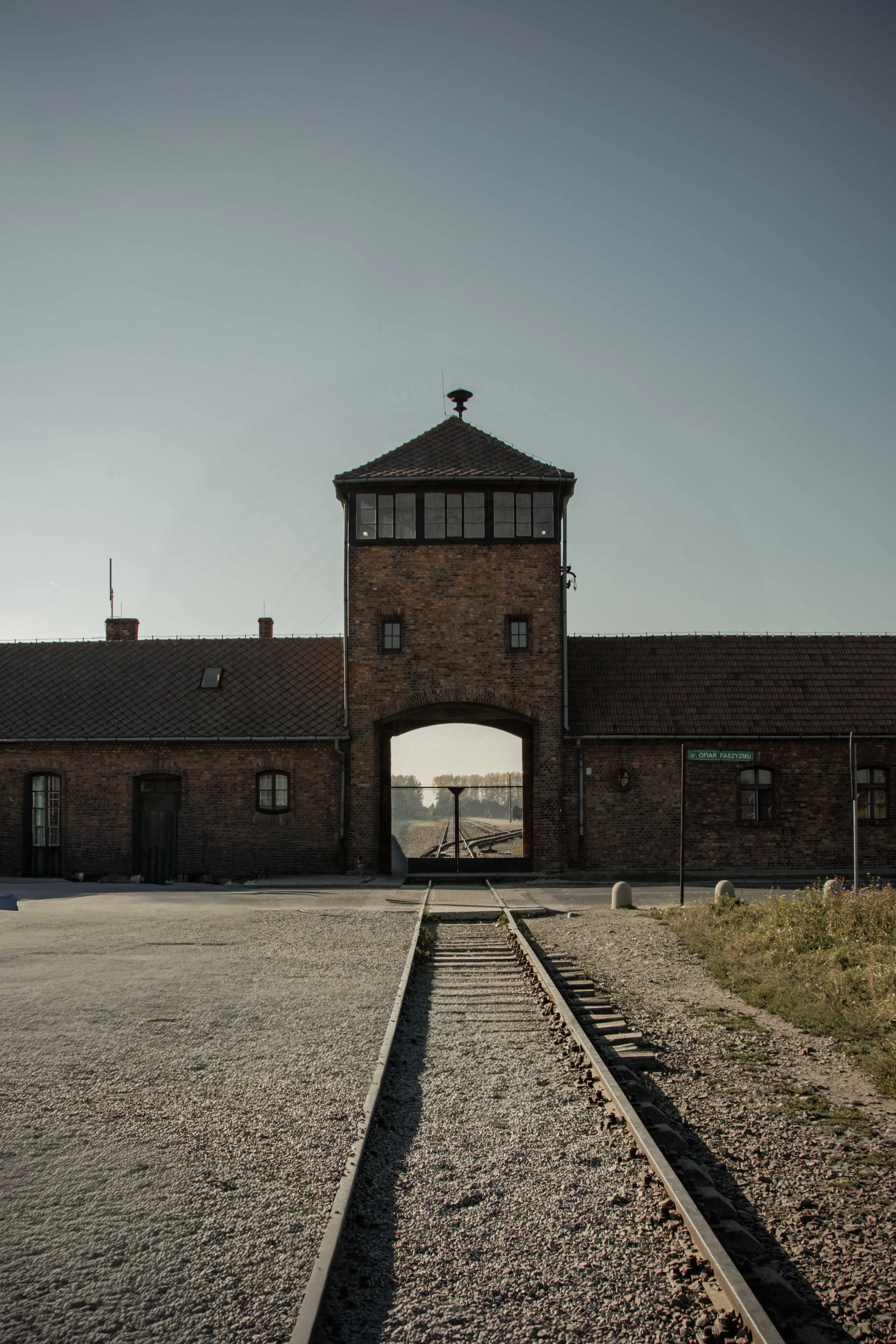
The Death Gate at Auschwitz II-Birkenau
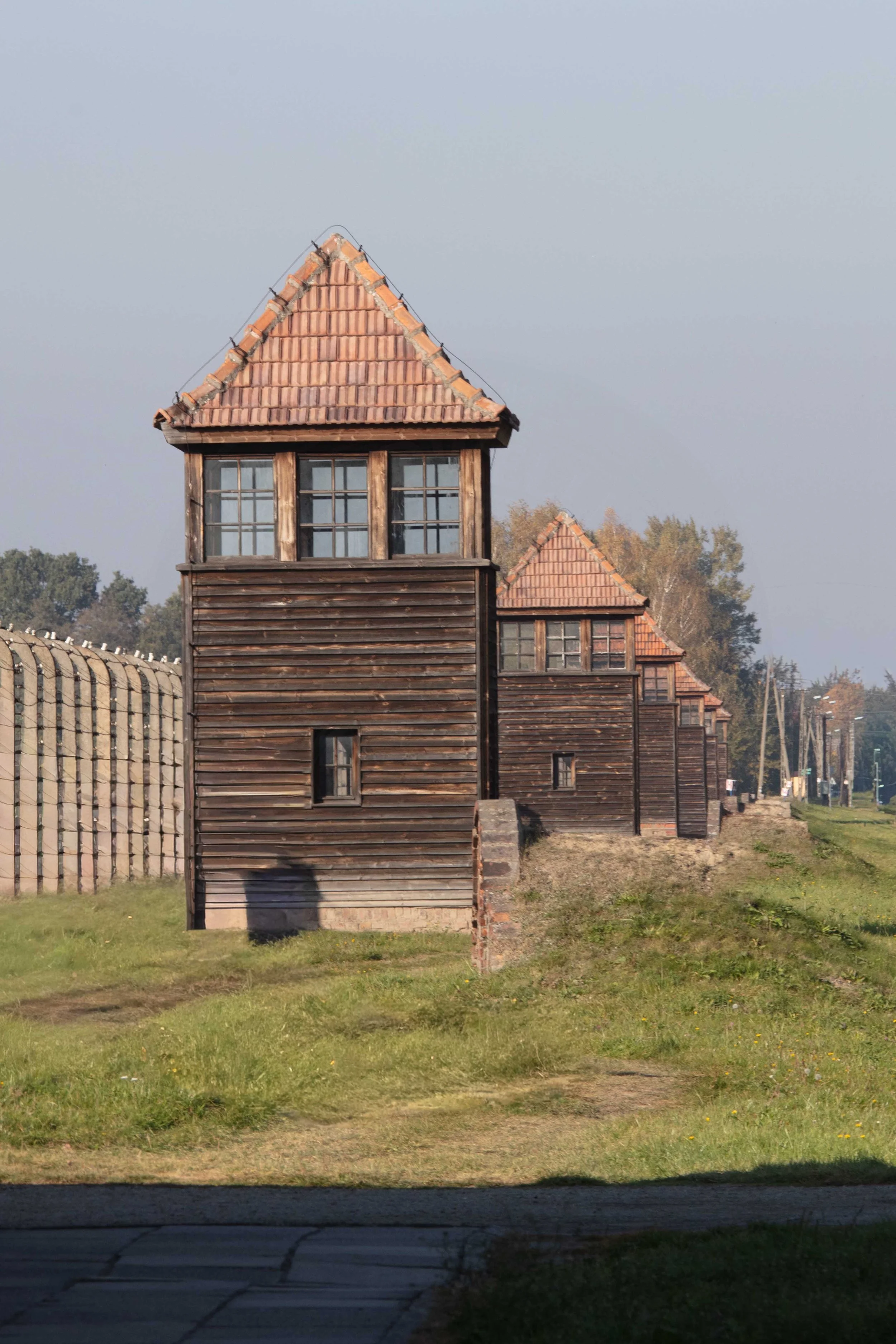
The lookout towers (watchtowers) at the Auschwitz II concentration and extermination camp complex served as key points for SS guard supervision, searchlights, and machine gun placements. Initial guard towers were simple wooden structures consisting of four wooden posts supporting an open observation platform with a railing and a covered roof. Later Towers in 1943, the SS replaced these with larger, fully enclosed, prefabricated wooden or planked towers featuring glazed windows and sloping roofs. Each tower typically housed an SS crew with a machine gun and a searchlight to monitor the perimeter at night.
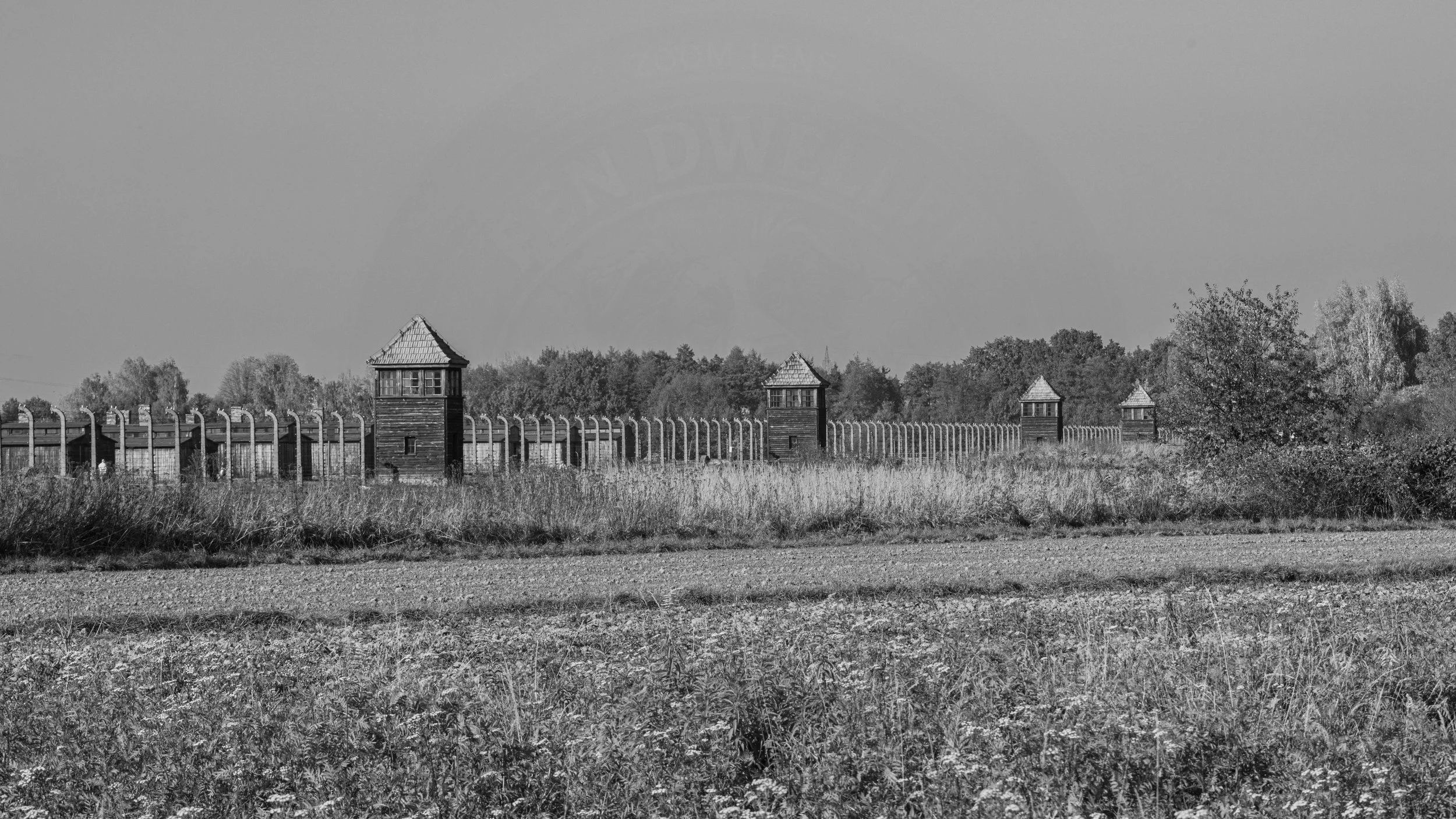
Auschwitz II-Birkenau: Features a vast perimeter including the prominent main guard tower over the entrance, known as the "Gate of Death".
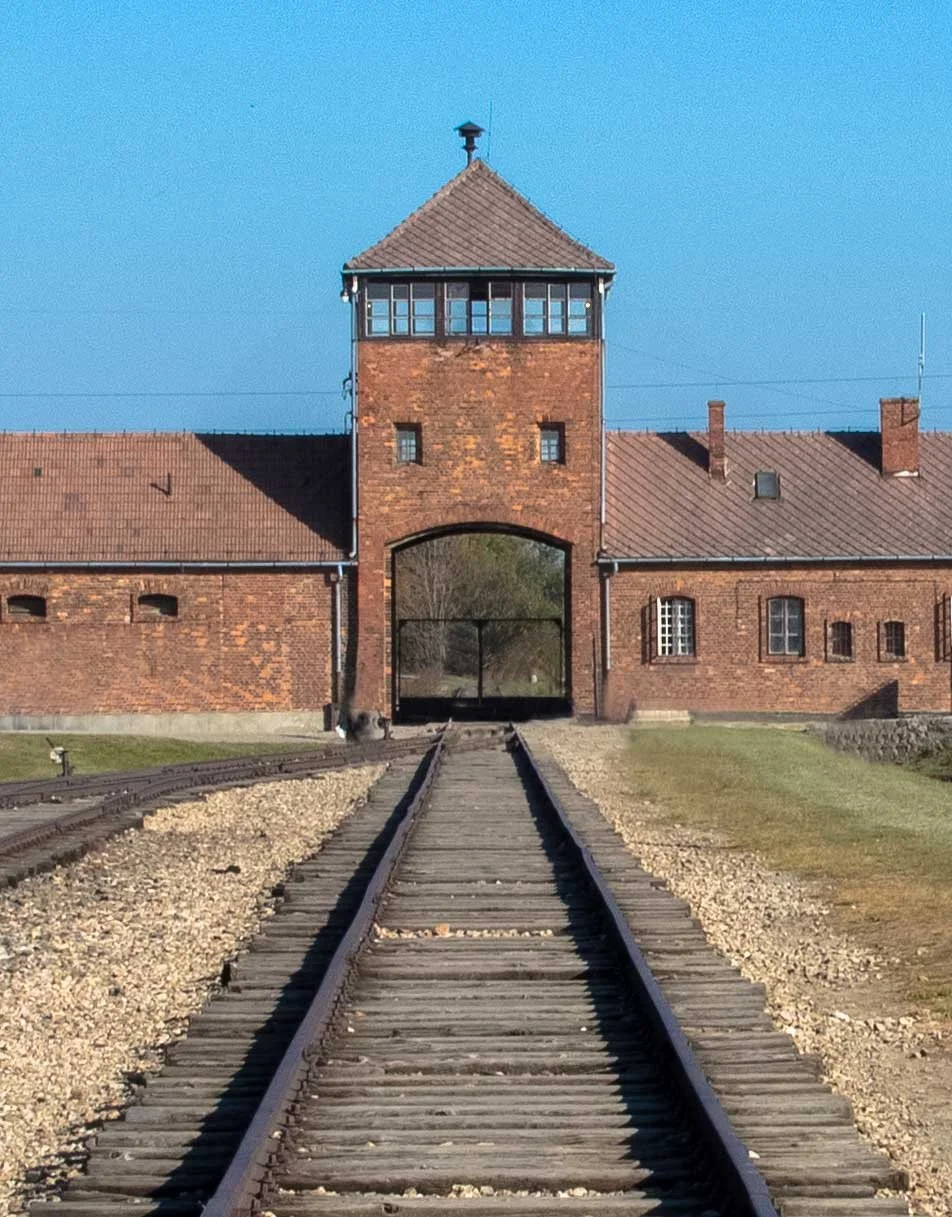
The Death Gate at Auschwitz II-Birkenau
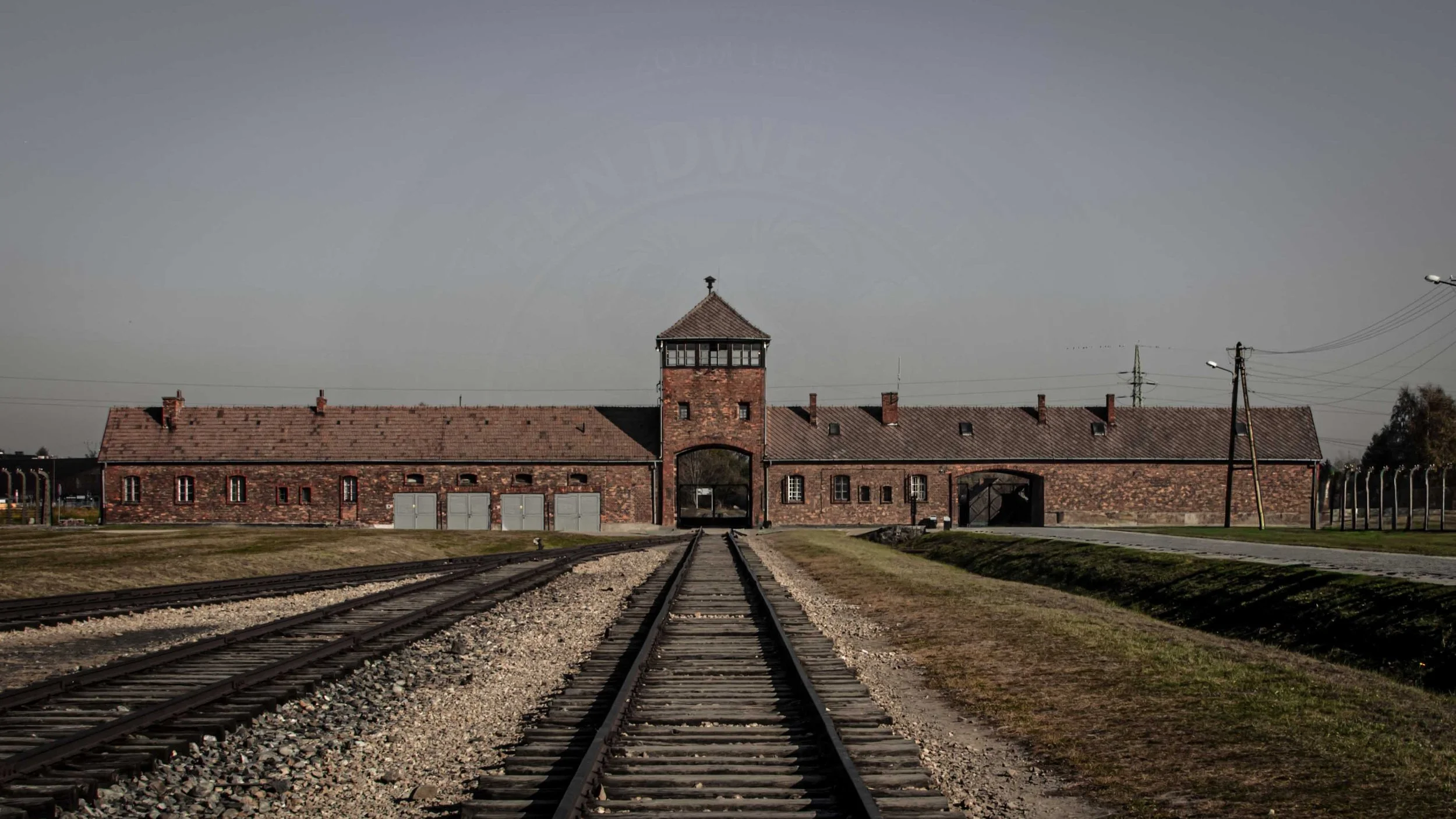
The railway tracks which led directly through the Death Gate into the camp for the arrival and selection of deportees at Auschwitz II-Birkenau.
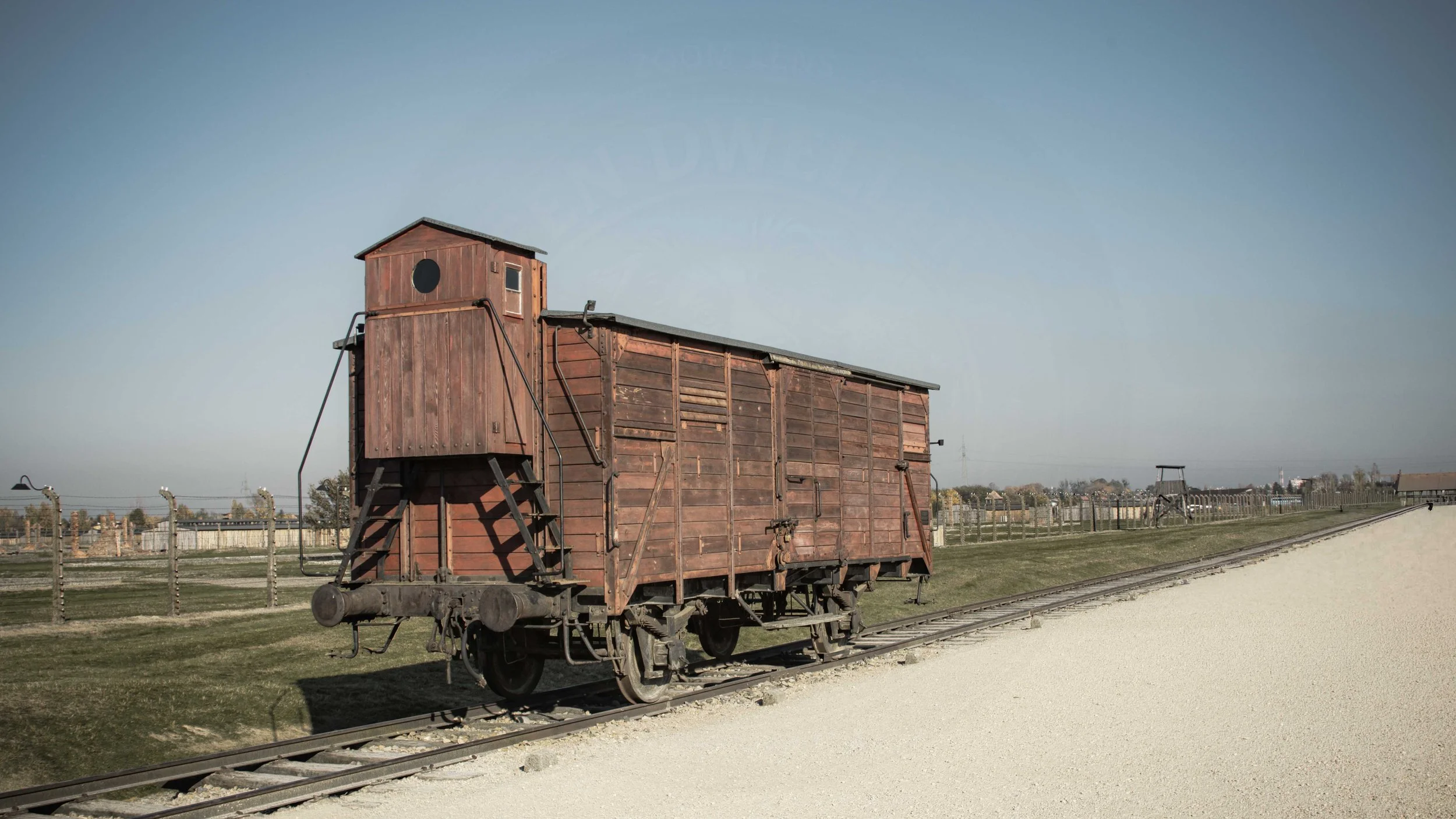
This single freight car stands on the ramp at the Auschwitz II-Birkenau site, where deported Jews were subjected to selections by German doctors starting in May 1944. The wagon is dedicated to the memory of some 420,000 Jews from Hungary who were deported to Auschwitz from May to July 1944. Auschwitz II-Birkenau
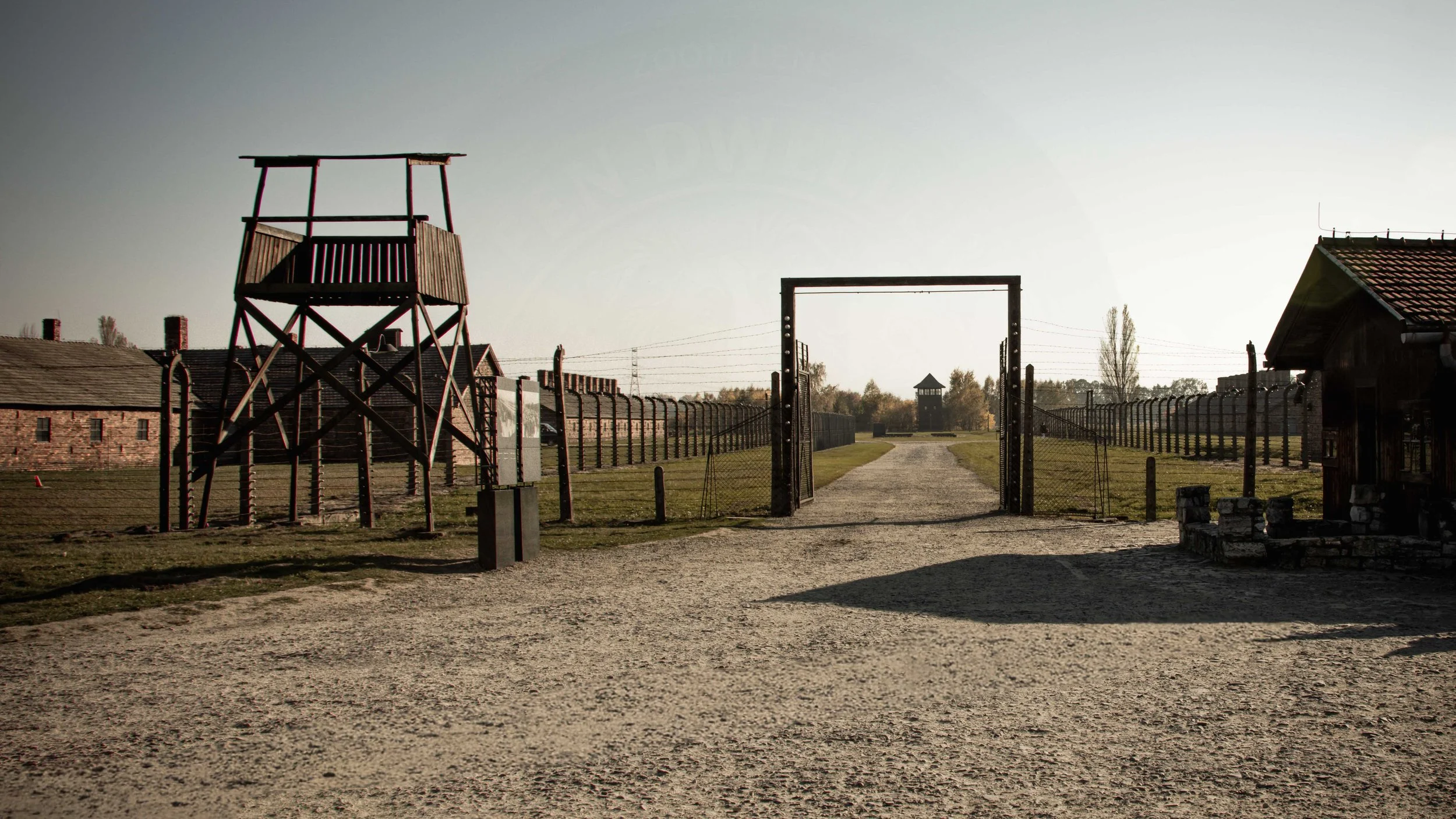
Auschwitz II-Birkenau
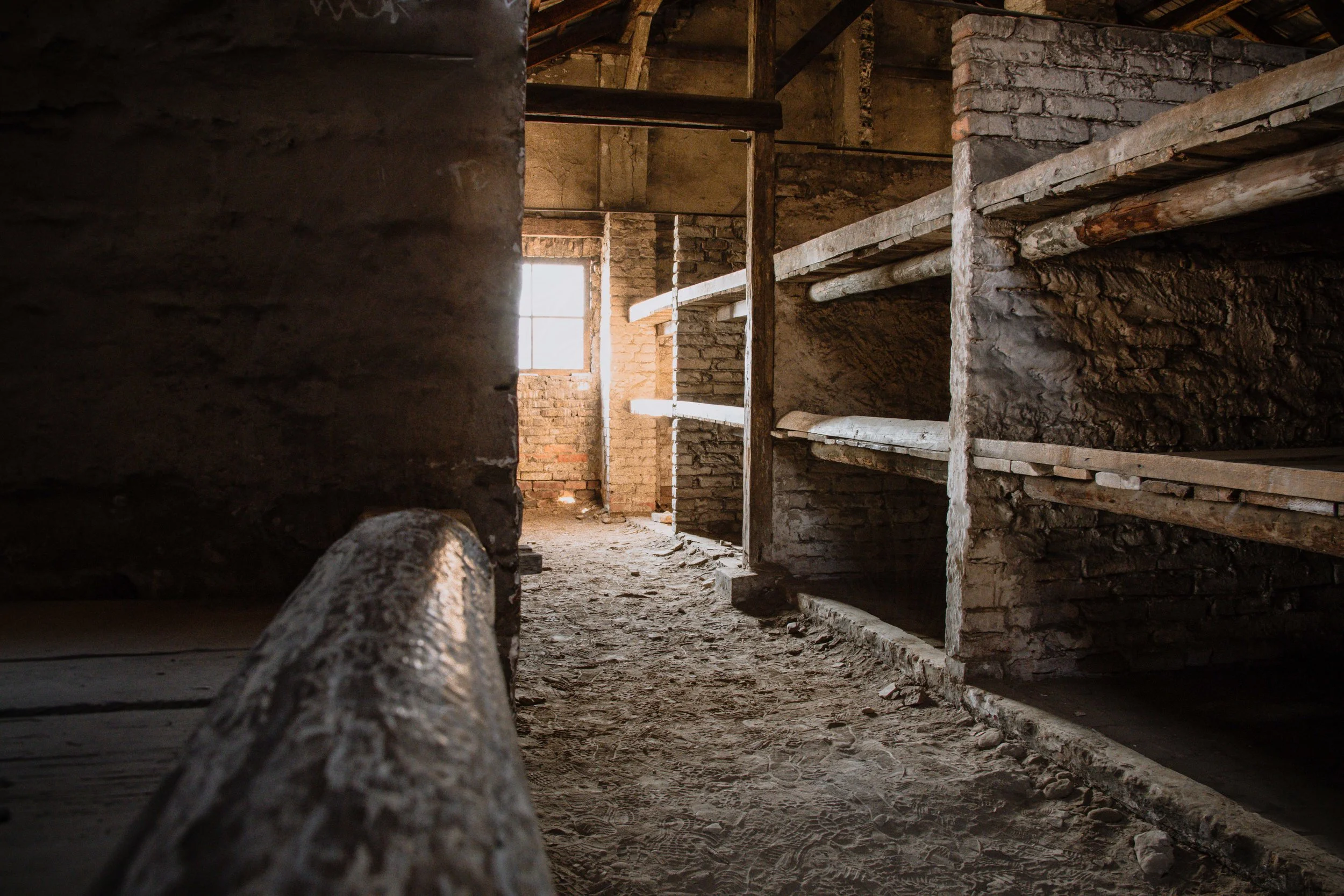
Housing blocks at Auschwitz II-Birkenau. Although built to hold over 700 people, actual numbers often exceeded 1,000 per block. Between 4 and 7 prisoners (and sometimes up to 15 per partition section) were forced to share a single bunk level spread with sparse straw or wood-wool mattresses.
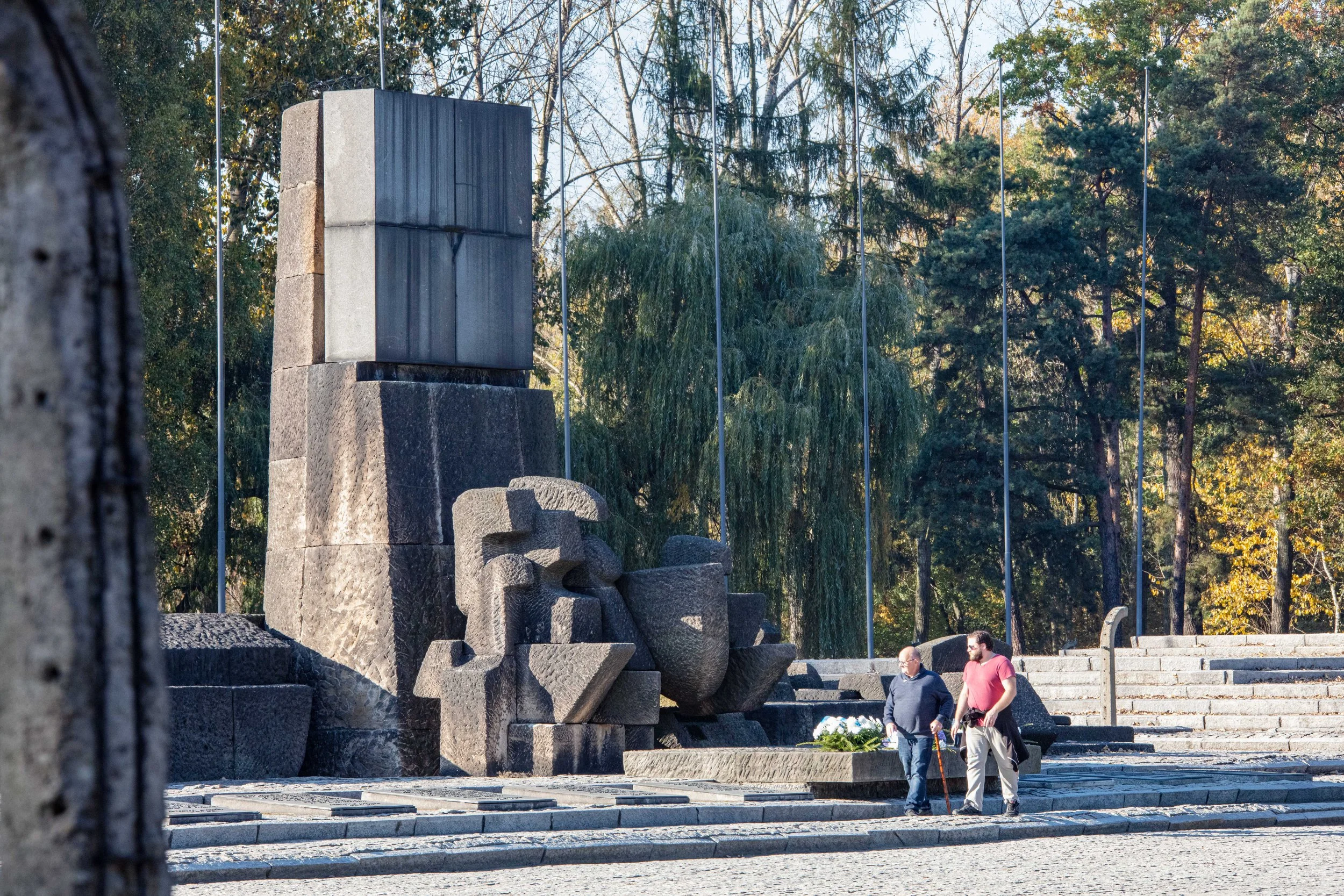
The international memorial and the railway unloading platform (the "Judenramp") stand between the ruins of Crematoria II and III as a central site of remembrance at Auschwitz II-Birkenau
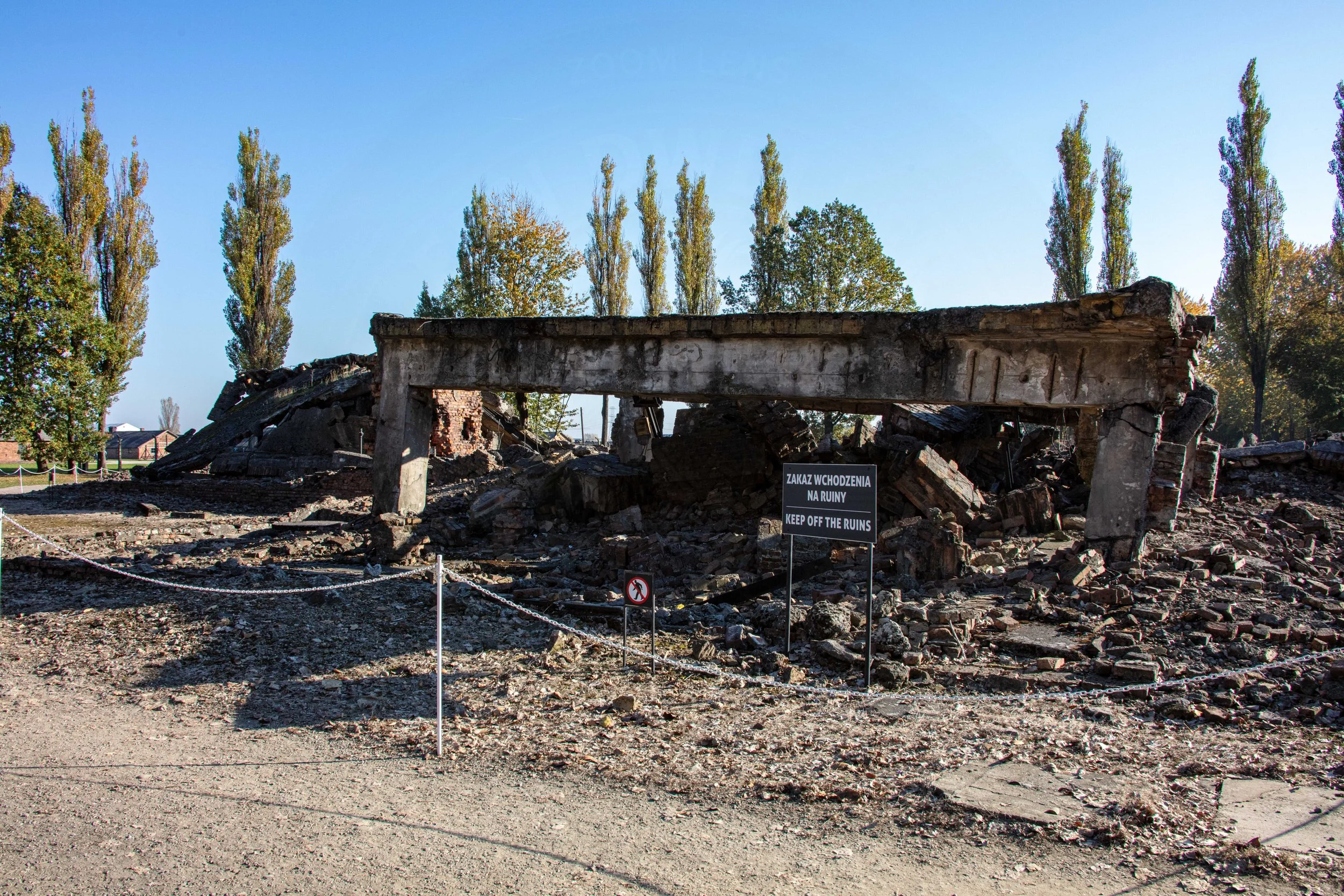
Ruins of the gas chambers at Auschwitz II-Birkenau. Crematoria II, III, IV, and V were constructed between 1943 and 1944, these large scale facilities combined underground or ground-level undressing rooms, gas chambers disguised as shower rooms, and industrial incineration ovens. In late 1944 and January 1945, as Soviet forces approached, the SS blew up and dismantled the gas chambers and crematoria to hide evidence of the mass murder.
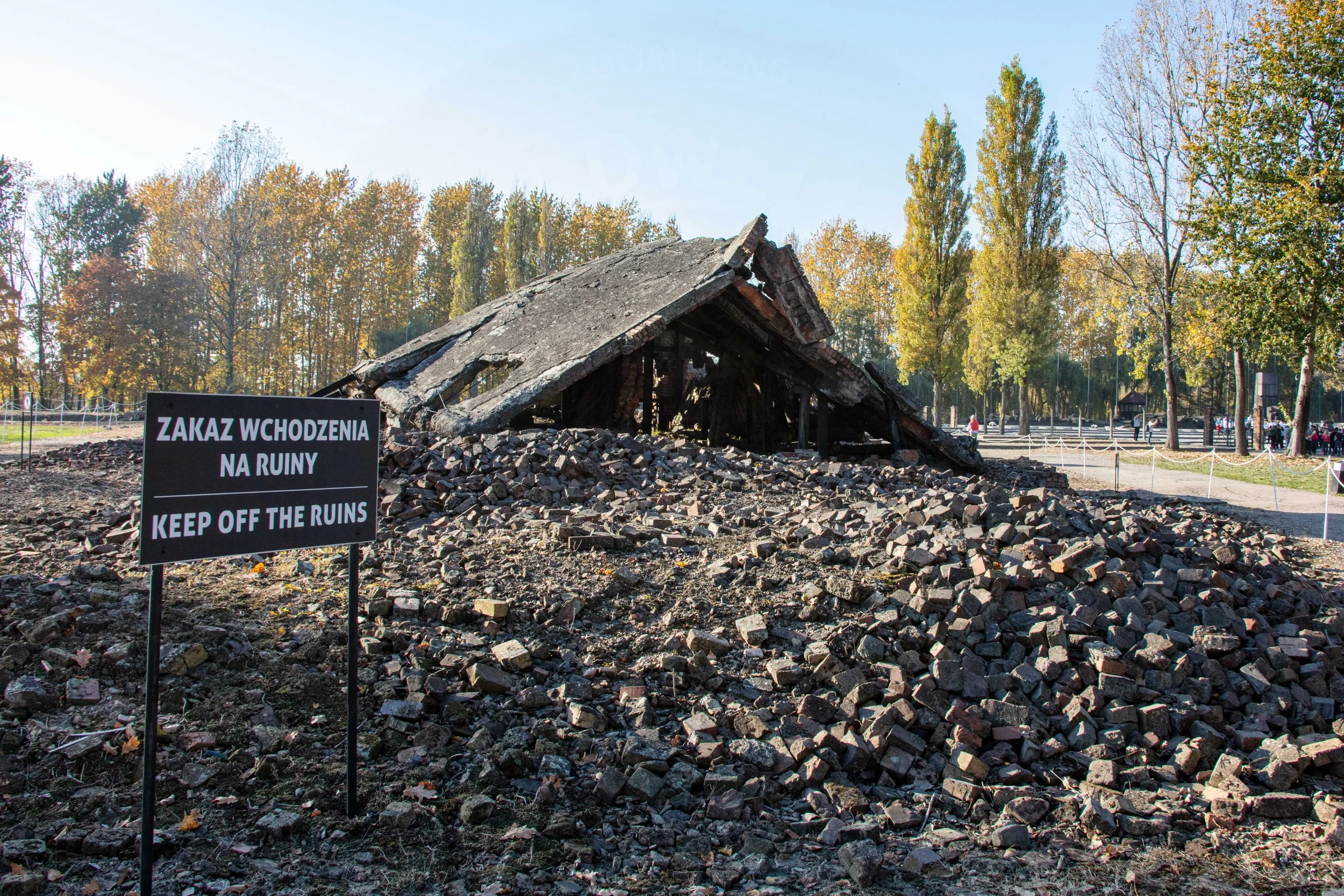
Ruins of the gas chambers at Auschwitz II-Birkenau
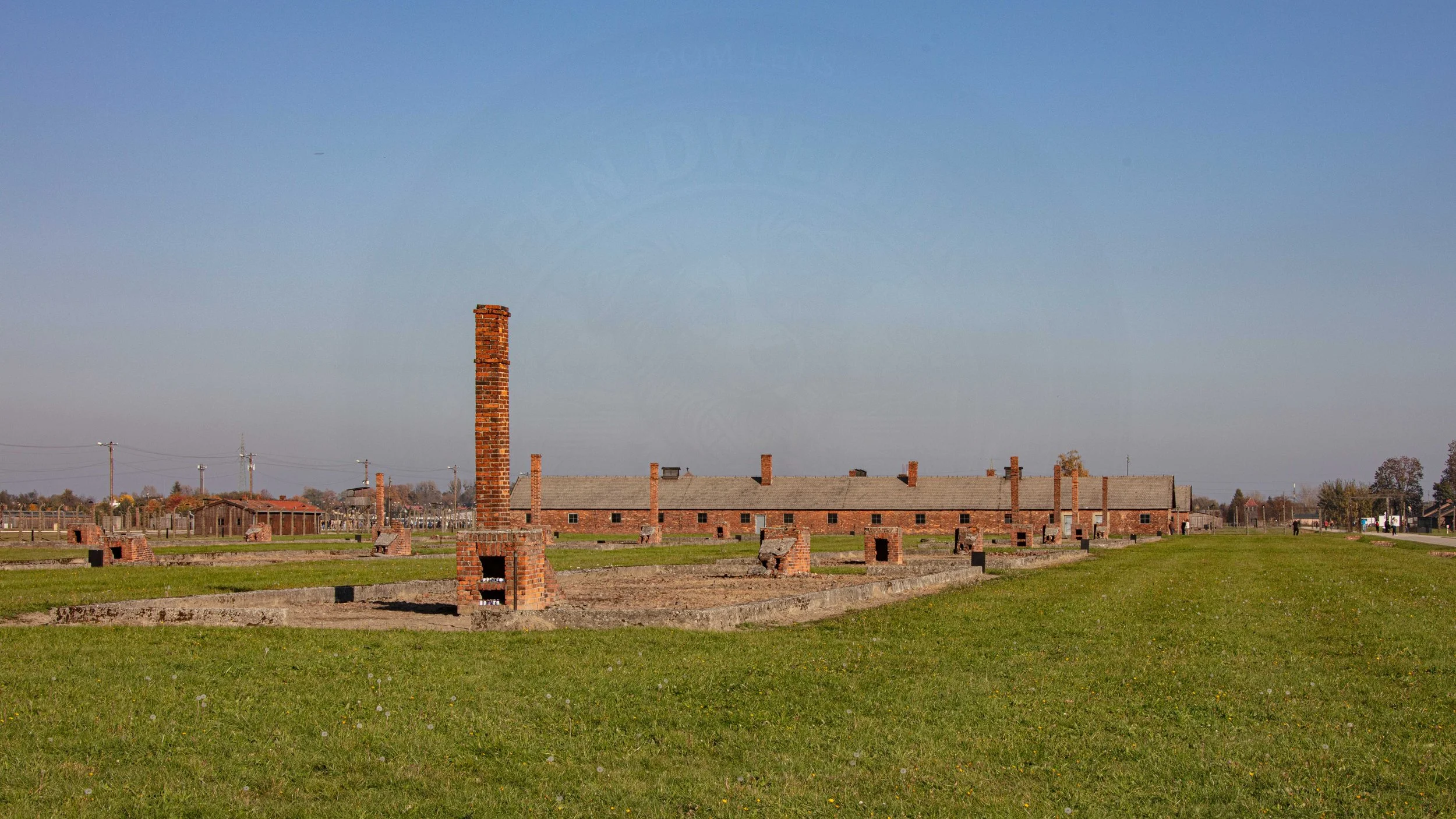
Auschwitz II-Birkenau
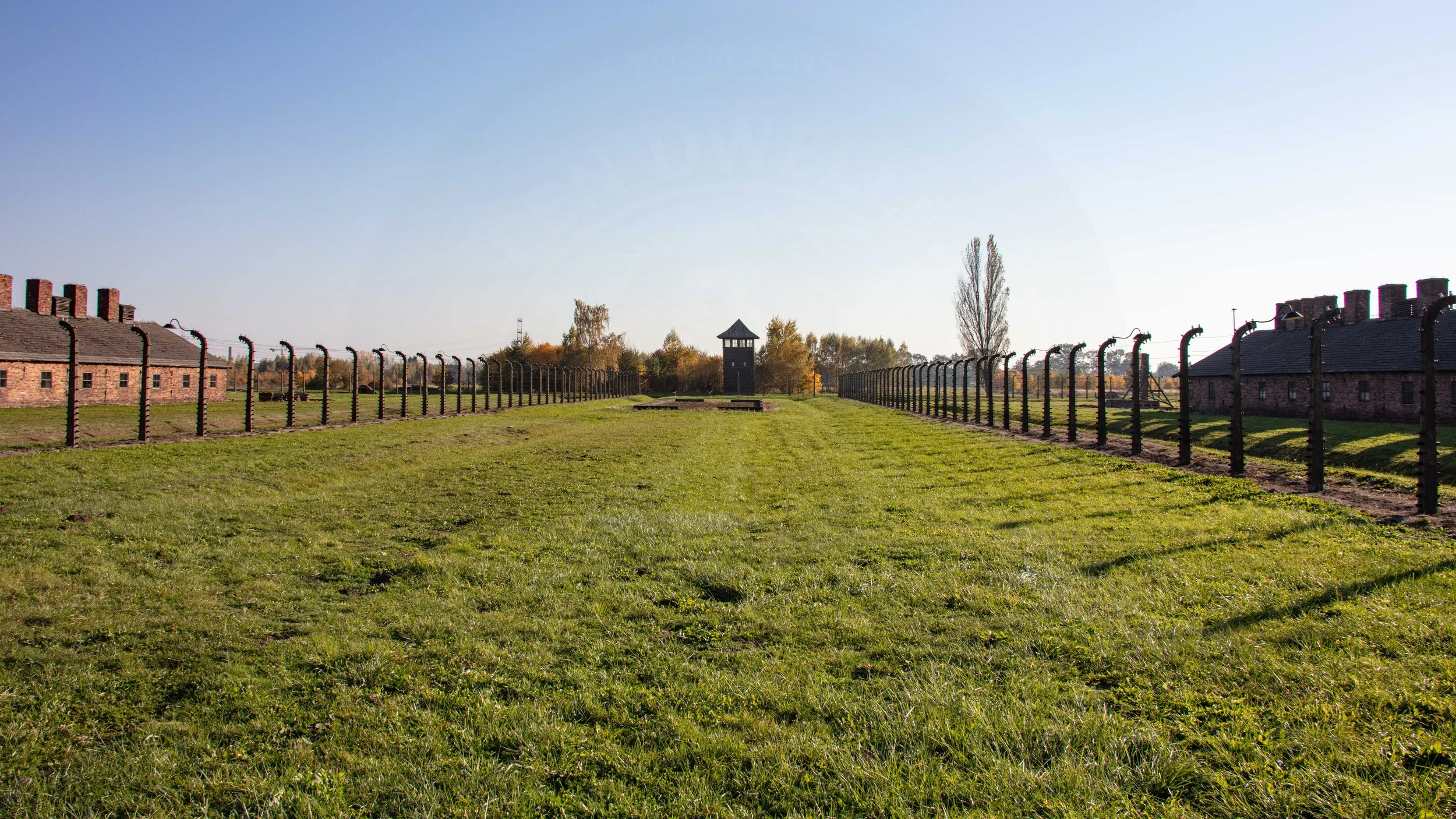
Auschwitz II-Birkenau
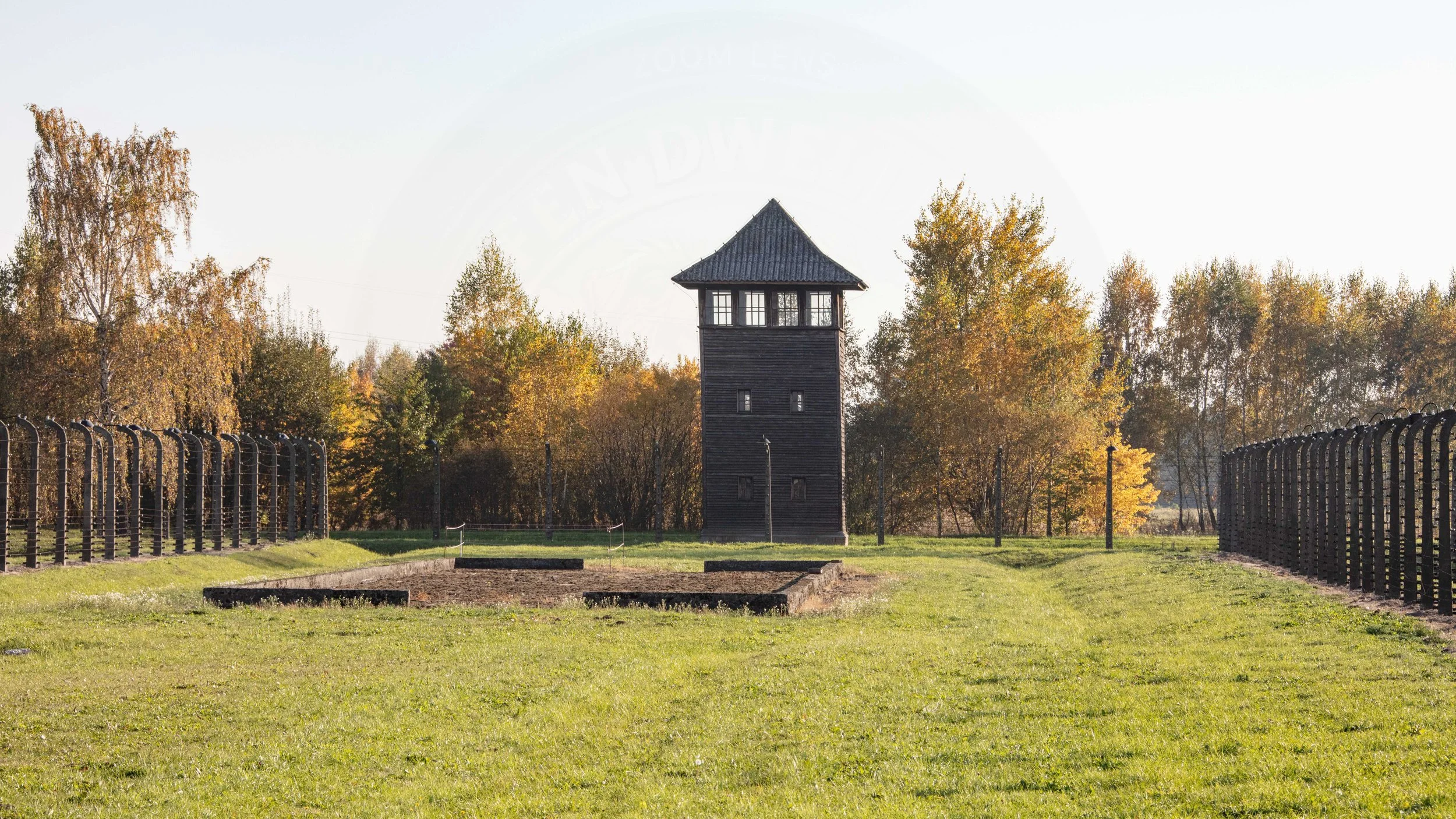
Look out tower at Auschwitz II-Birkenau
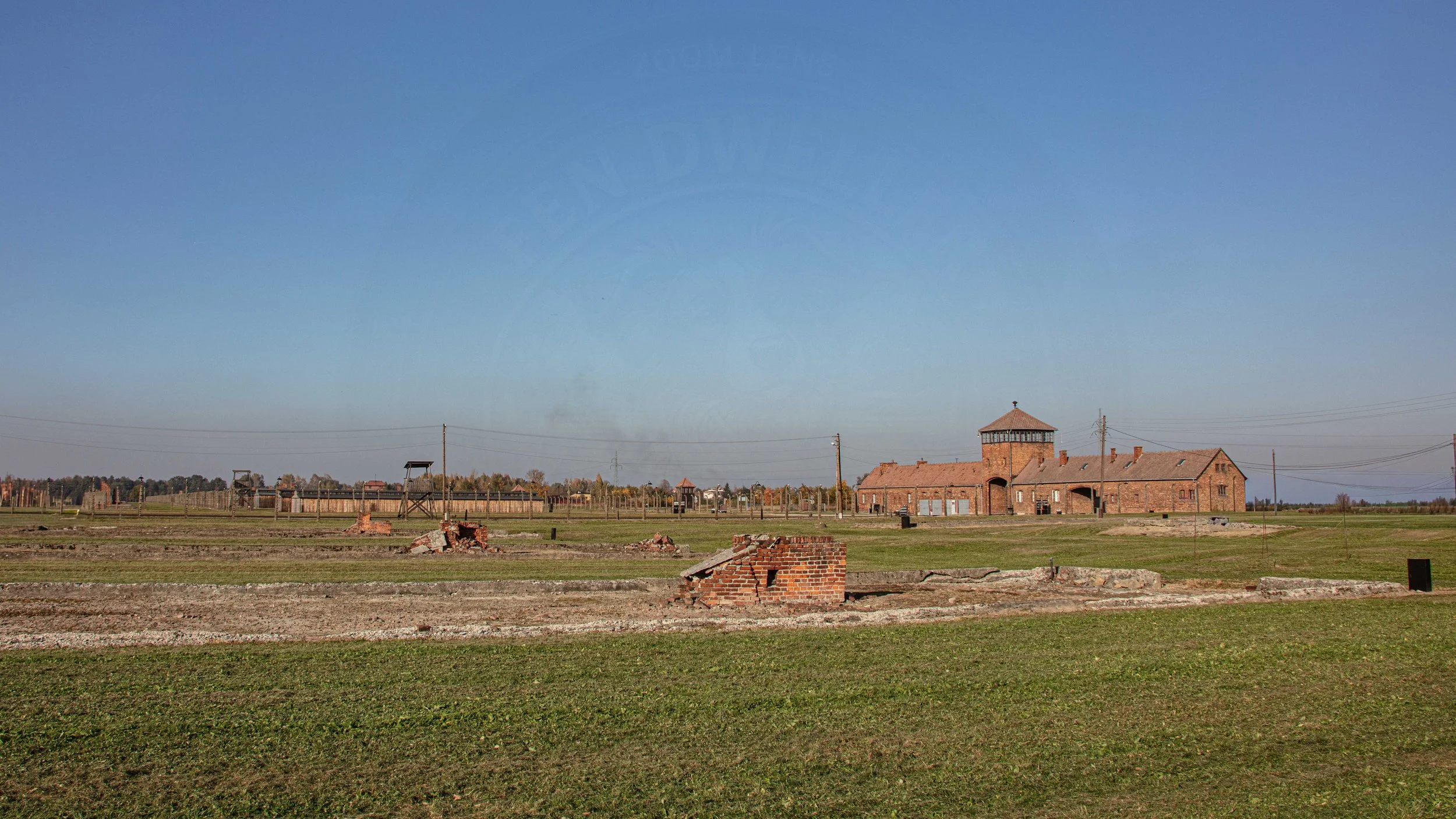
Auschwitz II-Birkenau
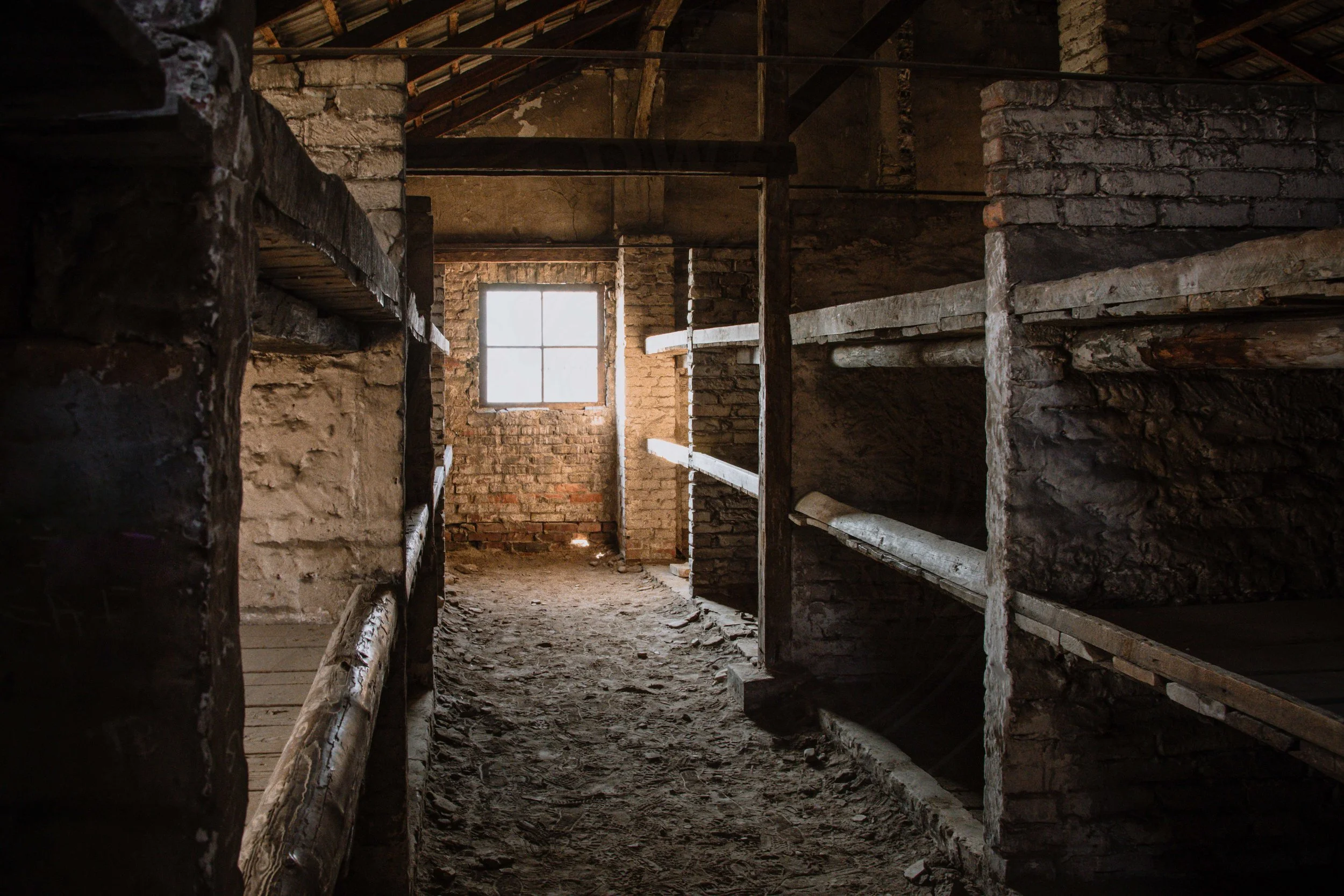
Housing blocks at Auschwitz II-Birkenau. Although built to hold over 700 people, actual numbers often exceeded 1,000 per block. Between 4 and 7 prisoners (and sometimes up to 15 per partition section) were forced to share a single bunk level spread with sparse straw or wood-wool mattresses.